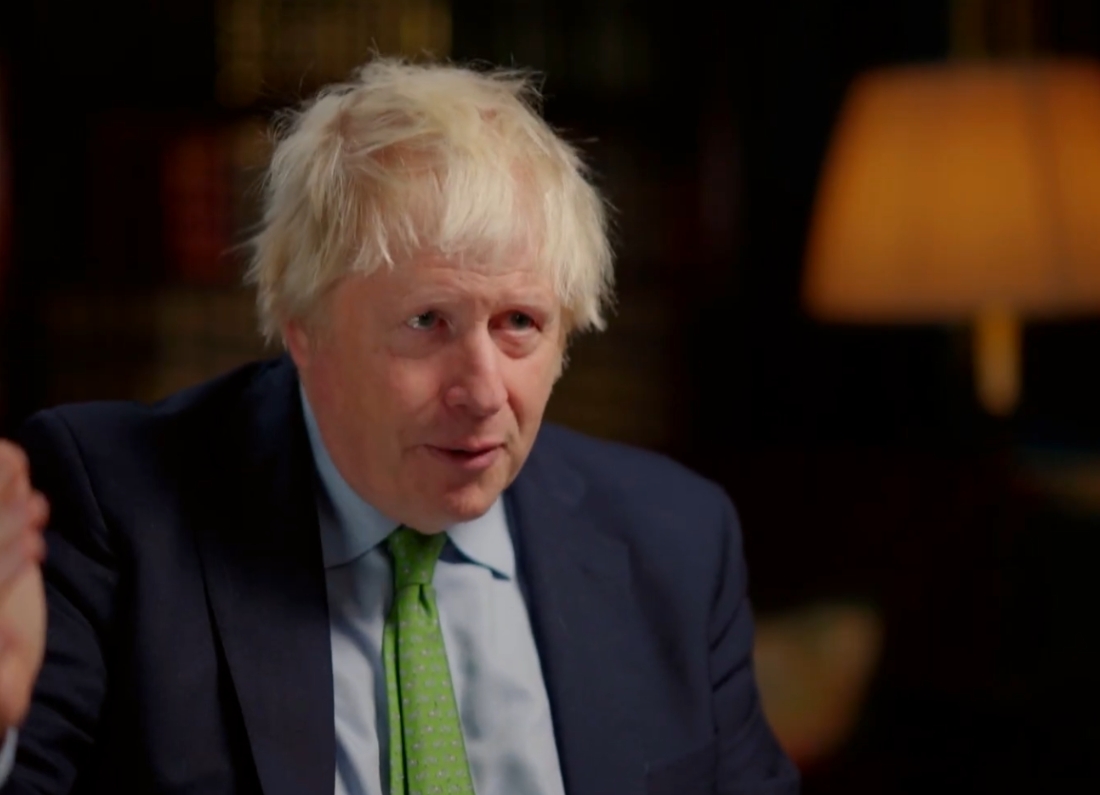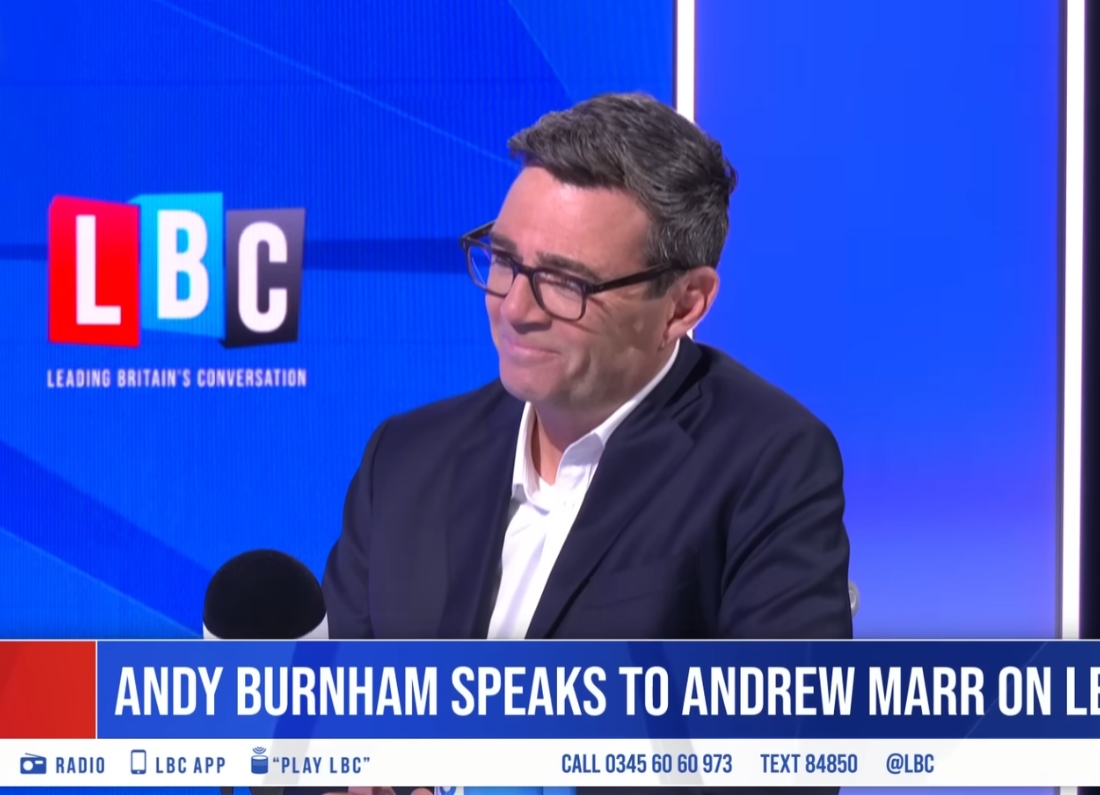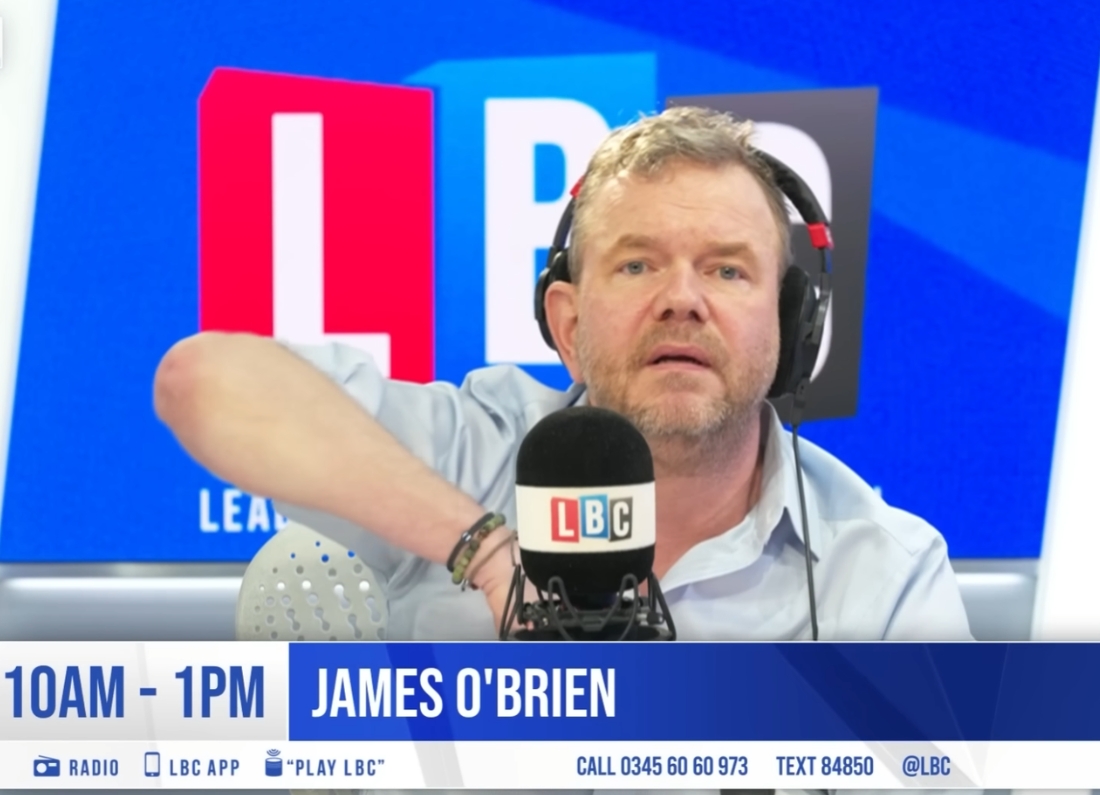
James O’Brien has called Tony Blair “disgusting” and his sweeping Labour Party essay “insane” and “absolutely bonkers” on LBC, pointing out that Larry Ellison – one of Donald Trump’s biggest billionaire backers – funds the Tony Blair Institute to the tune of hundreds of millions of dollars, and accusing Blair of having “gone over the edge” after joining Trump’s Board of Peace.
Blair’s 5,700-word essay, published on Wednesday through his think tank, attacked the Labour Party’s leadership contest, called for the abandonment of Net Zero in favour of cheaper energy, advocated supporting Trump even on the Iran war, and demanded what he called a “Radical Centre” approach to governing. As we reported in our full Blair essay piece, the intervention represents his first major public statement since Labour’s 2024 landslide and has divided opinion sharply across the party and beyond.
O’Brien is not divided.
What O’Brien said
Speaking on his LBC show on Wednesday, O’Brien acknowledged that Blair’s three consecutive general election victories make it almost impossible not to take his views seriously. But he said he could not tell listeners why they should care about this particular intervention.
“Because what he is saying, and I say this cautiously, is insane. What he’s saying is absolutely bonkers!”
He focused specifically on the ideological content of Blair’s programme. “What he’s saying could have been written verbatim by one of Donald Trump’s billionaire backers.”
He then introduced a specific piece of context that the coverage of Blair’s essay had largely overlooked. One of Trump’s biggest financial backers – Oracle founder Larry Ellison – also funds the Tony Blair Institute, O’Brien noted, to the tune of hundreds of millions of dollars. The argument that Blair’s essay could have been written by a Trump billionaire backer carries a specific and documented resonance: one of Trump’s most prominent billionaire backers is funding the institution Blair used to publish it.
O’Brien had described much of the essay itself as “just a broad insistence that what he says matters because of who he is” – a critique of the argument from authority rather than the specific policy positions. But it was Blair’s relationship with Trump personally that produced his most direct language.
You can watch the longer version below:
The Board of Peace moment
“That was the moment where I experienced the dissimilar liberation of my relationship with Tony Blair,” O’Brien said of Blair joining Trump’s Advisory Board for Peace. “That was the moment where I felt, oh okay, you’ve gone over the edge, over the brink. You’ve joined Donald Trump’s Board of Peace, you’re disgusting.”
The “Board of Peace” O’Brien is referencing is the Trump administration’s advisory body on international conflict, which Blair joined despite his longstanding criticism of Trump’s approach to international relations. For a former prime minister whose government went to war in Iraq on a contested legal basis and whose foreign policy legacy remains deeply controversial, the choice to associate himself with Trump’s international peacemaking operations is the specific act that O’Brien says ended whatever residual respect he held for Blair.
Why the Ellison connection matters
The Larry Ellison funding line is not incidental. Blair’s essay argues, at length, that Labour must move away from being “soft left” and toward what he calls the Radical Centre – which in practice means retreating from Net Zero, cutting welfare, mixing public and private provision in the NHS, and being more supportive of the United States alliance even under Trump. These are positions that align closely with the worldview of the technology billionaire class that has funded both the Trump movement and, it turns out, the institution Blair used to publish his attack on Labour’s direction.
Whether the funding creates the policy alignment, or the policy alignment attracts the funding, is a question Blair’s essay does not address. But the specific fact – that the man O’Brien describes as one of Trump’s biggest billionaire backers is funding Blair’s think tank to the tune of hundreds of millions of dollars – is documented and public.
O’Brien’s framing is that Blair’s essay “could have been written verbatim” by such a figure. The actual funding relationship makes this somewhat stronger than a rhetorical observation.
The Labour context
Blair’s essay arrives at a moment when the Labour leadership contest is taking shape around a contest between the Burnham-style left-populist programme and the Streeting-style modernising approach, as we reported in our leadership race coverage. Blair’s intervention was explicitly designed to pull the debate in a third direction – toward the Radical Centre that he believes is the only path to a second term.
The specific problem with Blair’s argument, as we reported in our Blair essay piece, is that it comes from a man whose governing legacy includes the Iraq war and whose most recent public act before this essay was joining Trump’s Board of Peace. The YouGov data showing the British public most enthusiastic about the candidate furthest from Blair’s Radical Centre prescription – as we reported in our Burnham bounce piece – does not obviously support Blair’s contention that this is a vacant political space waiting to be occupied.
O’Brien’s “insane” verdict is the most colourful response to the essay. It is not the only one.