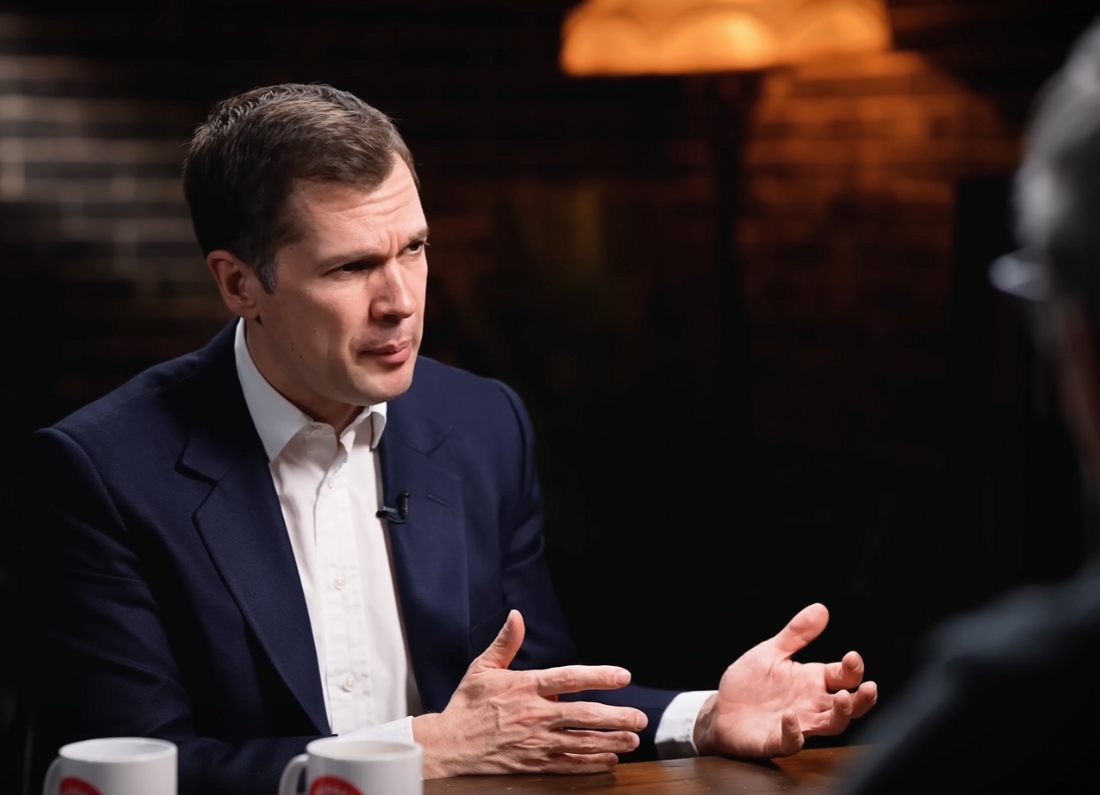
Zia Yusuf, Reform UK’s Shadow Home Secretary, has publicly called out his colleague Robert Jenrick for giving the wrong answer on immigration policy on Sky News – saying Jenrick’s response to a question about deporting foreign nationals in social housing was “not Reform policy” and correcting him in an X post. The public disagreement between two of the party’s most senior figures, which journalists have described as “open civil war” and a “complete meltdown,” comes with Makerfield 23 days away and Restore Britain applying pressure from the party’s right flank.
Jenrick and Yusuf have history. As we reported in our Reform internal dynamics coverage, the two men have an established record of tension predating Jenrick’s defection from the Conservatives – he was reportedly attempting to undermine Yusuf’s position within Reform in the months before he switched parties, which makes the public correction all the more pointed.
What happened on Sky News
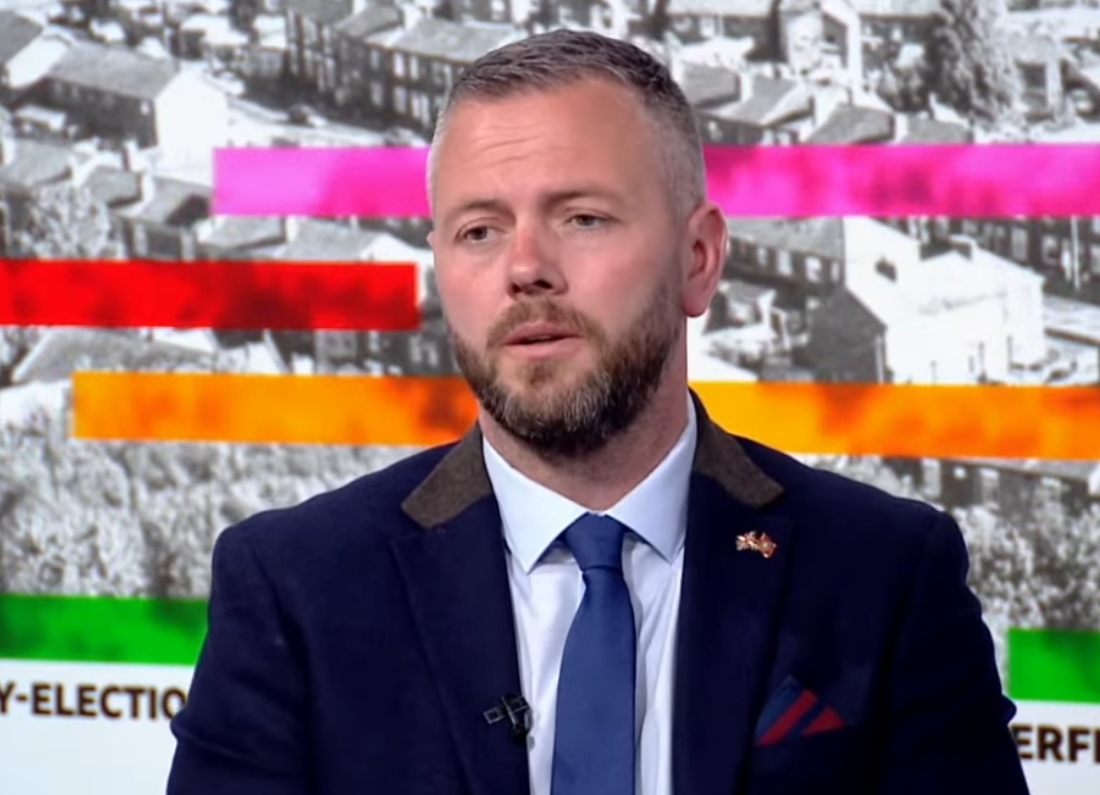
Jenrick appeared on Sky News with presenter Trevor Phillips and was asked whether he agreed with Restore Britain’s policy of deporting any foreign national legally living in the UK who is housed in social housing.
Jenrick’s answer described a criteria-based approach: under a Reform government, foreign nationals would need to meet certain conditions to remain – including being in employment or earning above a threshold. Those who failed these criteria would not be able to renew their work visas and would be asked to leave.
The answer was moderate by the standards of the immigration debate Reform operates within. A far-right account backing Restore Britain shared the clip and labelled Reform “weak sauce” – calling for the mass deportation of every foreign national in social housing, with no conditions attached.
That post caught Yusuf’s attention. Then he went on X.
Yusuf’s public correction
“As the person responsible for our deportation plan I want ensure people know where we stand,” Yusuf wrote. “If a foreign national lives in social housing at taxpayer expense, they automatically fail our economic test and will be deported.”
No conditions. No criteria. Automatic failure. Automatic deportation.
The specific gap between Jenrick’s answer and Yusuf’s correction is revealing about Reform’s internal positioning. Jenrick described a system where foreign nationals who are working and self-sufficient can remain; Yusuf – who as Shadow Home Secretary is specifically responsible for the party’s deportation policy – said social housing residency is itself the disqualifying criterion regardless of other circumstances. These are materially different policies from two people who are supposed to be representing the same manifesto.
Dan Hodges, the political journalist, described the exchange as Reform being in “open civil war” and “experiencing a complete nervous breakdown.”
HuffPost UK’s political editor Kevin Schofield said the party was “having a bit of a meltdown.”
Why Makerfield makes this worse
The timing of the public disagreement could not be more awkward for Reform. As we reported in our Makerfield byelection analysis, the byelection on 18 June is the most consequential contest Reform has entered since Farage won Clacton. Farage has vowed to throw “absolutely everything” at the seat to stop Burnham becoming an MP and entering the Labour leadership race.
The complication is Restore Britain – Rupert Lowe’s new party, which is now at 4% in YouGov polling as we reported in our latest YouGov breakdown. Restore has been backed by Elon Musk on X in Makerfield-related content, and far-right accounts have been positioning the party as the harder-edged alternative to what they are calling Reform’s “weak sauce” immigration positions.
The Telegraph has reported that pollsters believe a Restore candidate taking votes from Reform could torpedo Reform’s chances of beating Burnham. The specific mechanism: Restore draws the voters who think Jenrick is weak sauce, Reform keeps its more moderate coalition, and neither is enough to overcome Burnham’s personal vote.
Farage has already been complaining about Musk’s involvement – an irony given that Musk was one of his most prominent international backers until Musk turned on him and called him a liar earlier this month, as we reported in our Musk-Farage row piece.
The internal logic of Reform’s problem
The Yusuf-Jenrick spat illustrates a specific structural problem that Reform has been building since the local elections. As we reported in our 99 councillors tracker, approximately 99 Reform representatives have been kicked out, resigned or defected since the party began winning seats at scale.
The specific tension between Jenrick’s “criteria-based” approach and Yusuf’s “automatic deportation” framing reflects the same division that exists across the party between those who came from the Conservative tradition – where immigration policy, however hard-edged, operates within a framework of individual rights and legal process – and those from a more explicitly nativist tradition where the presence of foreign nationals in public housing is categorically unacceptable regardless of circumstances.
Both wings are Reform. Both are, at different moments, “Reform policy.” Until the party’s own Shadow Home Secretary had to correct the party’s most prominent defector on X because a far-right account called them “weak sauce.”
The Kirklees comparison
As we reported in our Kirklees council farce piece, Reform’s governance challenges are not limited to Westminster. In Kirklees, newly elected Reform councillors told the council chamber they didn’t understand what an amendment was and the vote to elect a council leader collapsed twice. At national level, the party’s Shadow Home Secretary and its most prominent recent defector are publicly disagreeing about what their flagship immigration policy actually is.
The party has eight MPs. It is polling at 25-29% nationally. It is fighting the most important byelection in a generation. And its Shadow Home Secretary just had to correct a colleague on Sky News via a public X post.