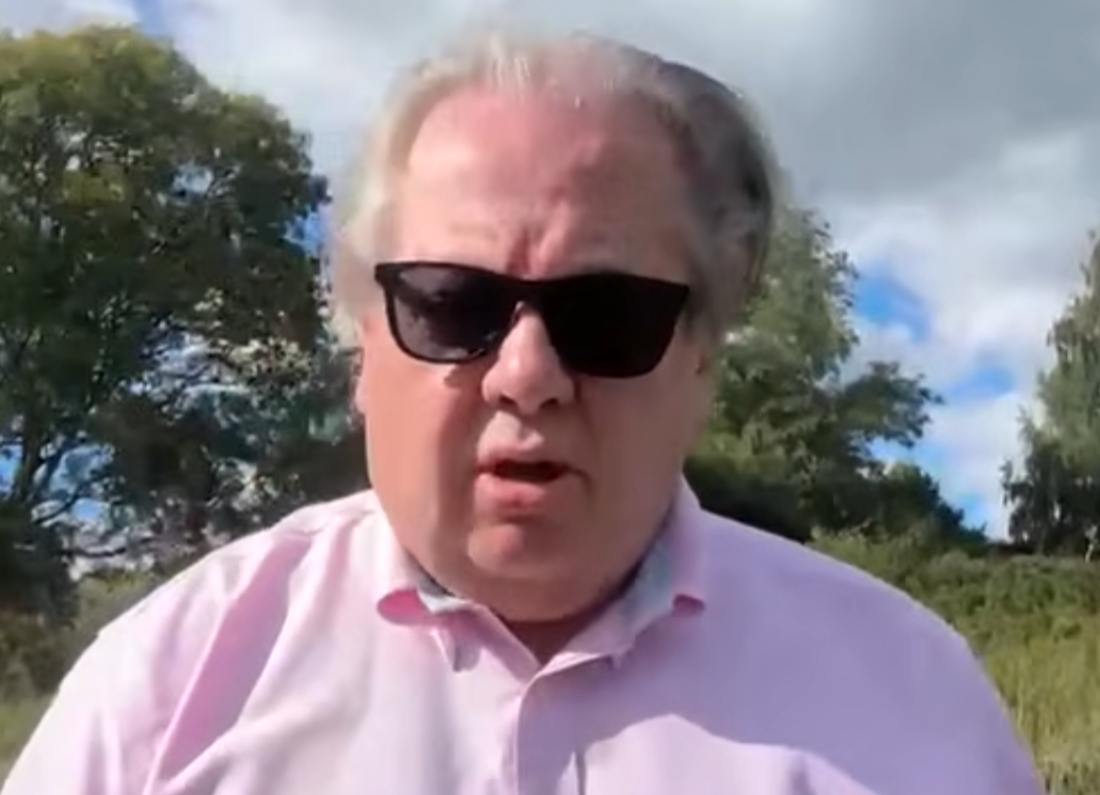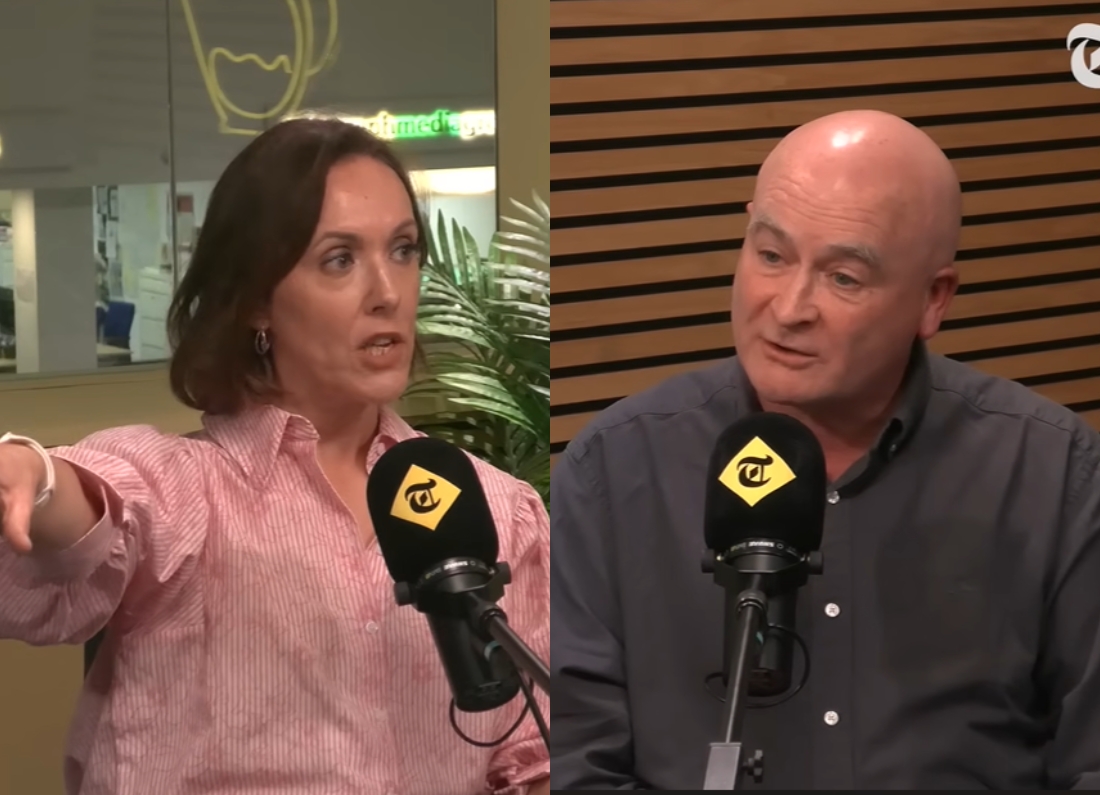
Former RMT union boss Mick Lynch has accused The Telegraph of “making space for racism” and “preparing to become fully signed-up affiliates of Reform” in an interview published by The Telegraph – predicting that the paper which has historically favoured the Conservative Party will formally endorse Nigel Farage at the next general election and saying that a Farage premiership would “put the UK into the dark ages.”
The specific setting of the intervention – Lynch making the accusation in the newspaper he is accusing – is the kind of thing that only works if you have either nothing to lose or an extremely clear picture of what you want to say. Lynch, who spent years driving trains through the media’s attempts to frame him as an inconvenient militant before becoming one of the most recognised faces of the cost of living crisis, has both.
What Lynch said
His words were direct. “I don’t trust Nigel Farage at all. He will unleash a torrent of racism and division which will put our society and our country into the dark ages if he achieves power. The Telegraph seems to be preparing itself to become a fully signed up affiliate of Reform, and all the racism and disunity it will cause.”
He continued: “What I see coming out of The Telegraph every day is making space for racism – and racism is in the eye of the beholder. You are on the way to aligning Reform, and my prediction is that The Telegraph will support Reform at the next election.”
Lynch has a specific track record for this kind of direct media critique. During the rail strikes of 2022-23 he became famous for conducting interviews with a composure that made interviewers who expected him to be rattled look increasingly uncertain. He does not soften his analysis for the outlet he is talking to.
The Telegraph’s political journey
The accusation has a specific historical context. The Telegraph has been the house paper of the Conservative Party for most of the past century. Its nickname – the Torygraph – reflects a political alignment that has been consistent enough to survive multiple changes of ownership and editorial direction. Senior Conservative MPs have long described it as the paper that shapes their grassroots members’ views more directly than any other.
That alignment has been complicated by the collapse of the Conservative Party as an electoral force. After losing 557 councillors at last month’s local elections as we reported in our full election results piece, the Conservatives are at 17-19% in national polling – lower in some surveys than Labour. The political home that The Telegraph’s readership has occupied for generations is shrinking. Reform, polling at 25-29%, is where the party’s traditional readership is increasingly migrating.
The paper’s specific decision to publish a major interview with Lynch in which he accuses it of Reform bias could be read multiple ways: editorial confidence that it can withstand the charge, a commitment to providing a platform for critics, or simply that Lynch gave them too good a copy to spike regardless of what he said about them.
The GB News and BBC dimension
Lynch’s comments about The Telegraph sit within a broader argument about Reform and media coverage that has been active for some time. GB News has attracted sustained criticism for the proximity of its editorial line to Reform’s agenda – a proximity that has generated formal complaints and regulatory scrutiny.
The Liberal Democrats launched a formal challenge against the BBC for allegedly giving Farage “preferential coverage” in its news broadcasts. As we reported in our Oakeshott hypocrisy piece, the asymmetry in press coverage of Farage’s financial questions compared to equivalent Labour figures has been documented and named publicly. The tabloids that covered Starmer’s glasses extensively have given minimal coverage to a formal Parliamentary Standards investigation into an undisclosed £5 million gift.
The media landscape Lynch is describing is one in which the replacement of Conservative supremacy by Reform supremacy is being facilitated rather than scrutinised. Whether The Telegraph specifically is making an editorial journey from Conservative alignment to Reform alignment is a question its coverage will answer over the next three years.
Lynch on Farage – and what the polling says
Lynch’s “dark ages” characterisation of a potential Farage premiership is his strongest language, and the one most likely to be disputed. It reflects a specific view about what Reform’s programme – abolishing the Equality Act, leaving the ECHR, ending overseas aid, removing welfare entitlements for foreign nationals – would mean in practice for communities affected by those decisions.
The More In Common hypothetical polling, as we reported in our Burnham bounce piece, suggests that Reform would lose a general election to Labour under Burnham. That data represents a significant constraint on the “Farage as inevitable PM” narrative that some coverage has been developing. At 25-29% nationally, Reform leads all other parties – but in a general election under first-past-the-post, leading all parties is not the same as winning a majority.
The specific question of whether The Telegraph’s coverage will shape or reflect its readership’s journey toward Reform – rather than the other way around – is one Lynch has answered with a prediction. He says they will endorse Farage. The next election will test whether he is right.