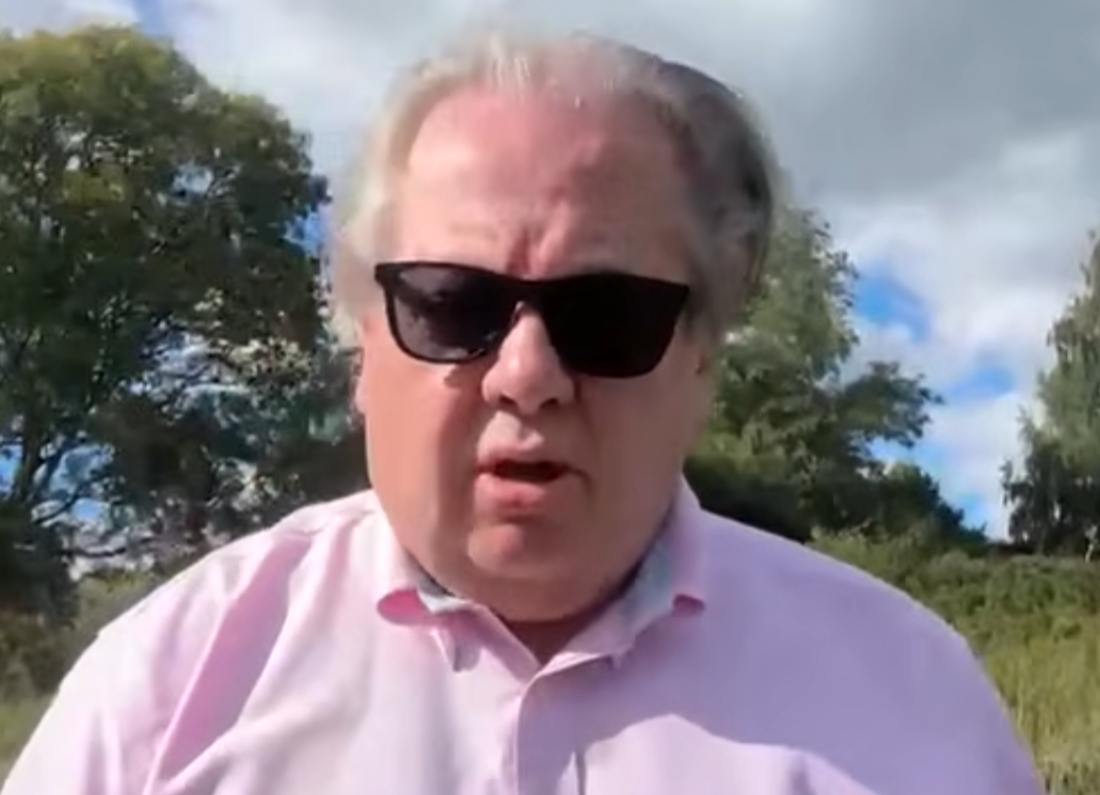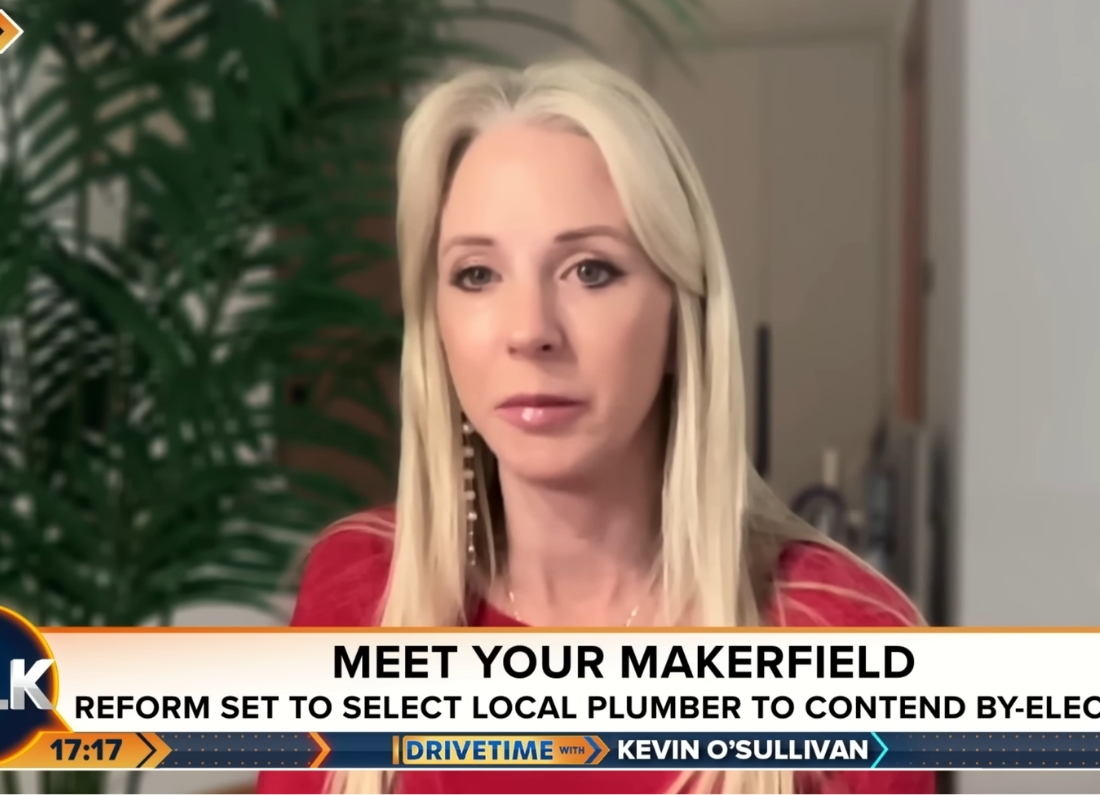
Isabel Oakeshott has declared that she does not see “why it’s anyone’s business how Nigel paid for a house” in response to questions about Nigel Farage’s purchase of a £1.4 million Surrey property in cash shortly after receiving an undisclosed £5 million gift from a Thailand-based crypto billionaire – a position that has been immediately and comprehensively undermined by her own words about Angela Rayner’s property purchase last year.
The contrast is not subtle. It is documented. It is specific. And it requires no interpretation.
What Oakeshott said this week
Speaking on Talk TV on Tuesday, as the Financial Times published its report challenging Farage’s claim that the property was purchased using his I’m A Celebrity fee – as we covered in our full FT accounts analysis – Oakeshott offered her assessment.
“I don’t see why it’s anyone’s business how Nigel paid for a house. Why should people know how he paid, what pot of money he used.”
What Oakeshott said last year – about Rayner
In 2025, Angela Rayner faced scrutiny over an allegation that she had failed to pay £40,000 in stamp duty on a second home. Rayner was subsequently cleared by HMRC – paying the sum she owed – as we reported in our Streeting resignation and Rayner HMRC clearance piece.
During that scrutiny, Oakeshott’s position was rather different.
“Let me just be very plain about this – I smell a massive rat with the purchase of this property and I don’t think it stops at the stamp duty wriggle. How on earth has she raised the money to buy a £800,000 apartment?”
The quotes sit side by side without any additional commentary required. Why it is anyone’s business how Nigel paid for a house: it isn’t. How on earth Angela Rayner could afford an £800,000 apartment: a very pressing question indeed.
The specific asymmetry
The material facts of the two situations, for the sake of direct comparison:
Angela Rayner: An allegation of failing to pay £40,000 in stamp duty on a second home. Fully investigated by HMRC. Cleared of wrongdoing. She paid the sum owed.
Nigel Farage: An undisclosed £5 million personal gift from a Thailand-based crypto billionaire, received weeks before he announced he would stand for parliament. Now under formal investigation by the Parliamentary Standards Commissioner – as we reported in our investigation confirmation piece. The Electoral Commission is considering a separate investigation. His spokesperson claimed the £1.4 million Surrey property was paid for with his I’m A Celebrity fee. His own company’s accounts then appeared to contradict that claim. Reform’s current position is that he has “multiple sources of income.”
Rayner has been cleared. Farage is under investigation. The person who demanded answers about one is defending the other’s right to privacy.
The pattern this week
Oakeshott’s position is one expression of a broader asymmetry in right-wing media coverage of the Farage gift story. As the source article notes, The Sun and Daily Mail have given minimal coverage to a story that would have dominated their front pages if it had involved a Labour politician. GB News – the channel that can be reasonably described as Reform’s house broadcaster – has been largely silent.
The comparison offered in the source material is apt: when Keir Starmer was gifted a pair of spectacles in 2024, it generated more tabloid coverage than Farage’s undisclosed £5 million from a Thailand-based crypto billionaire has received.
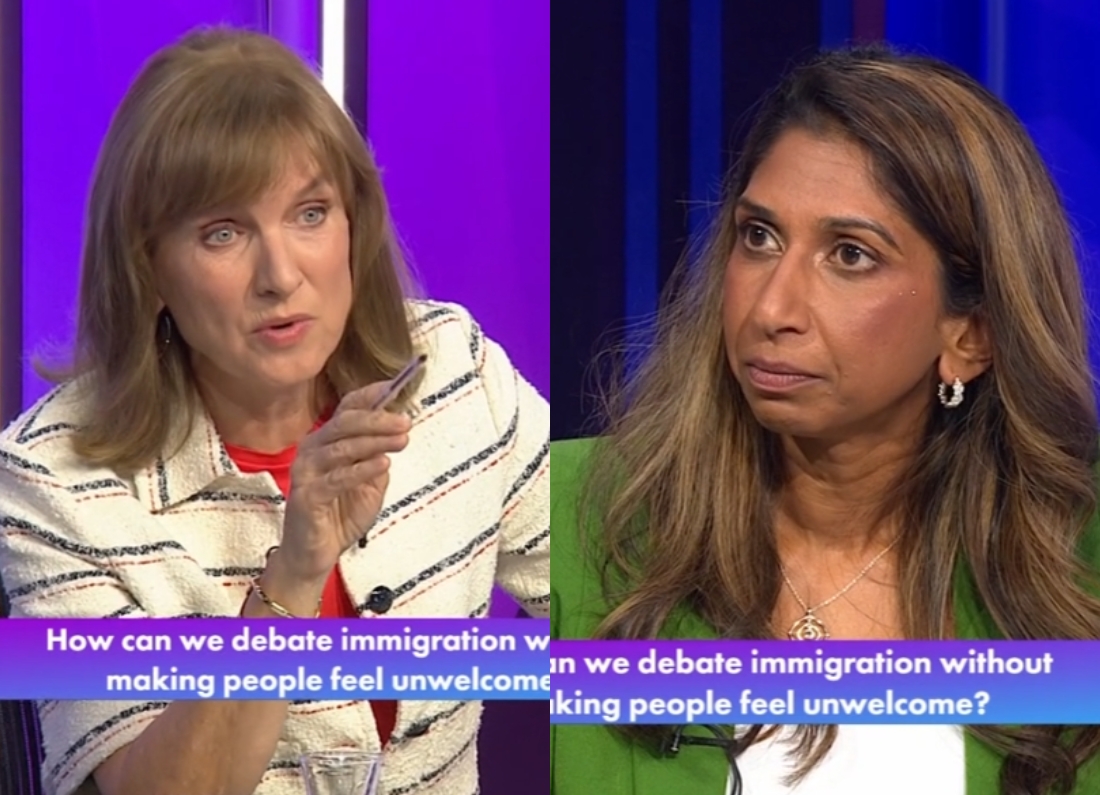
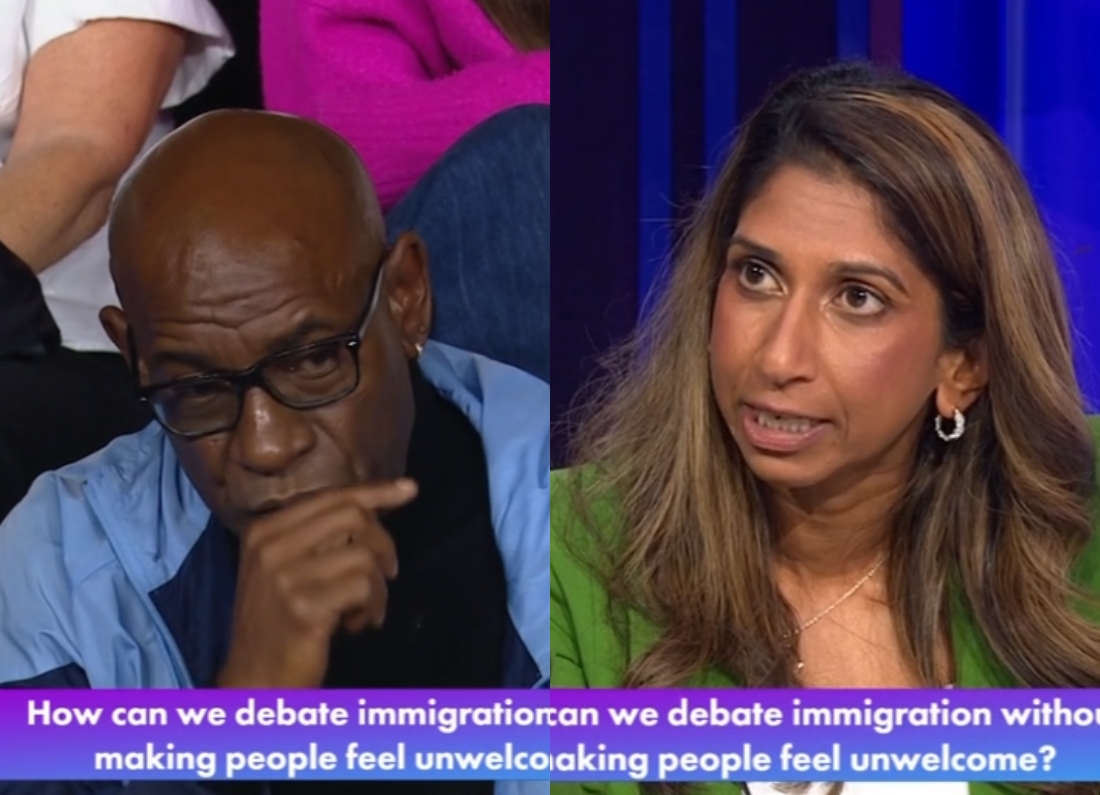
Piers Morgan named this specifically on Question Time two weeks ago, as we reported in our full piece on his intervention: “If we discovered last week that Keir Starmer had taken £5,000,000 without declaring it from a crypto billionaire in Thailand, Reform UK would have gone absolutely berserk. What you are saying is hypocrisy. Total hypocrisy.”
The Dubai dimension
Oakeshott’s defence of Farage is not the first time her commentary has attracted charges of double standards. As the source material notes, in March she was criticised for making arguments about free speech restrictions in the UK while herself residing in the United Arab Emirates – a country whose approach to free expression is considerably less permissive than Britain’s – on the programme she makes in Dubai.
The UAE has no free press. No opposition parties. No elections. Social media posts critical of the government are prosecuted. A journalist who made the same arguments about the UAE from inside the UAE that Oakeshott makes about the UK from inside the UAE would face consequences that a British commentator on Talk TV does not.
The specific pattern across these episodes is a consistent application of scrutiny and standards to political opponents while extending the benefit of the doubt to allies. This is not unique to Oakeshott. It is the operating principle of a significant portion of political commentary on both left and right. What makes it notable in this specific case is the directness of the comparison – the same presenter, on the same type of programme, asking the same type of question about two politicians’ property purchases and arriving at diametrically opposite conclusions about whether the public has a right to know.
Why this matters for the Farage investigation
The double standard in media coverage has a specific consequence for the formal investigations now underway. Public accountability for politicians depends not only on formal processes – standards commissioners, electoral commissions – but on the sustained attention of a free press that applies consistent standards regardless of party. When that consistency breaks down, the formal processes are left to do work that media scrutiny was designed to share.
The Parliamentary Standards Commissioner’s investigation into the undeclared £5 million gift is ongoing. The Electoral Commission is considering whether to investigate. Farage’s explanations have shifted from security payment to Brexit reward to I’m A Celebrity fee – with his own company accounts now appearing to contradict the most recent version, as we reported in our full FT story. The questions are real and they are unresolved.
Whether the audiences who watch GB News, read the Daily Mail or follow Oakeshott on Talk TV will ever hear those questions asked with the same energy that was applied to Rayner’s stamp duty is a different question – and one whose answer tells you something specific about the state of political accountability in Britain in 2026.