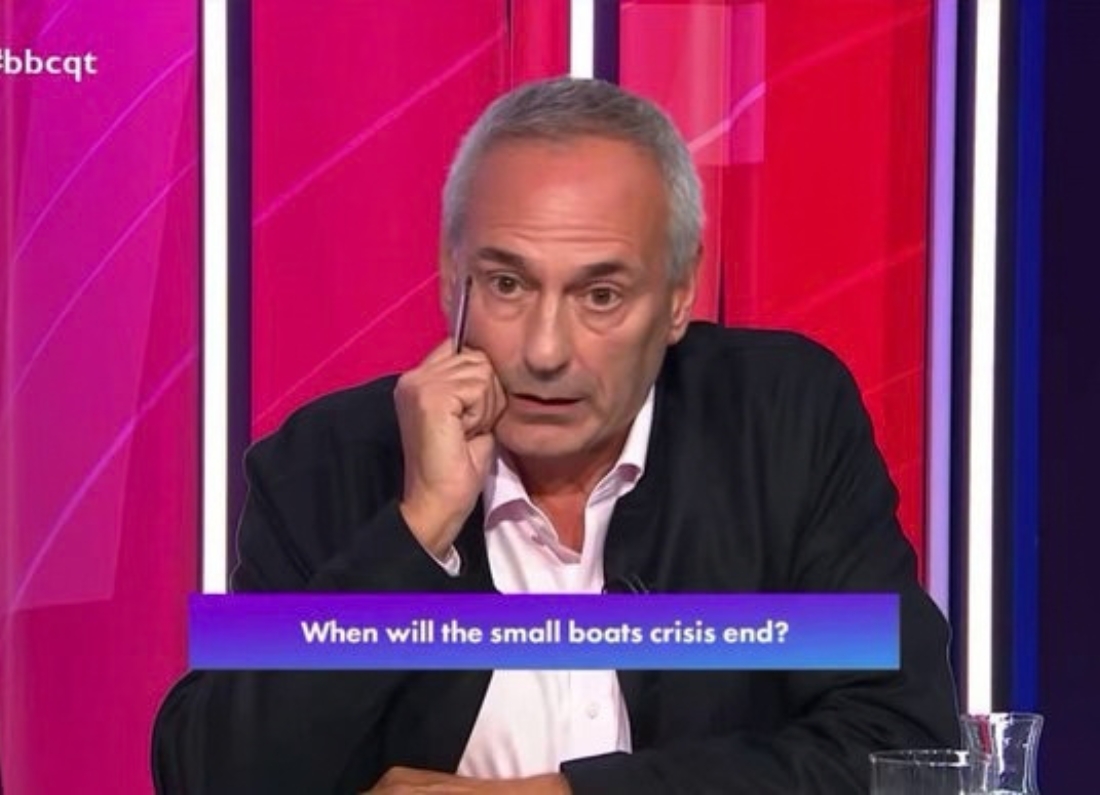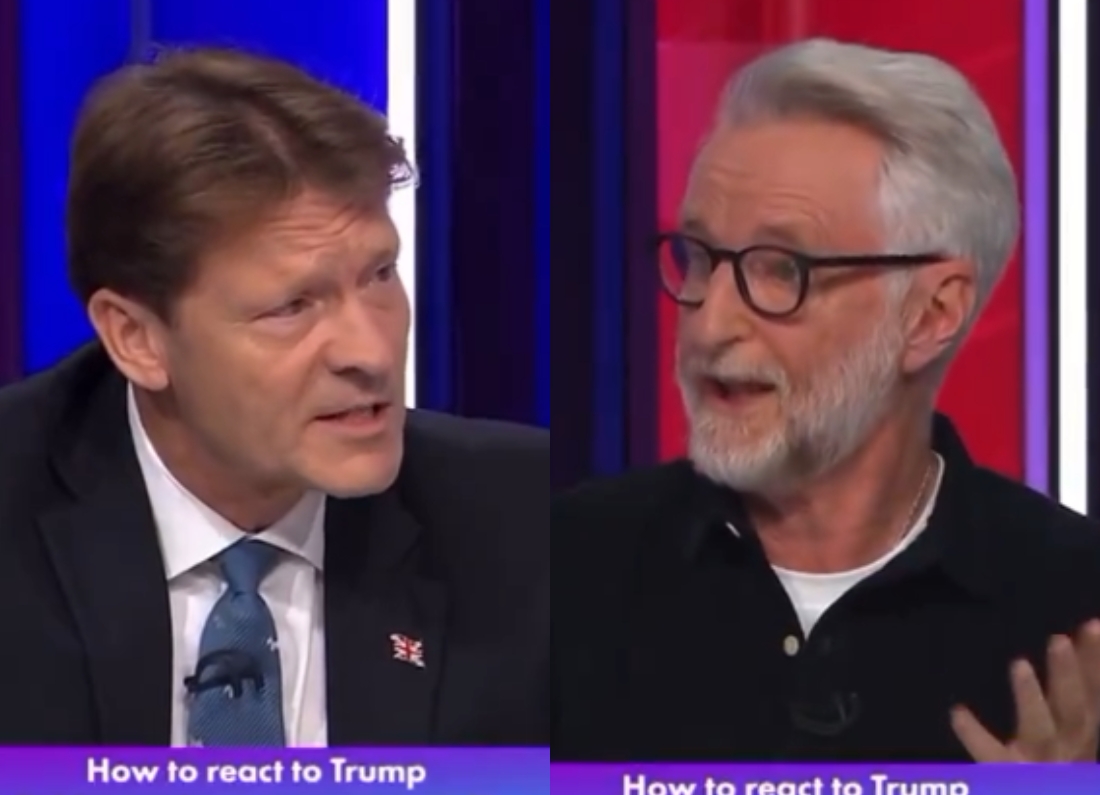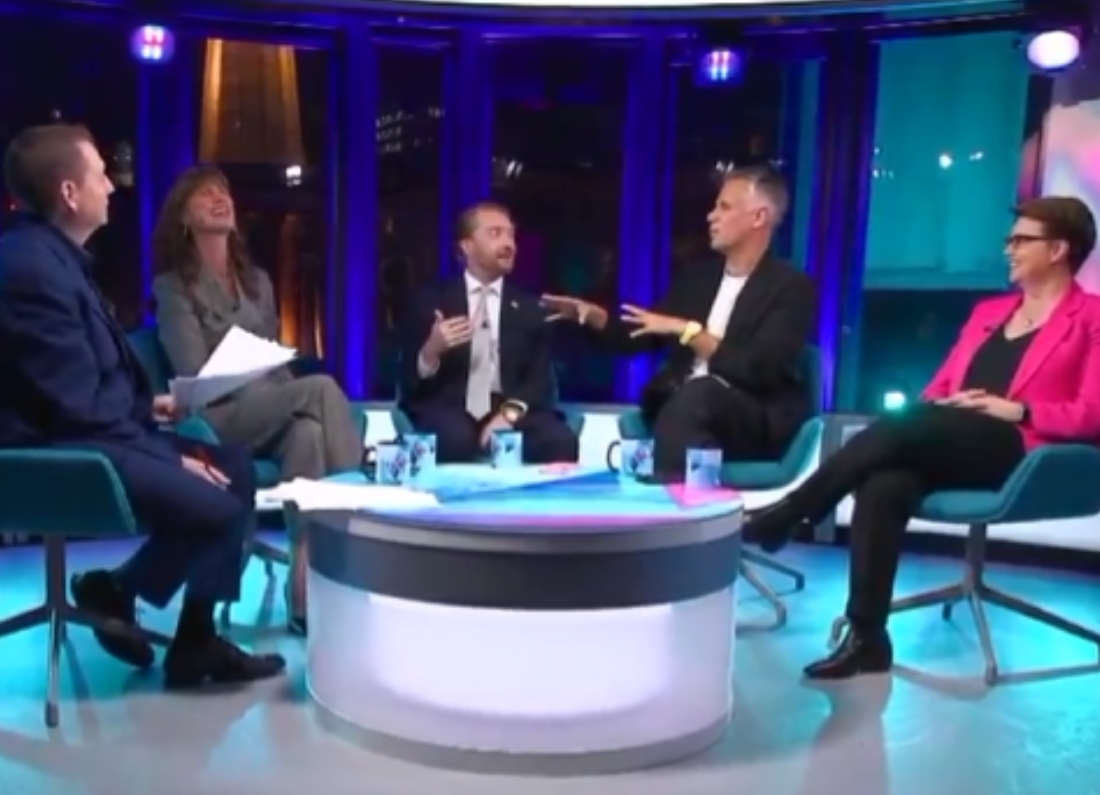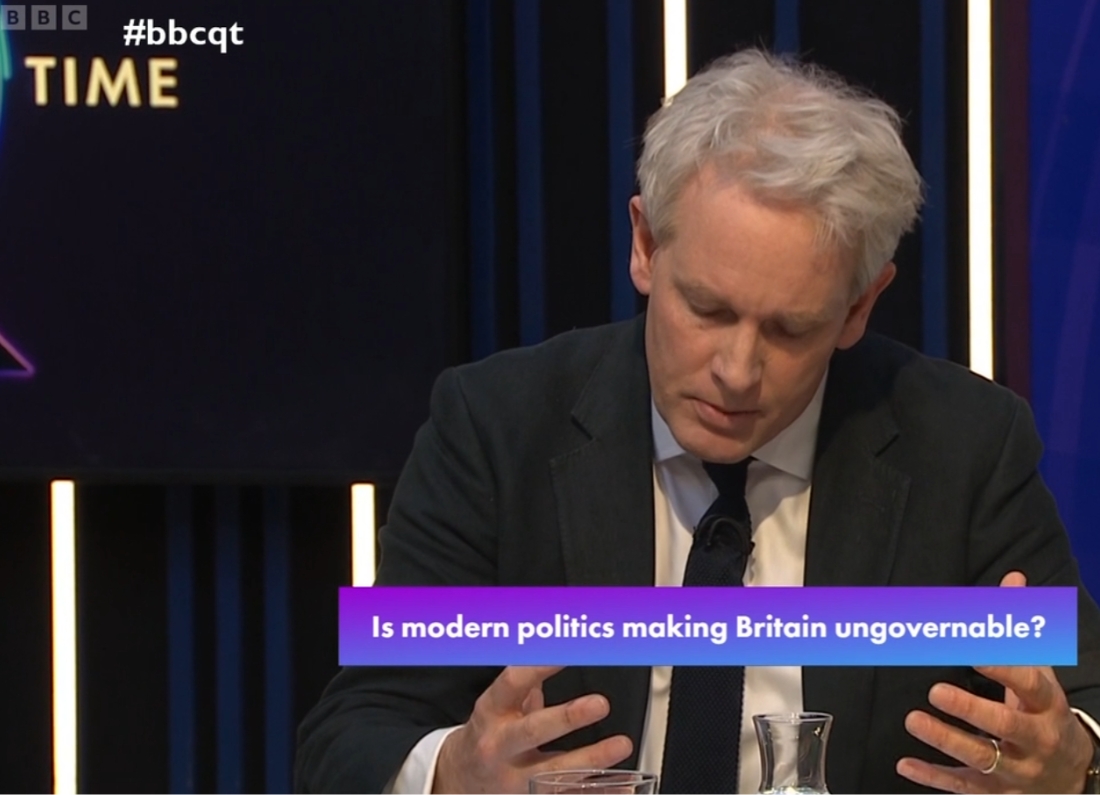
Danny Kruger, the East Wiltshire MP who defected from the Conservatives to Reform UK last September, endured a torrid Question Time appearance – first applauded into silence when an audience member branded Reform “a party of billionaires,” then laughed at by the same audience when he admitted he couldn’t explain how his party’s flagship welfare policy would save the £10 billion it claims.
The double encounter, hosted by Fiona Bruce, illustrated in miniature the accountability problem now confronting Reform as it transitions from insurgent opposition movement to party of local government and serious contender for national power.
‘A party of billionaires’
The first exchange came after Kruger had attacked both the Conservatives and Labour – a standard Reform framing positioning the party as the alternative to a failed establishment.
An audience member was unimpressed. He said: “Danny mentioned two parties – one of them for capital, one for labour. Your party is a party of billionaires, and that’s all you’re interested in – the rich people. Not the working man, and that’s it.”
The observation earned a large round of applause. Kruger looked on in silence.
The accusation carries specific and documentable weight. As we reported in our full profile of Christopher Harborne, the Thailand-based crypto billionaire has given Farage and his parties more than £22 million – the largest sustained donation programme in British political history. As we reported in our Musk and Farage lying row, a $100 million donation from the world’s richest man was discussed and almost materialised. Ben Delo – pardoned by Trump for financial crimes – gave £4 million. Farage’s own undisclosed £5 million personal gift from Harborne is currently under formal investigation by the Parliamentary Standards Commissioner, as we covered in our investigation confirmation piece.
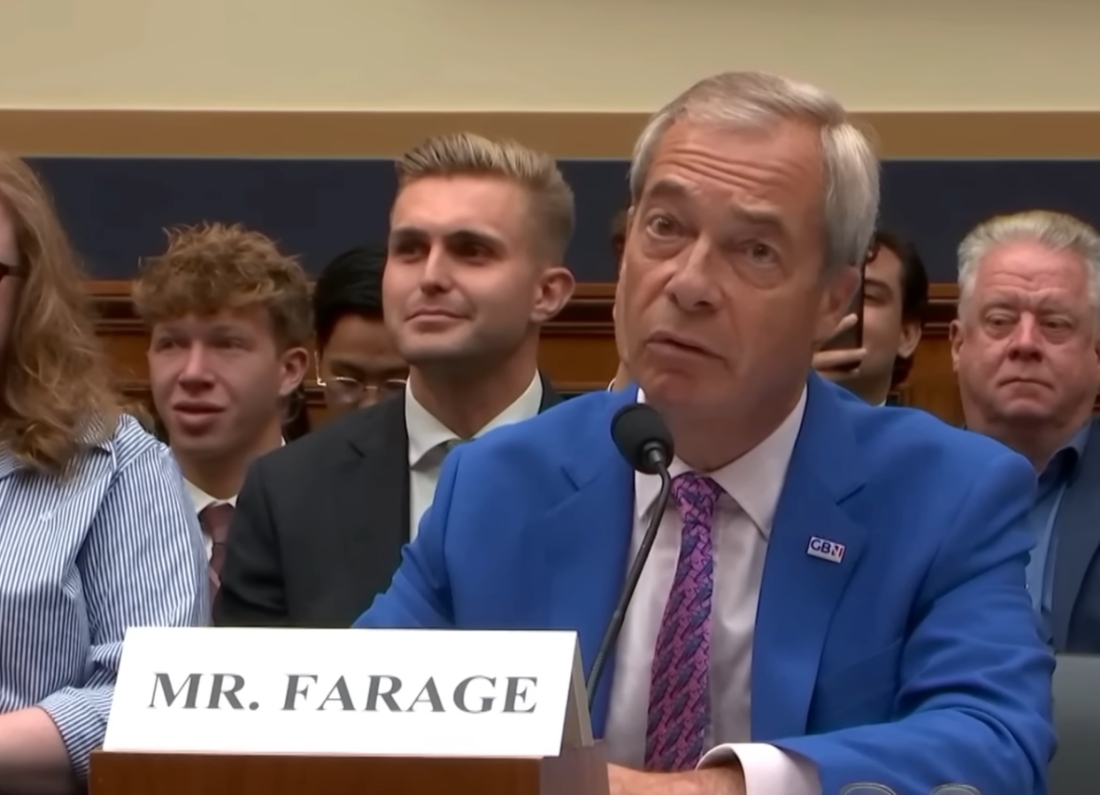
Farage himself gave the audience member additional ammunition in the days before the Question Time recording when he told The Sun the £5 million gift was “a reward” for campaigning for Brexit – a framing that differs significantly from his previous description of the money as a personal security payment.
The welfare policy question
The second exchange was, if anything, more damaging in terms of governing competence.
Bruce questioned Kruger on one of Reform’s most-cited welfare policies: the claim that cutting benefits for people with “mild anxiety” would save £10 billion from the welfare budget.
Bruce said: “Just coming back to the cuts in welfare, because I’ve heard Reform say this every time asked, ‘we’d get rid of benefits for people with mild anxiety’. What percentage of the welfare bill do those people make up?”
Kruger replied: “I don’t know what that number is, Fiona.”
The audience laughed.
Bruce pressed: “How can you possibly know it’s going to save you £10 billion?”
Kruger said: “Excuse me, I don’t know every fact and figure.”
Bruce: “You’ve just given us a fact which is £10 billion, but you have no idea how you’d get it.”
Kruger said he could “stand that up later if you like.”
The exchange is a specific problem for a party that is now governing hundreds of councils and is presenting itself as a government-in-waiting. As Piers Morgan said on Question Time the previous week – as we reported in our full piece on his intervention – “people aren’t voting for Reform’s plethora of beautifully thought-out policies. We don’t know most of them, apart from immigration.” Kruger’s admission that he didn’t know the basic numbers behind one of the policies Reform does regularly cite reinforces that observation precisely.
The billionaire problem
The audience member’s “party of billionaires” line connects to a broader argument that has been building against Reform throughout the Harborne investigation. As we reported in our piece on Piers Morgan’s Question Time intervention, Morgan’s central point was about hypocrisy: Reform has made the financial relationships between other parties and their donors a central part of its political pitch, while being significantly less transparent about its own.
The specific charge that Reform serves billionaire interests rather than working people is one that its own first year of council governance has not successfully rebutted. As we detailed in our analysis of Reform’s first year in local government, Reform councils have raised council tax, attempted to close care homes, scrapped climate targets and found nothing to cut through their DOGE efficiency reviews. The gap between “the party of the working man” and “the party that raised your council tax while a crypto billionaire gave your leader £5 million” is one that the Question Time audience member named in a single sentence.
Kruger’s silence as the audience applauded was the most telling moment of the exchange. He had no answer. The optics of a former Tory, elected as Reform MP, sitting in silence while an audience member lands a direct accusation about his party’s real interests is not the image Reform needed in the week when Farage’s financial arrangements were under two formal investigations and the Musk “Farage is lying” row was running simultaneously.
Who Danny Kruger is
Kruger is the MP for East Wiltshire who defected from the Conservative Party to Reform in September 2025. He was previously a Conservative MP who had served as Boris Johnson’s personal political secretary. His defection was part of a small but significant series of Conservative-to-Reform moves that have reconfigured the right of British politics.
His Question Time appearance was not his first encounter with public difficulties. He has previously been a lightning rod for criticism on social media over various statements, and his decision to defect to Reform placed him in the specific position of defending a party whose financial arrangements and governance record are increasingly subject to the kind of scrutiny that the Question Time double-whammy demonstrated.