

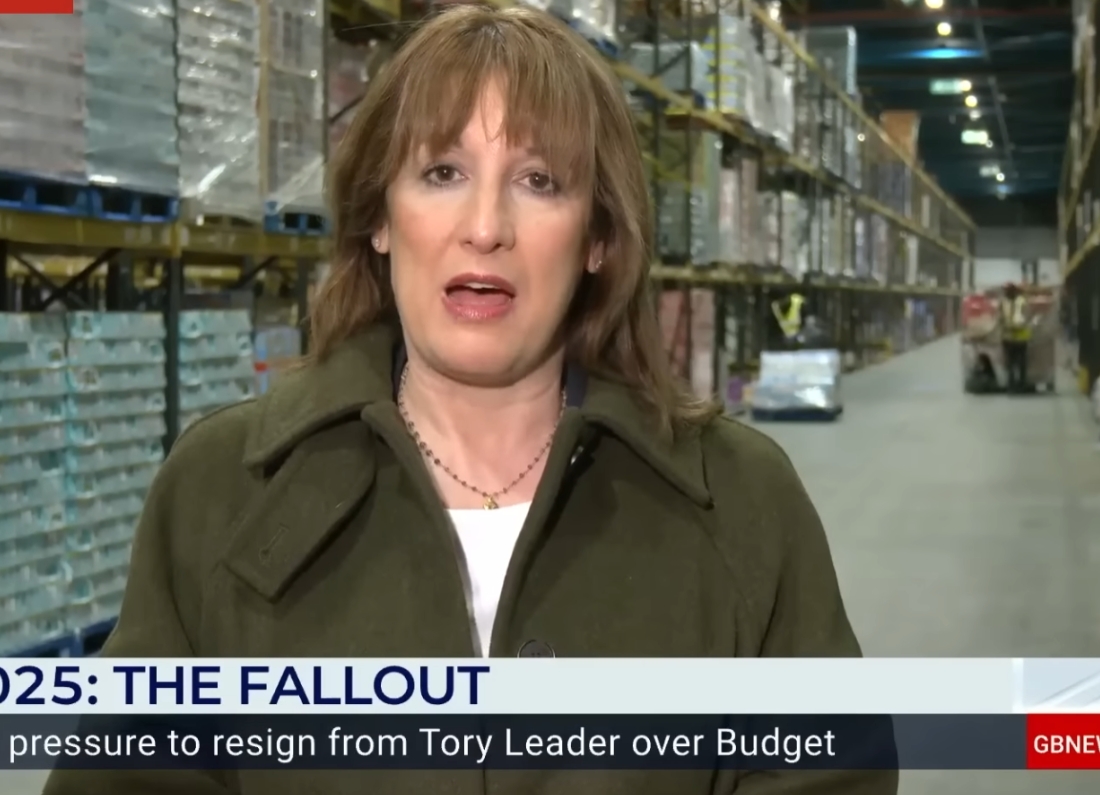
Rachel Reeves has openly backed new North Sea drilling at two major fields, telling the BBC that she would be “very happy” to see Rosebank and Jackdaw proceed – placing her in visible conflict with Energy Secretary Ed Miliband, who must now decide whether to grant the licences and has historically been deeply hostile to new fossil fuel extraction.
The Chancellor’s intervention on the Jeremy Vine show on BBC Radio 2 represents the most significant public sign yet of tension within the Cabinet over energy policy, as the Iran war and surging oil and gas prices create intense political pressure on a government that came to power pledging to lead the transition away from fossil fuels.
Reeves was explicit about her position: “It would, of course, create jobs and tax revenue, and that is why we continue to support oil and gas for decades to come. We have now got the disruption in the Middle East and it’s hard to get the oil and gas out of the Strait of Hormuz, which is pushing up prices. It does show that we have got to take control of our own energy supplies here in Britain.”
What Rosebank and Jackdaw are
Rosebank, located off the coast of Shetland, is the UK’s largest remaining untapped oilfield, believed to contain up to 300 million barrels of oil. Jackdaw is a gas field off Aberdeen that Shell estimates could supply gas to roughly a million homes at peak production. Both projects were originally approved under the previous Conservative government – Jackdaw in 2022 and Rosebank in 2023 – and both were subsequently struck down by the courts.
The legal challenge that invalidated those approvals established that any environmental assessment of a new extraction project must consider the emissions generated by burning the fuels extracted, not just those produced during drilling. That ruling required both operators to submit fresh applications, and the government must now decide whether to grant new licences.
Shell has stated it has already spent more than £800 million on what it describes as a “nationally important” gas project at Jackdaw. Meanwhile, Equinor and its partner Ithaca Energy have committed more than £2.2 billion to the Rosebank development.
The cabinet fault line
Miliband has been one of the most vocal advocates within the Labour movement for rapid decarbonisation and has previously described the approval of Rosebank as an act of “climate vandalism.” His position has been supported by climate campaigners and a significant section of the Labour Party’s membership and backbenches – but it has come under growing pressure as energy prices have risen and the politics of energy security have shifted.
![Ed Miliband on Climate Change, Nigel Farage, and the future of Britain [YouTube]](https://thedailybritain.co.uk/wp-content/uploads/2026/04/edmilibandapril26-1024x740.jpg)
Reeves’s comments represent a clear effort to publicly reframe the debate and to pressure Miliband. She acknowledged directly that more North Sea production would not affect global oil and gas prices – “Even if we drilled every bit of oil and gas out of the North Sea, we wouldn’t be able to set the price of it and it’s the price that’s going up at the moment, it wouldn’t affect the price at the pumps” – but maintained the economic case for proceeding regardless.
She also pointed to Labour’s manifesto position as a mechanism for making the approvals consistent with the party’s previous commitments: “We said in our manifesto we would honour existing licences but the courts overturned the previous government’s decision.” That framing – treating the new applications as effectively a restoration of previously-granted licences rather than new exploration – is the legal and political argument the pro-drilling camp within government has been constructing for months.
Reeves is not a newcomer to this debate. Last year, speaking to business executives, she said she was “not a zealot of green energy” and described homegrown energy – including North Sea oil and gas – as a security as much as an economic priority, adding that “energy security is national security.”
Starmer’s position – and why it is becoming untenable
Prime Minister Keir Starmer has tried to position himself above the fray, insisting that the licensing decision is for Miliband to make as a “quasi-judicial” matter under the relevant legislation. Last week he deflected demands from Conservative leader Kemi Badenoch to personally intervene and approve Rosebank and Jackdaw, saying the decision legally rested with the Energy Secretary.
Badenoch accused him of “hiding behind” Miliband and suggested the Energy Secretary was effectively running the government, asking: “So will the Prime Minister approve the licences or is the Energy Secretary running the Government?”
That framing is becoming increasingly uncomfortable for Downing Street, particularly as cabinet ministers – not just backbenchers – are now publicly expressing views that diverge from Miliband’s. Reeves’s BBC interview makes it substantially harder to maintain the fiction that this is purely a technical regulatory matter rather than a live political argument within the government.
The SNP reversal and Scottish Labour pressure
The political pressure is not coming only from within the UK Cabinet. John Swinney, the Scottish First Minister, significantly shifted the SNP’s position this week, reversing his predecessors’ opposition to North Sea drilling.
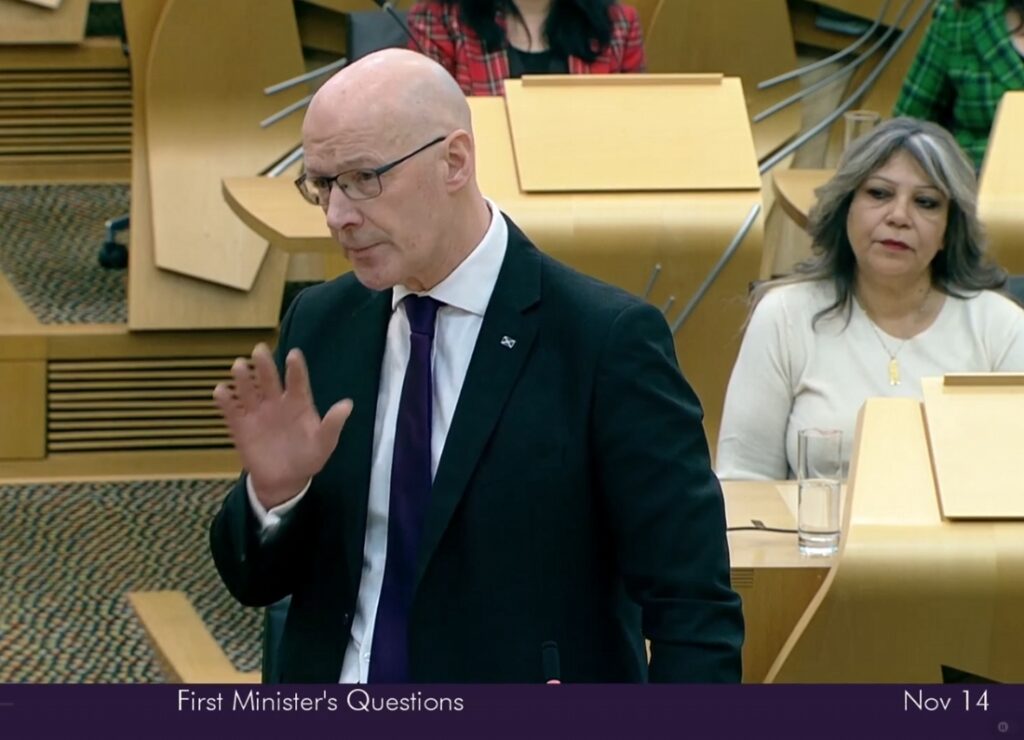
Swinney said the effective blockade of the Strait of Hormuz had changed “the balance of the arguments” and raised grave questions about UK energy security that strengthened the case for approving Jackdaw and Rosebank, which are in Scottish waters. While he emphasised continued support for climate compatibility assessments, he accepted these would “probably be a formality” and lead to approval.
The SNP’s previous position had been closely aligned with environmental groups. Nicola Sturgeon had described the Conservative government’s approval of Rosebank in 2023 as the “greatest act of environmental vandalism in my lifetime.” Swinney’s reversal illustrates the degree to which the Iran war has reshuffled the political calculus across the spectrum.
Anas Sarwar, the Scottish Labour leader, also stated he believes the fields should be approved, saying: “We made a commitment before the election that we would honour licences that were granted.” When asked if he thought Miliband was doing a good job, Sarwar said: “Yes, but there’s work to do.”
What independent experts say
The argument in favour of approving Rosebank and Jackdaw has often been framed around energy security – a more defensible position in the current climate than an argument purely about bills, given that Reeves herself acknowledged drilling would not bring down pump prices. But the energy security case is also contested.
University of Oxford researchers found that maximising North Sea oil and gas extraction would save households between just £16 and £82 per year, compared to savings of up to £441 annually from a full clean energy transition. The government’s own statutory security of supply report describes the UK Continental Shelf as a “super-mature” basin in natural decline, and says that not issuing new exploration licences is expected to have only a marginal impact on production and no material impact on security of supply.
Critics also note that the Rosebank field’s oil is predominantly destined for export rather than domestic use, meaning that even if the field came fully into production, British consumers would not be insulated from global price movements.
What happens next
The decision now rests formally with Miliband, but the political landscape around that decision has shifted substantially. With the Chancellor, the Scottish First Minister, the Scottish Labour leader, and the broader political weather all moving in the same direction, Miliband faces a choice between holding a position that is becoming increasingly isolated within his own government, or approving licences he has spent years opposing.
Any approval would be presented as consistent with Labour’s manifesto – honouring existing rather than granting new licences – but it would represent a significant retreat for the net zero agenda and a political victory for those who have been pressing the government to change course.
For the government, the underlying dilemma is real: the Iran conflict has made the politics of energy security more urgent in a way that is genuinely difficult to ignore. But the fundamental facts about the North Sea – its declining reserves, the global nature of oil and gas pricing, and the limited impact domestic production has on household bills – have not changed.
You may also like: Reform housing chief sparks fury with ‘everyone dies in the end’ Grenfell comments









Leave a Reply