

Universal Credit is the UK’s main working-age benefit for people who need help with living costs. It supports people who are out of work, working on a low income, unable to work because of illness or disability, or responsible for children. The latest Department for Work and Pensions figures show that 8.3 million people in Great Britain were on Universal Credit in February 2026, up from 7.5 million a year earlier.
Why was it introduced?
Universal Credit was created to replace a collection of older means-tested benefits and tax credits with a single monthly payment. The government’s stated aim was to simplify the system and make it easier for people to move into work without losing support all at once.
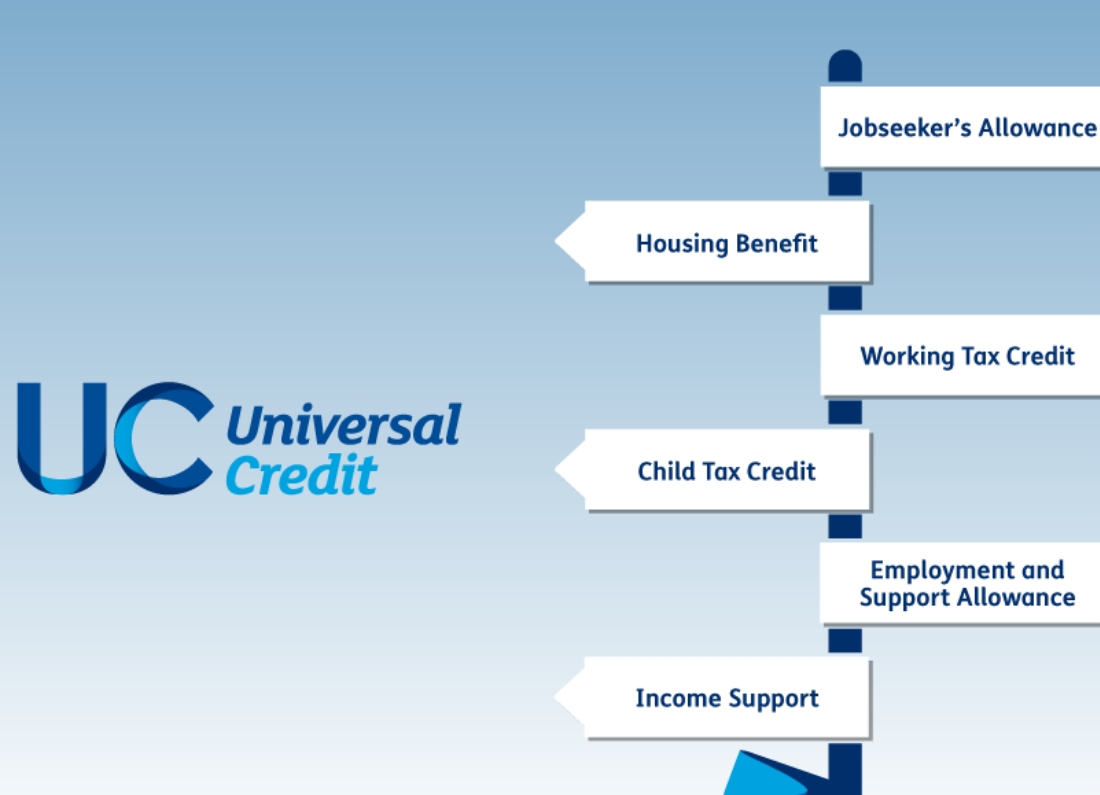
The older benefits it replaced – often called “legacy benefits” – include tax credits, income-based Jobseeker’s Allowance, Income Support, income-related Employment and Support Allowance and Housing Benefit. Some of those have already ended for all claimants. Others, including income-related ESA and most Housing Benefit, are still being phased out. People who receive a Migration Notice letter are told they must claim Universal Credit by a deadline or their existing payments will stop, even if they choose not to make a new claim.
Who can claim it?
You may be able to claim Universal Credit if you are on a low income, out of work, working part-time, self-employed, or unable to work because of a health condition. The main eligibility requirements are that you live in the UK, are aged 18 or over, are under State Pension age, and have £16,000 or less in savings and investments. There are some exceptions for people aged 16 or 17.
If you live with a partner, both people usually need to make a joint claim, and the amount you receive can be affected by both partners’ income and savings. Most full-time students cannot claim, though exceptions exist for those responsible for children, those with certain disabilities, and those who have received a migration notice.
How much do you get?
The amount depends on your household circumstances. Universal Credit starts with a standard allowance, and extra amounts can be added for children, childcare, disability or health conditions, caring responsibilities and housing costs. Money can also be taken off for earnings, savings above £6,000, benefit overpayments, advance payment repayments or other deductions.
For 2026/27, the monthly standard allowance is £338.58 for a single person under 25, £424.90 for a single person aged 25 or over, £528.34 for a couple both under 25, and £666.97 for a couple where either partner is 25 or over. Those are starting figures only. A household with children, rent, childcare or health-related needs may receive considerably more. Among households that received a payment in February 2026, the average Universal Credit amount was £1,030 a month – though that figure covers very different household types and should not be taken as a typical amount for everyone.
Does it cover rent?
Yes. Universal Credit can include a housing element to help with rent and some service charges. For private renters, the amount is usually based on Local Housing Allowance rates for the local area. For social housing tenants it is typically linked to eligible rent, though deductions can apply in some circumstances.
One difference from the old Housing Benefit system is that Universal Credit is generally paid directly to the claimant rather than to the landlord, though alternative payment arrangements can sometimes be set up – for example, if a tenant is in arrears.
Can you work while claiming?
Yes – and many people do. In January 2026, 3.1 million people on Universal Credit were in some form of employment, making up 37.8% of all claimants. Universal Credit is designed to reduce gradually as earnings rise, rather than cutting off abruptly when someone starts a job.
There is no fixed limit on hours. Instead, for every £1 earned, the Universal Credit payment is normally reduced by 55p – known as the taper rate. Some claimants also have a work allowance, meaning they can earn a certain amount before any reduction applies. In 2026/27, the work allowance is £427 a month for people receiving help with housing costs, and £710 a month for those who do not, provided they are responsible for a child or have a health or disability condition that affects their ability to work.
What is a claimant commitment?
Most Universal Credit claimants have to agree to a claimant commitment – a document setting out what they are expected to do in return for their payment. This might include applying for jobs, attending Jobcentre appointments or taking steps to increase earnings. The specific requirements vary according to individual circumstances. Someone with a serious health condition or very young children will have different expectations placed on them than someone who is actively job-seeking with no other commitments.
What are sanctions?
A sanction is when a Universal Credit payment is reduced or stopped because a claimant has not met a requirement in their claimant commitment without an accepted reason. This could include missing appointments, not completing agreed job-search activity, or not taking steps that were part of the commitment. The DWP says claimants are notified if a sanction is being considered and can provide a reason before a decision is made.
What are deductions?
Deductions are amounts taken from a Universal Credit payment before it is paid out. They can arise from a number of sources, including advance payment repayments, previous benefit overpayments, Council Tax arrears, utility debts, child maintenance and earnings above the relevant threshold.
DWP statistics show deductions are common. In February 2026, around 3.3 million Universal Credit households – 46% of all households on Universal Credit – had one or more deductions taken from their entitlement. Savings between £6,000 and £16,000 also reduce the award on a sliding scale. People with more than £16,000 saved are generally not eligible to claim.
The bottom line
Universal Credit is the foundation of the UK’s working-age welfare system. It covers unemployment, low pay, disability, caring responsibilities, children and housing costs – all in a single monthly payment. It was designed to replace a fragmented older system of separate benefits, and the migration from those older benefits is still ongoing for some households.
With 8.3 million people currently claiming and that number continuing to rise, understanding how Universal Credit works – what it pays, who qualifies and how it interacts with work and savings – is increasingly relevant to a large part of the British population.
You can sign up at this link.














Leave a Reply