


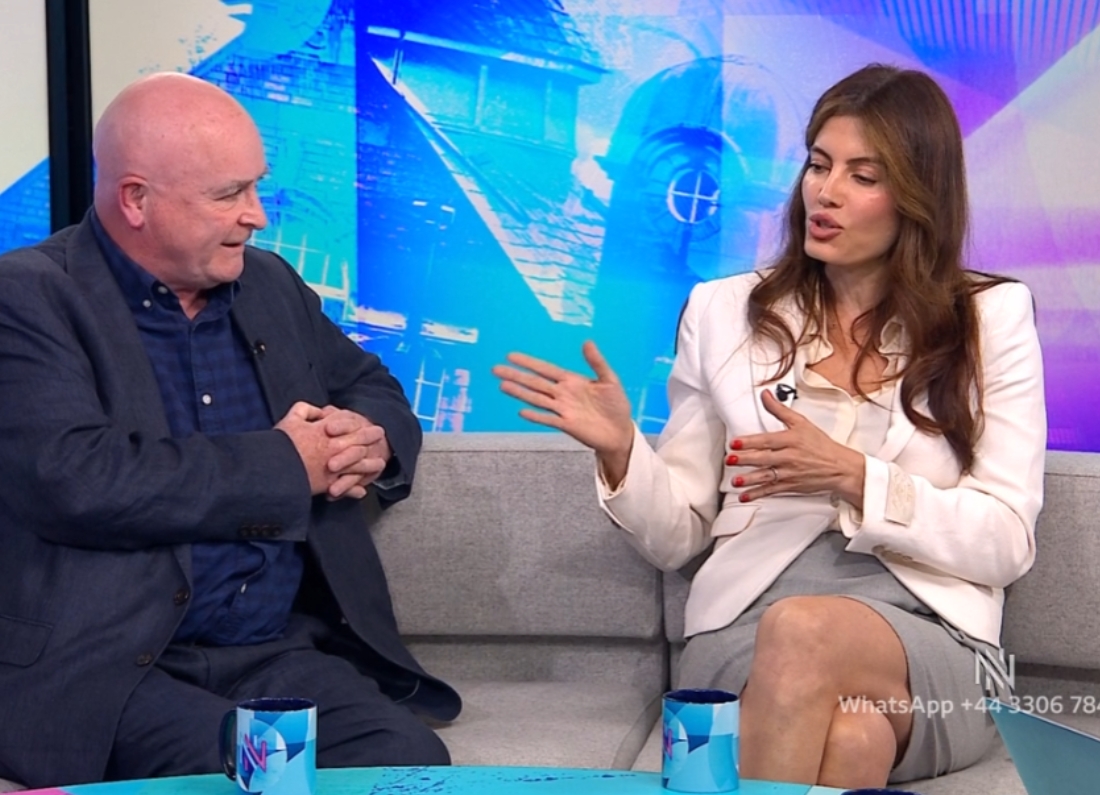
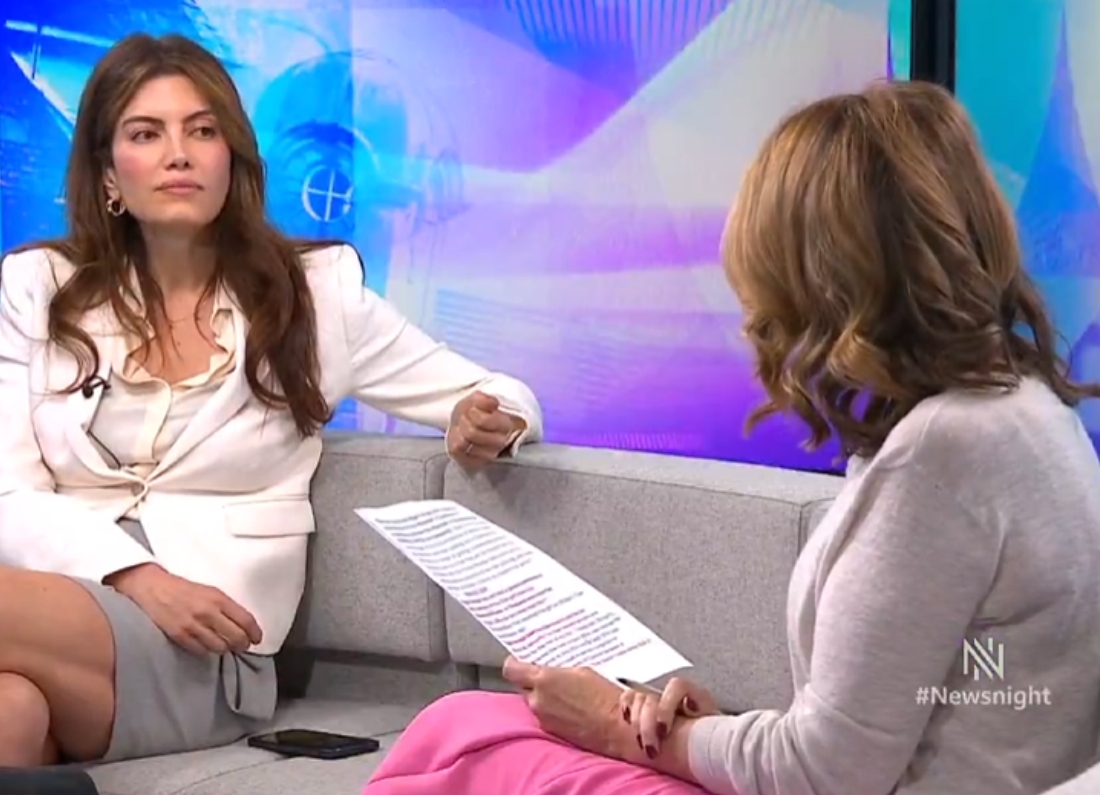
Suella Braverman has defected from the Conservative Party to Reform UK, becoming the latest high-profile Tory to join Nigel Farage’s ranks as Reform continues to recruit from the opposition benches.
The former home secretary announced the move at a Reform event in London linked to the launch of “Veterans for Reform”, telling supporters she had resigned the Conservative whip and was joining Reform because she believes “a better Britain is possible”.
Braverman, the MP for Fareham and Waterlooville, said the decision might be difficult for some constituents to hear, but framed it as an act of honesty rather than disloyalty. In remarks reported by multiple outlets, she repeated the line used by other recent defectors that “Britain is broken”, citing pressures around immigration, public services, and public safety.
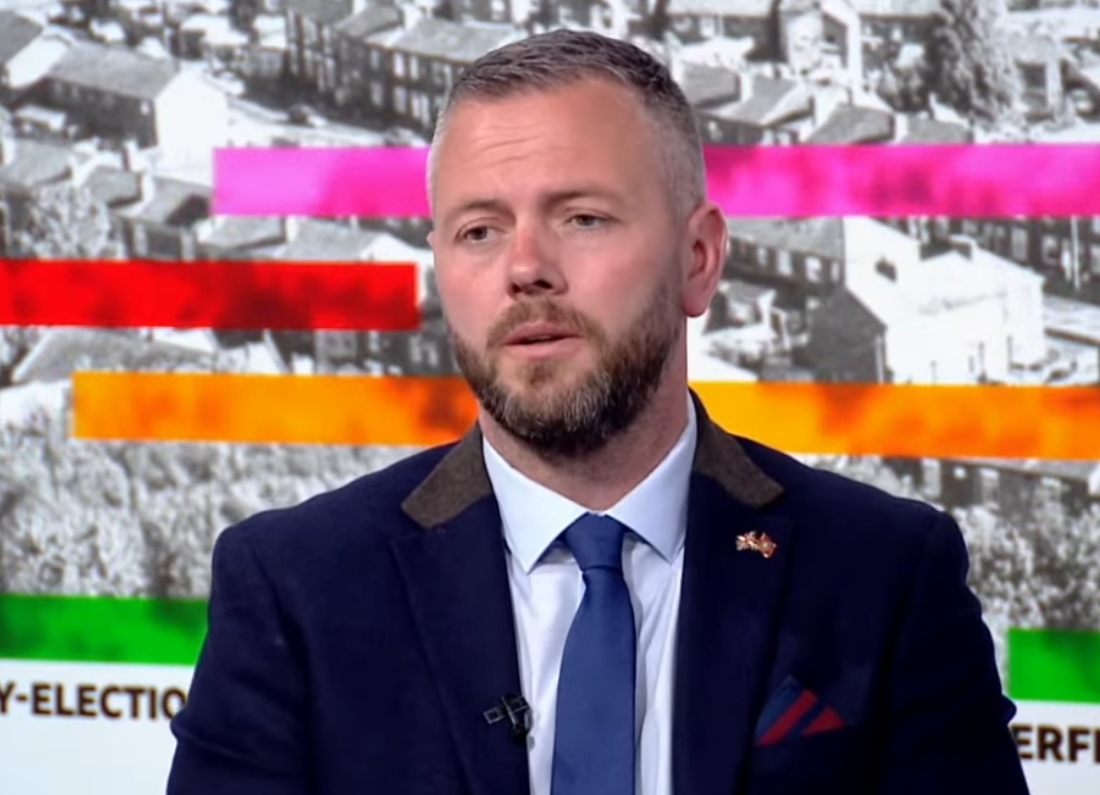
Reform UK said the switch takes its Commons total to eight MPs. Braverman is the third sitting Conservative MP reported to have moved to Reform in just over a week, following Robert Jenrick and Andrew Rosindell, in a run of defections that has sharpened questions about Conservative unity and Reform’s longer-term strategy.
What Braverman said and why it matters
In her speech, Braverman argued that leaving the Conservatives was a response to what she described as repeated failures to follow through behind closed doors. She accused her former party of offering “great speeches” and “good slogans” but lacking resolve when it came to making difficult decisions.
She also returned to an issue she has previously highlighted in government and since: the UK’s relationship with the European Convention on Human Rights (ECHR). Braverman has long argued for a tougher approach to legal constraints on immigration and asylum policy, and she used the defecting moment to claim that Conservative promises in this area were not credible.
For Reform, the value is obvious. Braverman is not a backroom figure: she has held major offices of state, has a defined public profile, and is associated with the “hard right” wing of the modern Conservative Party. Her move is designed to signal that Reform is not just a protest party but a serious parliamentary destination for politicians who think the Tory brand is exhausted.
Petition for automatic by-elections when MPs defect tops 100,000 signatures
The setting: Veterans for Reform and Reform’s pitch
Farage unveiled Braverman at an event aimed at veterans and defence-linked supporters, a setting that allowed Reform to connect her defection to themes of national strength, public service, and national pride.
According to the Financial Times, Farage told the audience he believes more Conservative MPs could defect by a deadline he has set for 7 May, a date that coincides with a major set of elections across parts of the UK. That framing turns defections into a rolling story rather than a one-off shock: it keeps pressure on Conservative MPs who may be considering their options, and it feeds Reform’s narrative that the political right is being reorganised.
What it means for Parliament and for voters in Fareham and Waterlooville
Braverman’s decision does not automatically trigger a by-election. There is no rule requiring MPs to resign if they change party allegiance, and the House of Commons Library notes that the convention in the UK is that MPs do not have to seek a fresh mandate simply because they “cross the floor”.
That does not mean the politics are cost-free. Party labels matter to voters, and defections can feel, to some constituents, like they did not get what they voted for. That is why calls for “defection by-elections” often spike during periods like this, and why the idea keeps returning to Parliament and public debate.
The immediate practical effect is parliamentary: Reform gains another experienced media performer, while the Conservatives lose another recognisable figure at a moment when their leader is trying to project discipline and momentum. The Financial Times reported that Conservative leader Kemi Badenoch has warned MPs she will not tolerate further internal conflict, reflecting how seriously the party is taking the defections.
Reaction from Labour and the Liberal Democrats
Labour and the Liberal Democrats moved quickly to paint the defection as proof that Reform is becoming a home for disaffected Conservatives rather than a genuine “new” force.
In comments reported across outlets, Labour’s chair described Farage as “stuffing his party full” of failed Conservatives and argued the public should not see the switch as a clean break from the political record of the last 14 years. The Liberal Democrats, meanwhile, attacked Braverman’s record in government and suggested she cannot separate herself from decisions made while she was a senior Conservative minister.
Braverman’s supporters will argue those attacks are predictable and miss the point: the entire idea of a defection is that a politician is publicly acknowledging they no longer believe their old party can deliver. Critics will argue the opposite: that a defection is a reinvention attempt, and voters should judge it against the record rather than the speech.
The wider story: a realignment on the right
This defection is part of a broader pattern: Reform has been building its parliamentary presence by attracting politicians with existing voter bases and media recognition, while Conservatives worry about being hollowed out to their right.
Whether that strategy works depends on what happens next. If Reform continues to grow in Westminster and polls, it can make the case that it is the main opposition force on the right. If it stalls, defectors risk looking like they jumped too early, while Conservatives will argue the party is merely absorbing protest sentiment without building a stable governing coalition.
For now, Braverman’s move keeps the spotlight on Farage’s recruitment drive and keeps pressure on Conservative MPs who may be weighing up whether they still see a future under the Tory banner.
You may also like: UK by-elections explained: what happens when MPs defect








Leave a Reply