Keir Starmer has said it is “unforgivable” that he was not informed Peter Mandelson had failed his security vetting clearance before being appointed as UK ambassador to the United States – and has fired the most senior civil servant in the Foreign Office, Olly Robbins, in a dramatic response to the Guardian’s explosive investigation.
Speaking to Sky News from Paris – where he was co-hosting a meeting with French President Emmanuel Macron about reopening the Strait of Hormuz – a visibly rattled Starmer insisted he had been kept in the dark by officials who overruled the security services’ recommendation against Mandelson receiving clearance.
“That I wasn’t told that Peter Mandelson had failed security vetting when he was appointed is staggering,” the Prime Minister said. “That I wasn’t told that he had failed security vetting when I was telling parliament that due process had been followed is unforgivable.”
He continued: “Not only was I not told, no minister was told. I am absolutely furious about that.”
The sacking of Olly Robbins
The most immediate and dramatic consequence of the Mandelson vetting revelation was the sacking of Sir Olly Robbins – the permanent secretary of the Foreign Office and the most senior civil servant in the department – on Thursday night.
Robbins had been in post for only a matter of weeks when the decision was made in late January 2025 to overrule UKSV’s formal denial of security clearance for Mandelson. As permanent secretary and Mandelson’s soon-to-be line manager, he was almost certainly central to that decision.
The Guardian’s investigation revealed that the overruling of the security services’ recommendation occurred over a 48-hour period between 28 and 30 January 2025 – with Robbins newly installed as the Foreign Office’s most senior official. The sacking confirms that Starmer holds Robbins principally responsible for the failure to inform ministers of the vetting result – and for the subsequent decision to present parliament with a version of events that omitted the crucial detail that UKSV had recommended against clearance.
Robbins had already attracted attention in November 2025 when, questioned by MPs on the Foreign Affairs Select Committee about whether Mandelson’s appointment had been “escalated” within the Foreign Office, he replied only: “I certainly cannot comment on that.” That response will now be scrutinised afresh.
What Starmer is claiming
Starmer’s account, delivered from Paris, rests on a single central assertion: that neither he nor any minister was informed that Mandelson had failed the developed vetting process conducted by UKSV.
If true, that assertion shifts the scandal from being primarily about the Prime Minister’s judgment in appointing Mandelson – despite warnings about his relationship with Jeffrey Epstein in the prior due diligence report – to being primarily about a catastrophic failure of the civil service to provide honest advice to elected ministers.
“No.10 wasn’t told that he had failed security vetting. That is completely unacceptable,” Starmer said.
The implications of that claim are significant. If ministers genuinely were not told, then the Foreign Office – specifically its permanent secretary and potentially its secretary of state at the time, David Lammy, now Deputy Prime Minister – overruled the security services’ formal recommendation and appointed a man to the UK’s most sensitive diplomatic post without informing the Prime Minister who had made the appointment public. That would be an extraordinary act of institutional autonomy, or cover-up, depending on your reading.
What remains unclear is whether Starmer is claiming he was not told because ministers were genuinely kept in the dark throughout, or whether the information was available within government but not escalated to him specifically.
Parliament on Monday
Starmer said he intends to go to parliament on Monday to “set out all the relevant facts in true transparency.”
That statement will be one of the most consequential of his premiership. He will face immediate questions about whether he misled the House when, on 5 February 2025, he told a press conference that security vetting had been “carried out independently by the security services” and had “given him clearance for the role.” That statement was, at best, incomplete. At worst, it was false.
Starmer will also face questions about what he knew and when he knew it – specifically whether the vetting failure was discussed at any level within Downing Street before he made those public statements. The Guardian investigation revealed that the decision to overrule UKSV was made over a 48-hour period in late January 2025 and that the Foreign Office had informed Mandelson his clearance was “confirmed” by 30 January. His appointment had been publicly announced before that. The Prime Minister’s press conference statement defending the vetting process came weeks later.
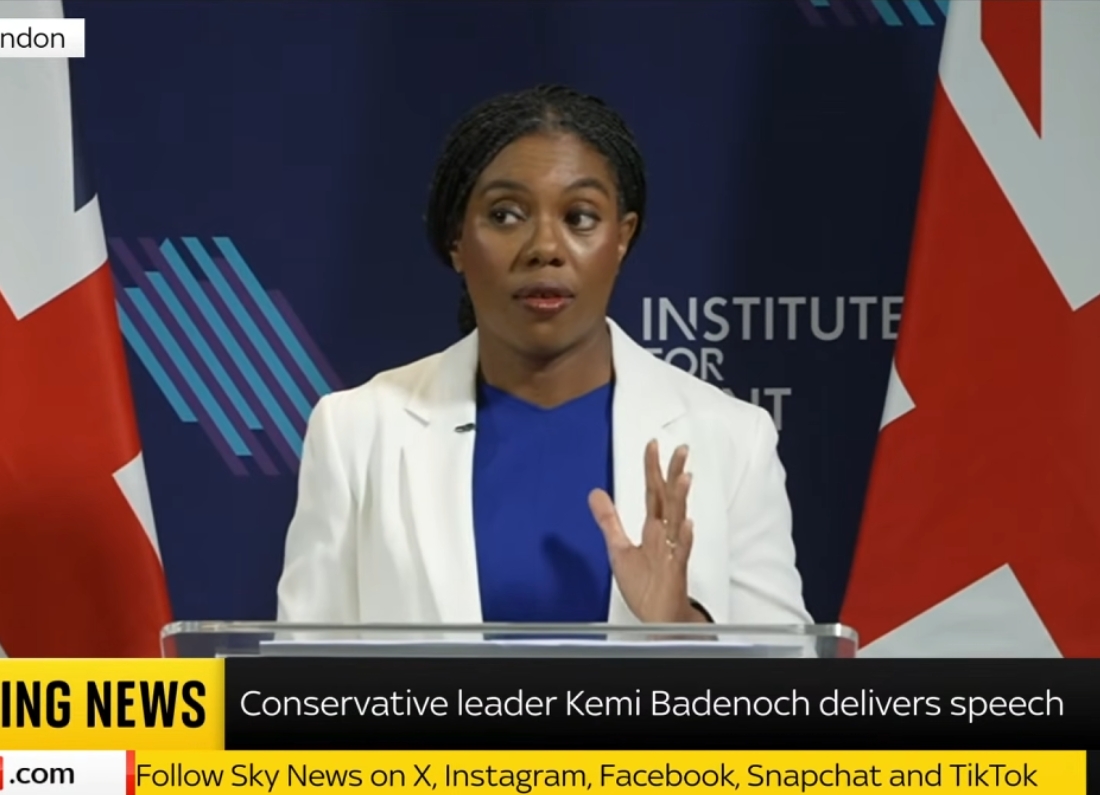
Kemi Badenoch, who had already accused Starmer of misleading parliament, will have fresh material for Monday’s session. “We now know the prime minister misled the House,” she said after the Guardian story broke. The Prime Minister’s new account – that he was not told and is “furious” about it – does not resolve the question of what he said at the podium in February 2025.
The Mandelson timeline
The story of Mandelson’s appointment, vetting failure and eventual sacking is worth recounting in full:
Starmer publicly announced Mandelson’s appointment as US ambassador – the first political appointee to the role since 1977. A Cabinet Office due diligence report, based on publicly available material, warned Starmer of Mandelson’s relationship with Jeffrey Epstein. Starmer proceeded with the appointment regardless.
On 28 January 2025, UKSV formally denied Mandelson’s security clearance. Within 48 hours, the Foreign Office overruled that recommendation and told Mandelson he had been cleared. No minister, according to Starmer’s account, was informed of the denial or the overruling.
On 5 February 2025, Starmer told a press conference the security vetting had given Mandelson “clearance for the role.”
In September 2025, Mandelson was sacked after further details emerged about the depth and nature of his relationship with Epstein.
In November 2025, Robbins told parliament he could “certainly not comment” on whether Mandelson’s appointment had been escalated within the Foreign Office.
In September 2025, Yvette Cooper and Robbins wrote to the Foreign Affairs Select Committee saying the process had “concluded with DV clearance being granted by the FCDO” – a statement that was technically accurate but omitted the UKSV denial entirely.
This week, the Guardian revealed the full picture. Thursday night, Robbins was sacked. Friday morning, Starmer said it was “unforgivable.”
The political consequences
The Mandelson affair has already been described by many observers as the most serious crisis of Starmer’s premiership. The new revelations have deepened it significantly.
Even in his most favourable interpretation – that he was kept in the dark by civil servants – Starmer faces a serious political problem. The Prime Minister is responsible for the government’s conduct. He appointed Mandelson despite clear warnings. His government then told parliament a version of events that omitted the most critical fact about the vetting process. Whether that omission was the result of civil service cover-up or ministerial decision-making is now the central question.
He was conducting all of this from Paris, where the more straightforwardly world-historical task of brokering a Hormuz coalition was waiting. The juxtaposition – the Prime Minister co-chairing a summit with Macron about reopening the world’s most important oil shipping lane while simultaneously giving interviews defending himself against a domestic scandal about a fired ambassador’s vetting failure – captures something of the particular difficulty of Starmer’s current political position.
Monday’s parliamentary statement will not resolve the affair. But it will define whether Starmer’s explanation holds – and whether his firing of Robbins is sufficient to draw a line under a scandal that has been building, and deepening, for the better part of a year.
You may also like: Trump warns US-UK trade deal ‘can always be changed’ as he brands special relationship ‘sad’