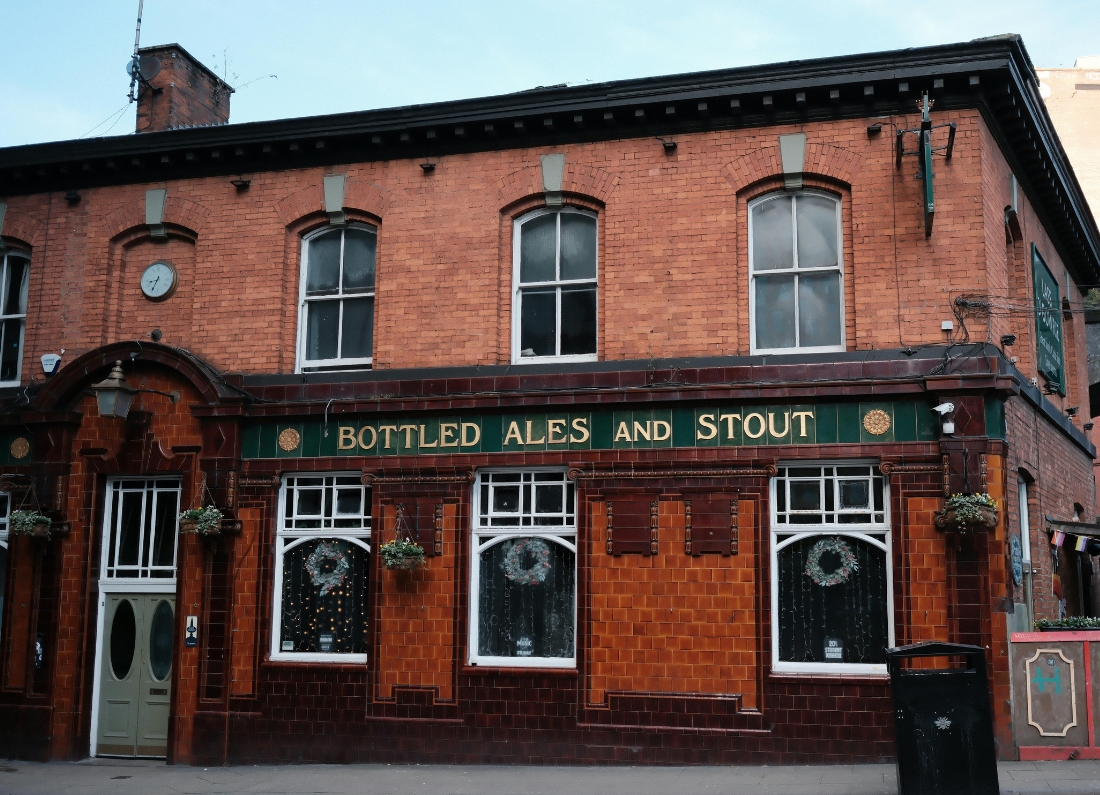
Around two pubs are closing every day in Britain as rising labour costs, business rates and excise duty wipe out profits even at venues doing brisk trade, the British Beer and Pub Association has warned – with 161 closures recorded in the first three months of 2026 alone, a 26% increase on the same period last year, costing an estimated 2,400 jobs.
The figures represent one of the starkest illustrations yet of the pressure facing the hospitality sector following last November’s Budget, which increased the national minimum wage and employer National Insurance contributions, adding significantly to operating costs across the industry.
Emma McClarkin, chief executive of the BBPA, said: “The scale of these closures is avoidable because pubs are doing a brisk trade, but their profits are wiped out by a disproportionate tax burden and huge costs. For too many, the sheer weight of taxes and regulatory costs have forced them to shut up shop, which will only hurt communities, workers, and the wider economy.”
The numbers – and where closures are hitting hardest
Scotland recorded the heaviest losses of any region, with 41 closures in the first quarter of 2026, leaving 4,188 pubs remaining. The South East saw 26 closures, leaving 5,643. The North West lost 18, leaving 5,145. London lost 17, leaving 3,432.
Wales was the only part of Great Britain to report an increase in pub numbers, with a net gain of three venues to 4,188. Every other region recorded net losses.
The regional breakdown in full:
- South East: 26 closures, 5,643 remaining
- Scotland: 41 closures, 4,188 remaining
- North West: 18 closures, 5,145 remaining
- London: 17 closures, 3,432 remaining
- East of England: 16 closures, 3,682 remaining
- South West: 13 closures, 4,582 remaining
- Yorkshire and The Humber: 10 closures, 4,235 remaining
- East Midlands: 10 closures, 3,579 remaining
- West Midlands: 11 closures, 3,910 remaining
- North East: 2 closures, 1,926 remaining
- Wales: Net gain of 3, 2,901 remaining
The total of 161 closures in three months compares to figures that already showed significant pressure – 336 pubs were lost across the whole of 2025, a figure that itself brought the total number of pubs in Britain down to 44,656. More than 2,000 pubs have closed since the start of the Covid pandemic in 2020.
What is causing the closures
The BBPA identified three principal drivers. First, the rise in the national living wage – which increased to £12.21 per hour in April 2025 and to £12.60 in April 2026 – represents a substantial increase in labour costs for an industry where staffing can account for 30-40% of total expenditure. Second, business rates – a property tax levied on commercial premises – have historically fallen more heavily on pubs than on comparable retail or office premises of the same value. Third, excise duty on beer and spirits remains among the highest in Europe.
McClarkin said the situation was “avoidable” because pubs themselves were trading well – the issue is not a collapse in demand but a structural mismatch between what venues generate in revenue and what they are required to pay out in costs and taxes before any profit is possible.
The BBPA is calling for a permanent long-term plan for business rates and a wider overhaul of taxes on the hospitality sector, arguing that the temporary 15% business rates relief introduced this year – while welcome – does not provide the certainty and scale of reform the sector needs to survive.
The spirits problem
The UK Spirits Alliance, which represents hundreds of distillers across Britain, added its voice to calls for a review of the tax regime. The alliance urged the government to carry out a “proper review” of excise duty, describing the situation as one where “hospitality is fighting for our very survival.”
Neema Rai, spokesperson for the group and co-founder of Westminster-based Tamesis Dock and the Battersea Barge, said: “Pubs have been hit hard in recent years and we’ve just been hit by yet another excise duty hike. Spirits offer higher profit margins and help keep us afloat, yet we have the highest rate of excise duty in the G7.”
The G7 comparison is significant. Britain’s excise duty on spirits is higher than in the United States, Germany, France, Italy, Canada and Japan – a legacy of historical tax policy that has never been comprehensively reformed to reflect the competitive pressures facing modern hospitality businesses.
The government’s position
The government pointed to a package of support measures it has introduced for the sector. A 15% business rates relief for pubs and music venues came into effect last month. The government also extended World Cup opening hours, increased the Hospitality Support Fund to £10 million and cut alcohol duty on draught pints. Corporation tax has been capped, and there have been six cuts in interest rates since Labour took office.
![CHANCELLOR RACHEL REEVES: There's nothing that women can't do. [YouTube]](https://thedailybritain.co.uk/wp-content/uploads/2026/04/rachelreeveswomeninparliament-1024x740.jpg)
A government spokesperson said: “We are backing Britain’s pubs. Later this year, we’ll also build on our Pride in Place programme with our new High Streets Strategy to revitalise our town centres.”
The tension between these two positions – the industry’s description of a sector being driven to closure by tax burdens, and the government’s description of a comprehensive support package – reflects a genuine and unresolved debate about whether Britain’s current approach to taxing hospitality businesses is compatible with keeping the sector viable.
What a pub closure actually means
The political debate about tax rates and business rates relief can obscure what a pub closure means in practice. For the estimated 2,400 workers whose jobs were lost in the first quarter of 2026, the BBPA notes the hit falls disproportionately on younger workers for whom the hospitality sector often provides a first employment opportunity.
For communities – particularly in rural areas and smaller towns where a local pub may be the only remaining social venue – a closure means the loss of something that is difficult to put a monetary value on and nearly impossible to replace once it is gone. The 2,000 pubs that have closed since 2020 represent 2,000 community assets that are not coming back.
The BBPA’s argument – that the current rate of closures is “avoidable” because trade is actually strong – is the most politically pointed element of its intervention. These are not pubs failing because nobody wants to go to them. They are pubs failing because the gap between what customers spend and what the government takes does not leave enough for the business to survive.
You may also like: BP profits more than double to £2.4bn as Iran war delivers an energy windfall – while British households face a £300 bill rise in July