

Keir Starmer has come under fresh criticism from the Green Party’s Zack Polanski after the prime minister used a sharp attack line at Prime Minister’s Questions linking the Greens to drug legalisation and Russia.
Polanski said Starmer’s jibe was “beneath the office of the prime minister” and described the approach as “pretty vile”, arguing the issue of drugs policy should be treated as a public health matter rather than fodder for political point-scoring.
The row comes as Labour increasingly positions itself against the Greens in a number of political battlegrounds, with party strategists and some polling analysts suggesting Labour believes it must consolidate left-of-centre support to prevent votes fragmenting in tight contests.
What Starmer said, and why it sparked a backlash
At Prime Minister’s Questions on 21 January, Keir Starmer accused the Green Party of England and Wales of being “high on drugs, soft on Putin”, linking Green policies on drug legalisation and the UK’s nuclear deterrent to claims they were “reckless and irresponsible”.
Starmer’s remarks landed at a moment when the Greens have been attracting more attention in Westminster and in parts of the country where progressive parties are in direct competition. Labour has also argued that some Green policies are not credible or costed, while the Greens say Labour is attacking them because it is worried about losing support to its left.
Polanski’s response, aired in weekend interviews, focused on two things: the tone of the comments and the substance behind the policies being referenced.
Polanski’s argument: treat drugs as a health issue, not a punchline
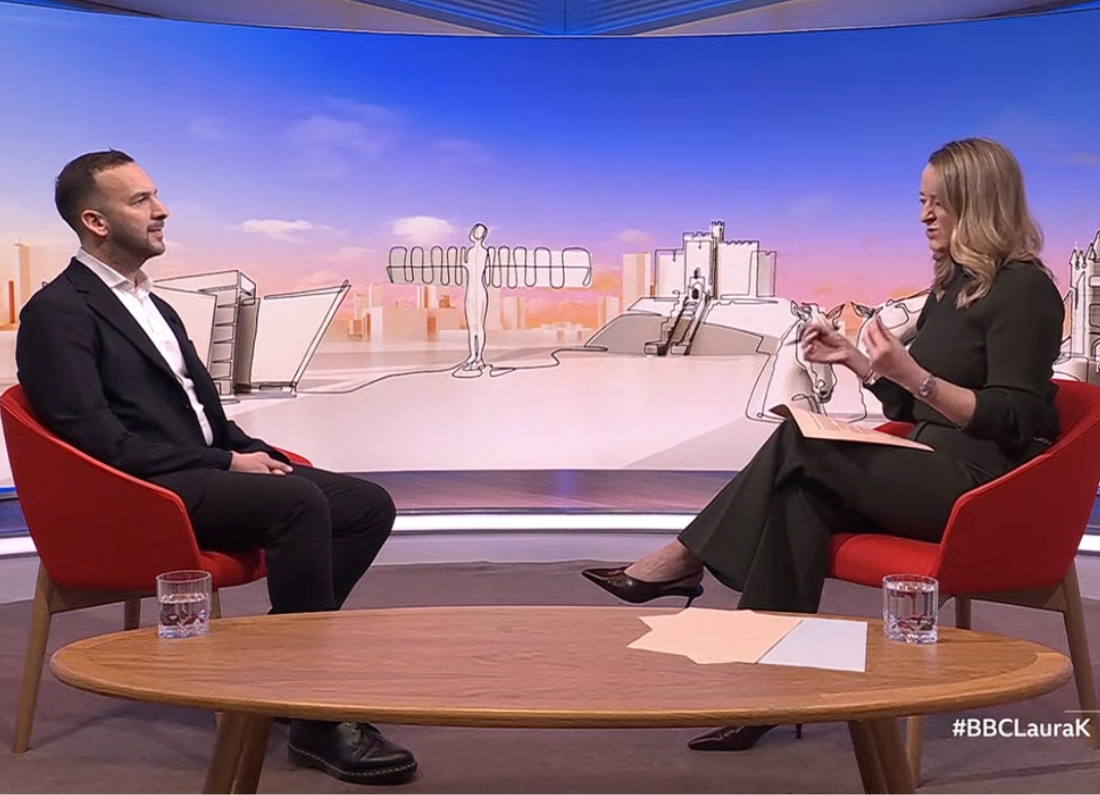
Polanski told the BBC’s Sunday with Laura Kuenssberg that he supports legalising and regulating drugs, framing it as harm reduction rather than permissiveness. He argued that when people develop a problematic relationship with drugs, “surely the answer is to make sure they’re seen by a medical professional who can help them.”
He said there are “thousands and thousands of unnecessary deaths” linked to drug harm and that Starmer’s approach at the despatch box was “disgraceful” and “vile”.
The comments also drew attention for a personal detail: Polanski said he has never taken drugs and has not drunk alcohol, describing it as a personal choice rather than a moral stance, while insisting that policy should be evidence-led.
The policy and legal context in the UK
Drug policy in the UK sits within a long-established legal framework. Under the Misuse of Drugs Act 1971, substances are classified and controlled, with Class A drugs (including heroin and cocaine) subject to the strictest penalties.
Debates about reform are not new. Parliamentary research has repeatedly set out the tension between enforcement, prevention, and treatment, and successive governments have faced criticism over treatment capacity and the balance between criminal justice and health responses.
Polanski’s position, as described in interviews reported this weekend, is that legalisation paired with regulation would reduce harms created by an illegal market and allow addiction to be treated primarily through healthcare.
Labour’s argument, reflected in Starmer’s PMQs attack and subsequent briefings, is that such a shift would be extreme and could send the wrong message about dangerous drugs.
Why Putin and defence became part of the same clash
Starmer’s attack line tied drugs policy to foreign policy and defence, arguing that now is not the moment for policies he claims would weaken the UK’s deterrence or its military posture.
Polanski pushed back by saying defence is “a really serious issue” and criticised what he described as cheap jokes about Russia. In the same exchange, he attacked the prime minister for, in his view, being too deferential to Donald Trump, while noting the global risk posed by Vladimir Putin amid the war in Ukraine and the treatment of Volodymyr Zelenskyy by some international leaders.
This wider framing matters politically because Labour appears to be sharpening contrasts not only with the Conservatives and Reform, but also with parties to its left. Reporting in recent days has described Labour’s efforts to present Green policies as unrealistic while arguing Labour is the only viable alternative to the right in key contests.
What happens next
It is not yet clear whether Labour will continue using similar attack lines, but the controversy illustrates a broader shift in political messaging: Labour appears more willing to confront the Greens directly, and Green figures appear equally willing to accuse Labour of using divisive rhetoric to shore up support.
The dispute also raises a more practical question for voters: how seriously should parties and politicians treat complex policy areas like drugs harm reduction and national security in high-profile parliamentary moments, and what does it say about the tone of politics heading into a year where multiple elections are expected to test party support?
For now, the immediate impact is reputational. Polanski has positioned himself as calling for “mature” debate on drugs policy, while Labour has signalled it intends to challenge what it sees as high-risk proposals. Whether the exchange moves public opinion is uncertain, but both sides are clearly preparing for a more direct fight for progressive voters over the coming months.
You may also like: Jeremy Clarkson warns Reform hype could crash into the reality of government






Leave a Reply