

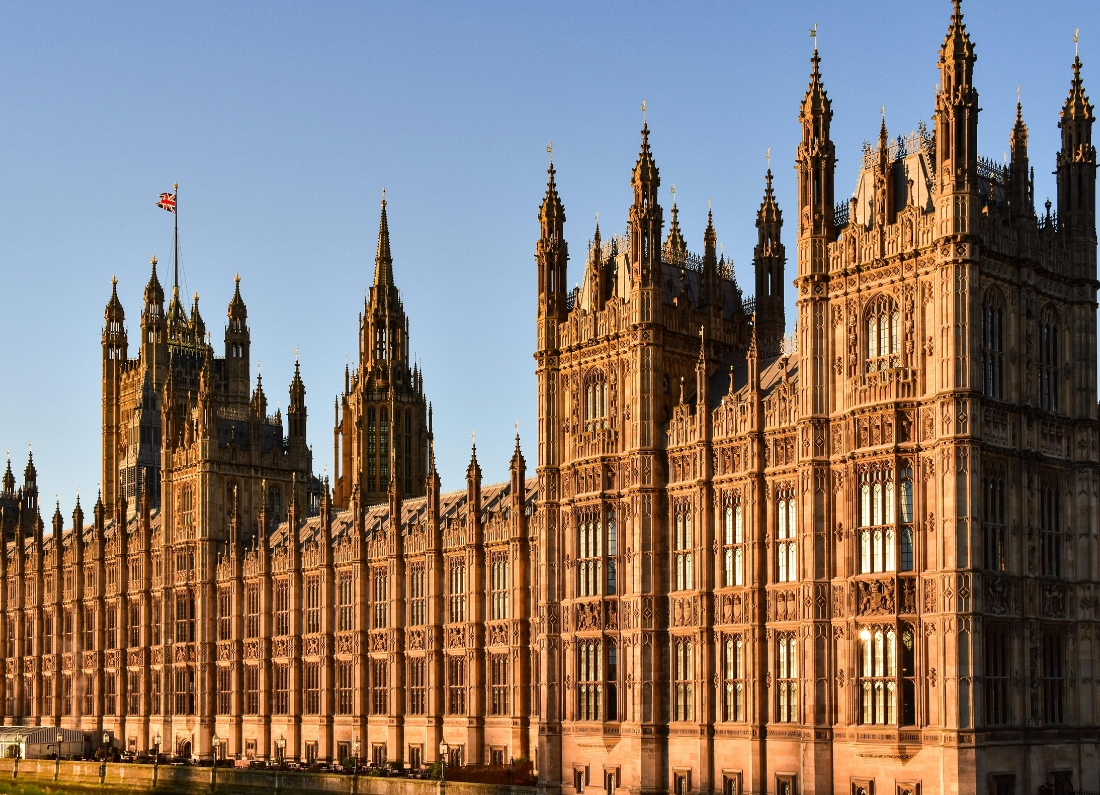
All lobbying of government ministers, aides and senior officials should be publicly declared, from WhatsApp chats to party conference meetings, in a fundamental shake-up of transparency laws, the government’s ethics watchdog has said.
A review led by Doug Chalmers, head of the ethics and integrity commission, has called for a new register recording who is lobbying, which policies they are seeking to influence, and who in government they are meeting. The overhaul would require major legislation, but Chalmers said it was crucial to restoring trust in the standards system.
Why the review happened
The review was ordered by Keir Starmer following the Peter Mandelson affair, in which Mandelson retained a stake in a lobbying firm while serving as US ambassador, a controversy that formed part of a broader set of revelations about influence and access within the current government that emerged through leaked internal files.
It would represent a huge change from the current lobbying register, which covers only a small proportion of lobbying activity conducted by consultants and does not require disclosure of how that lobbying actually takes place. Lobbying scandals have troubled leading Westminster figures for years, including David Cameron, who after standing down as Conservative prime minister attempted to influence the government in favour of his employer Greensill Capital, which later collapsed.
How limited the current system is
The coalition government established a register of consultant lobbyists, but multiple loopholes and exemptions mean only an estimated 4-6% of lobbying activity currently has to be declared at all. Chalmers said the previous standards watchdog had recommended simply closing some of these loopholes, but the commission concluded that partial fixes were insufficient and that all lobbying should instead be captured under a comprehensive registration requirement.
“The current UK lobbying system fails to deliver the required level of transparency and, in doing so, falls short of meeting the Nolan principles,” Chalmers said. The seven Nolan principles of public life require holders of public office to remain accountable to the public for their decisions and actions, to submit themselves to appropriate scrutiny, and to act and take decisions in an open and transparent manner.
What the report actually recommends
Among its many recommendations, the commission called for new rules requiring any individual or organisation carrying out lobbying activity to register and submit information returns on that activity. Disclosure requirements would extend beyond the current law, which covers only ministers and permanent secretaries, to also capture communications with special advisers, directors general, directors, non-executive directors and any other government advisers of equivalent seniority.
The report calls for closing loopholes that currently exempt lobbyists who are VAT-exempt, or whose communication with a minister is deemed merely “incidental.” It recommends developing an AI-powered platform to allow easy public searching of the register alongside records of ministerial and official meetings with third parties, and proposes that ministers and officials should be required to turn down meetings about policy or legislation if the third party requesting the meeting is not on the lobbying register.
Perhaps the most significant single recommendation is that ministers and officials should be required to declare any lobbying conducted through informal channels, including WhatsApp messages and casual meetings such as those that routinely take place at party conferences, an area of activity almost entirely invisible under the current system. Disclosures would be required to record the identity of the lobbyist, the date of engagement, the recipient, the method of engagement, the specific subject matter including the legislation, policy or regulation being targeted, the client being represented, the ultimate intended beneficiary, and details of how the lobbying organisation is funded. The report also calls for a significant increase in the maximum civil penalty that can be imposed for offences under the Lobbying Act, including for carrying out lobbying activity while unregistered.
Who has to decide what happens next
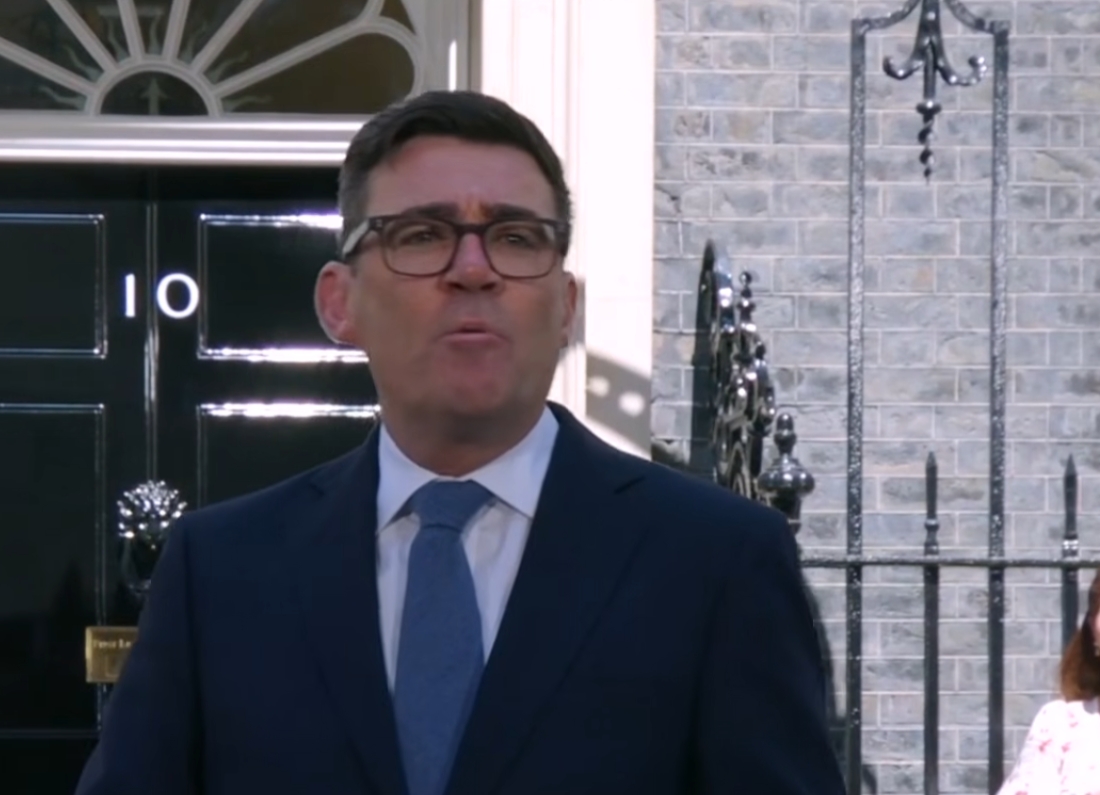
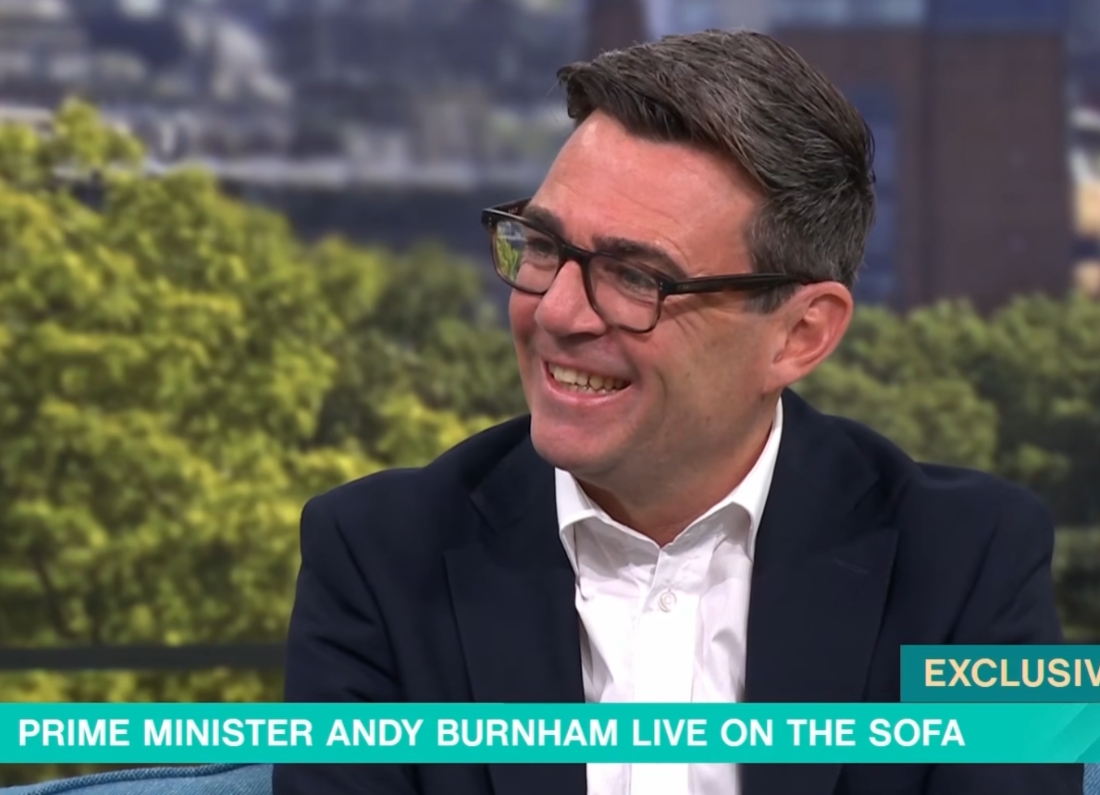
The government’s formal response to the review will now fall to Andy Burnham, Starmer’s probable successor as prime minister, who will have to decide whether to pursue the greater standards of openness the commission is recommending. Given Burnham has separately signalled a willingness to break decisively with what he has described as “40 years of neoliberalism,” including moving away from private sector arrangements he considers to lack sufficient public accountability, the lobbying transparency question sits within a wider pattern of decisions his incoming government will need to make about how far it is willing to go in reshaping the relationship between government, business and outside influence.
The industry response
The proposals were welcomed by one of the leading public relations bodies, which has long called for a more level playing field requiring all lobbyists to disclose their activity. Alastair McCapra, chief executive of the Chartered Institute of Public Relations, said the changes would “fundamentally reshape the relationship between lobbyists and Westminster.”
“The suggestion to finally do away with a register that only provides a thin glimpse of lobbyists and replace it with a comprehensive activity-based lobbying register is critical and warmly welcomed,” McCapra said. “If enacted, these changes would finally give us the promised light of transparency we’ve been calling for, providing the public with a true sense of who is engaging our policymaking process.”
He was direct about the current system’s shortcomings: “Public trust in Westminster has taken a battering over the last decade thanks to what has felt like an endless carousel of lobbying scandals. To most voters, lobbying has almost become synonymous with sleaze despite being an essential part of the democratic process. We need lawmakers to hear from those affected by their decisions, but the public also needs to be able to see who is seeking to influence whom. As things stand, what we in fact have is the least transparent lobbying register in the west. These recommendations would fundamentally reshape how lobbying activity is captured, bringing the transparency that has long been missing. Mistrust foments in the dark, and sadly that’s where the overwhelming majority of lobbying currently occurs.”
Why the timing matters
The review’s publication lands at a moment when questions of financial transparency and undisclosed influence are already dominating British political coverage on multiple fronts, from the Mandelson affair that prompted the review itself to the ongoing separate scrutiny of political donations and financial relationships across party lines. Whether Burnham’s government adopts the commission’s recommendations in full, in part, or shelves them entirely will be an early indicator of how seriously the incoming administration intends to treat the broader transparency agenda it has repeatedly said it wants to pursue.






Leave a Reply