


Reform UK has appointed a new economic adviser who’s previously called for the pension triple lock to be abolished and argued in favour of privatising the NHS.
Mitchell Palmer, an economist at the Adam Smith Institute, has joined Reform as the party builds out its economic team under Robert Jenrick. Palmer has a strongly free-market record and’s written extensively on public spending, taxation and economic reform, some of it noticeably at odds with Reform’s current public pitch. The party said this week a Reform government would “protect our pensioners, protect the triple lock” while making large cuts elsewhere in welfare. Palmer has previously argued the triple lock is unsustainable and unfair to younger generations, and has separately backed greater private involvement in healthcare, including NHS privatisation, plus ideas like removing VAT exemptions and introducing a land-value tax. Reform says bringing in people with different views is healthy and doesn’t mean every past position an adviser’s held becomes party policy.
Palmer has argued against the triple lock
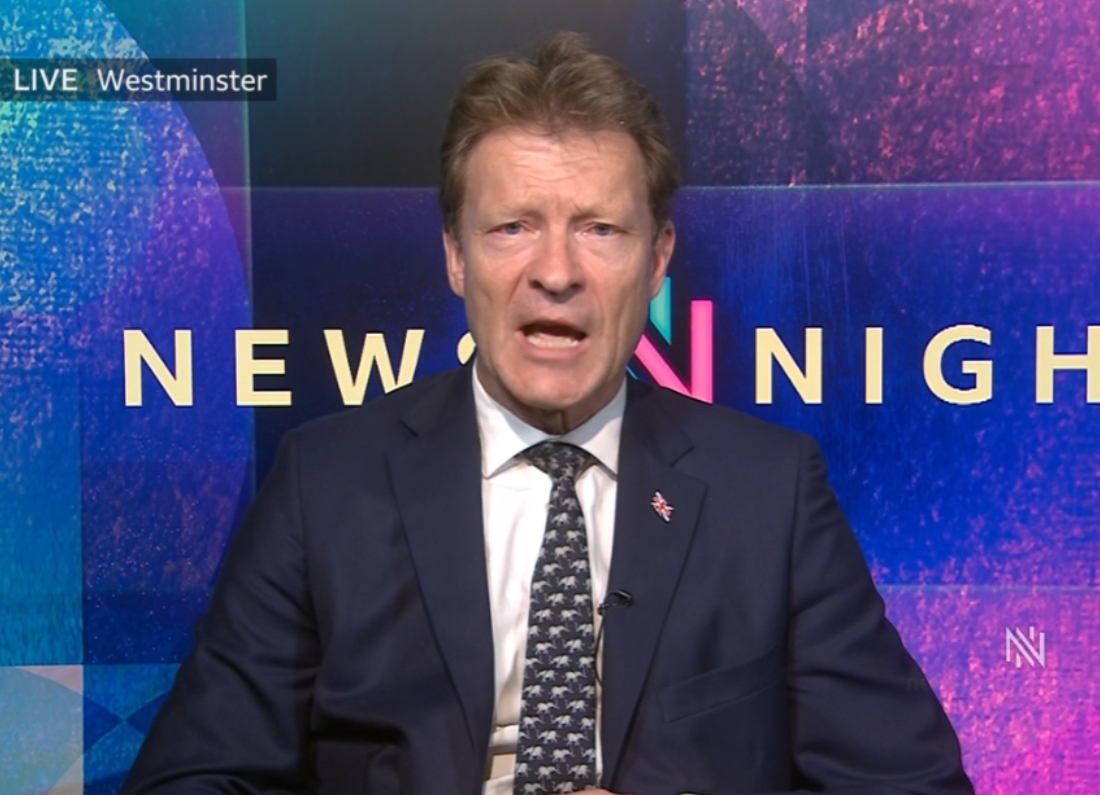
The triple lock guarantees the state pension rises each year by whichever’s highest: inflation, average earnings, or 2.5%. It’s become one of the most politically sensitive parts of the welfare system, and Reform’s repeatedly promised to keep it. Richard Tice said this week the party’s welfare proposals would let it keep supporting pensioners while cutting spending elsewhere.
Palmer’s taken a different line in the past, arguing the triple lock makes long-term spending unpredictable and places a growing burden on younger taxpayers as the pensioner population expands. His argument’s been that pensioners can still be protected without tying annual increases to the current formula specifically. The appointment hands Reform’s opponents an obvious line of attack at exactly the moment the party’s trying to reassure older voters their pensions are safe. Reform hasn’t announced any change to its triple-lock policy.
He’s also backed NHS privatisation
Palmer’s previous comments on healthcare are likely to draw just as much attention. He’s argued for privatising the NHS and criticised the current system over waiting times, rationing and patient safety. Not Reform’s stated position, the party’s current policy says the NHS would “remain free at the point of use” and continue being funded through general taxation, with Reform instead saying it wants to cut administrative spending and redirect more money to frontline services. It’s previously floated greater use of private providers within the health service, but that’s a different thing entirely from abolishing the NHS model itself.
Palmer’s own approach is rooted in the free-market thinking associated with the Adam Smith Institute, where he currently works as an economist. He’s previously advised New Zealand’s deputy prime minister on fiscal and economic policy, studied history and economics at Oxford, and worked in economic consulting and at a thinktank in Singapore.
A much more free-market agenda
Palmer’s views go well beyond pensions and healthcare. He’s co-authored work calling for major changes to planning, taxation and regulation, including one Adam Smith Institute report with Jasper Ostle arguing that removing a series of barriers to private-sector growth could substantially increase Britain’s long-term economic output. Among the measures backed in his work: changes to planning rules, lower regulatory barriers, and tax reform. Another report he co-authored argued for removing VAT exemptions while lowering rates elsewhere, saying exemptions distort spending decisions and are expensive to administer. He’s also supported a greater role for land-value taxation, and has previously argued economic migration can reduce poverty globally, another position that doesn’t fit neatly with Reform’s much tougher stance on migration.
None of that means Reform’s preparing to adopt any of these ideas. Political parties routinely hire economists and advisers whose personal views don’t perfectly match every line of the manifesto. But the appointment lands right as Reform’s trying to build out a more detailed economic programme ahead of the next election.
Reform is already promising major welfare cuts
The party unveiled a new welfare package this week it claims could save around £50bn a year by 2030. Jenrick and Tice said the proposals would restrict most non-contributory benefits to British citizens and make wider changes to long-term welfare support, with Reform saying the savings would let it protect pensioners and ease pressure on taxpayers. Its own announcement specifically promised the triple lock would stay in place.
That’s what makes Palmer’s appointment particularly interesting. His previous work’s focused heavily on the sustainability of Britain’s public finances, including the long-term spending pressures created by pensions and welfare, warning Britain faces serious fiscal problems unless spending’s brought under control. The question now is how much actual influence those views end up having inside Reform.
Reform says different opinions are welcome
A Reform spokesperson defended the appointment, saying it’s healthy for the party to bring in people with different perspectives. Reform hasn’t said it’s changing policy on the triple lock or moving toward NHS privatisation. For now, Palmer’s role is purely advisory.
That still gives Labour and the Conservatives a ready-made line of attack. Reform’s spent months insisting pensioners would be protected under its welfare plans. Its new economist has previously argued one of the most important protections for pensioners should be scrapped entirely. Whether that stays an old personal view or starts shaping Reform’s actual economic programme is going to be watched closely from here.








Leave a Reply