

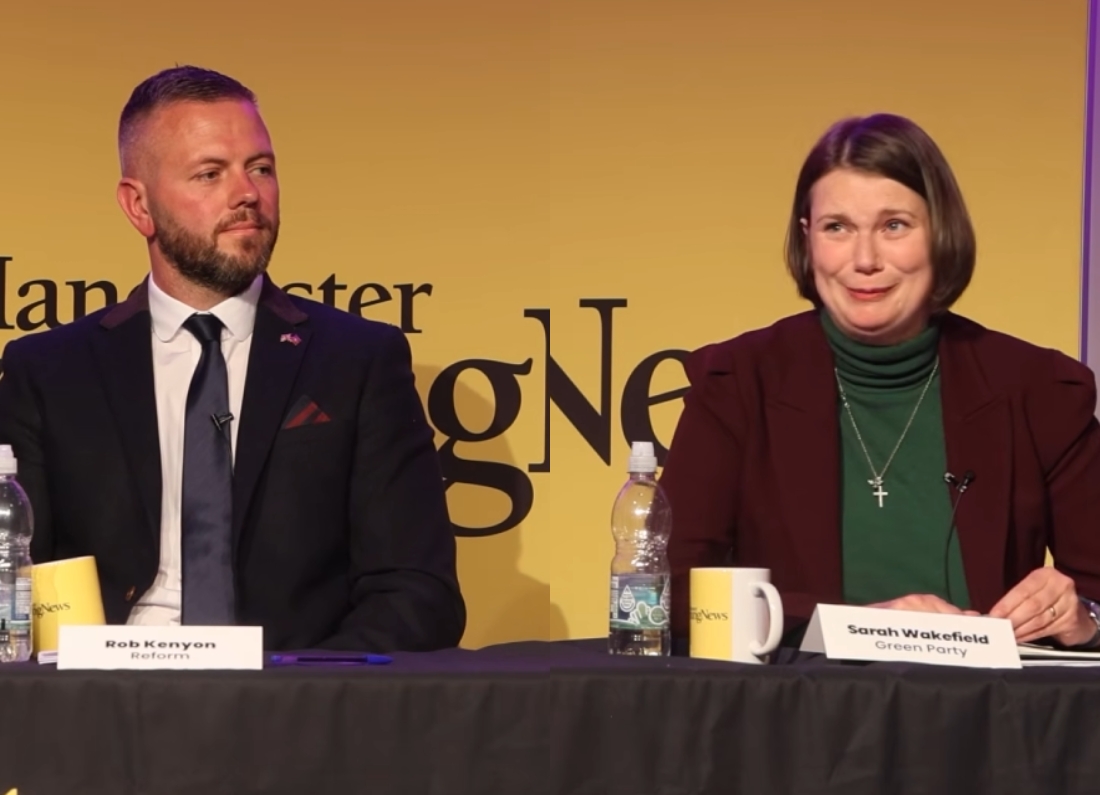
Robert Kenyon arrived at Winstanley College for the Manchester Evening News Makerfield hustings with five days until polling. He left having been laughed at by an audience member during his answer on women’s rights and having been told by the Green Party candidate that she found Reform’s claims to be a pro-women party “funny, if I wasn’t so worried about it.”
It was that kind of afternoon.
The hustings brought together five of the leading Makerfield candidates – Labour, Reform, the Liberal Democrats, the Conservatives and the Greens – to face an audience of students, teachers, journalists and local residents at the college. Questions covered immigration, Green Belt development, women’s rights, heritage protection and opportunities for young people. The students in the room, many of them with a keen personal interest in how this constituency votes on Thursday, left talking about one candidate more than any other.
It wasn’t Kenyon.
The women’s rights section was, by some distance, the most revealing exchange of the afternoon. When the question came, Kenyon opened reassuringly. “Women’s rights will be protected,” he said. “Every single one of them rights, I guarantee it, the lot. They’re all going to be protected.”
This sounded promising. Then he explained which women’s rights Reform actually cares about.
“What we would like to do – we’re one of the parties who doesn’t want biological males to go into women’s changing rooms and lockers and toilets. So I don’t know how comfortable the lads in the audience feel with a biological male getting changed next to him in the gym, or in the toilet cubicle next to him in a nightclub or a pub. We’re certainly against it. But other parties are all for it.”
The question had been about the protection of women’s rights more broadly – equal pay, maternity rights, workplace protections, the Equality Act. Kenyon’s pivot to trans issues and changing rooms, addressing his answer explicitly to the “lads in the audience,” prompted audible reaction in the hall.
An audience member – a WASPI women’s rights campaigner who had spoken from the floor – was direct: “I’m a little bit frightened by all your politics, to be honest.”
This matters beyond the awkwardness of the moment. As we reported in our Stefanovic Reform policies piece, Reform’s Great Repeal Act would scrap the Equality Act – the legislation that underpins equal pay rights, maternity protections, and the legal framework against workplace discrimination. When Kenyon says “every single one of them rights” will be protected, there is no drafting behind that guarantee. As he admitted at the BBC Makerfield debate, the replacement legislation “hasn’t been drafted yet.” There is, currently, no Workplace Fairness Act. There is just a promise.
The Green candidate made the point cleanly. “There are actually a lot of risks to women’s rights at the moment, particularly from the Reform Party, who at the moment are claiming they will form the most pro-women party in history – which I would actually find funny if I wasn’t so worried about it.”
She went on: “We have to protect the Equality Act. We have to protect women’s rights for equal pay, the right for maternity leave, the right for paternity leave, the right for our husbands and partners, whoever they might be, to support us if we want to choose to grow our families.”
The Liberal Democrat candidate also refused to accept the framing that scrapping the Equality Act was compatible with protecting women: “What I can tell you is what I will not do – take the Reform approach of scrapping the Equality Act, a piece of legislation that has provided protections for women and minorities across this country in work, in health, in everyday life for 16 years.”
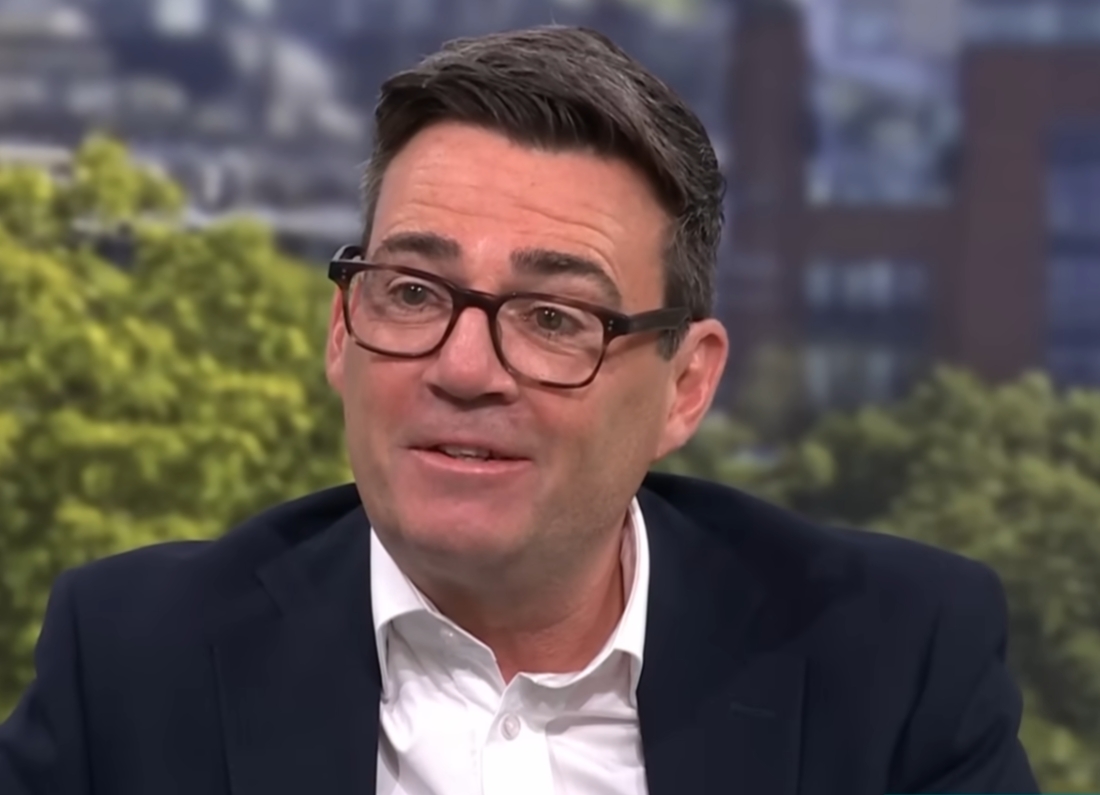
Burnham’s answer was the most personal of the afternoon.
He talked about WASPI women – the women affected by changes to the state pension age who were not properly notified – and made a pointed observation about politicians who campaign on the issue and then drop it. “I feel uncomfortable when politicians were all holding up that sort of banner and then they got into government and didn’t do anything. I stick by the campaigns that I support.”
Then he talked about his daughters.
“I remember talking to my own daughters about how they felt every day, and some of the experiences they had. And all the commentary in the media was, ‘Oh, women should walk this way home, or carry this with them.’ And they’d say, ‘Why? It’s not on us. You should focus on who the cause of the problem is.'”
He described the “Is This Okay?” campaign he launched in Greater Manchester following the murder of Sarah Everard – a campaign that challenged men and boys about everyday behaviour that makes women and girls feel unsafe. “I’m proud to have done that, and that is about enforcing women’s right to be safe.”
The students in the room left talking about Burnham. Thursday will tell us whether the rest of the constituency did too.
You can watch it below:






Leave a Reply