

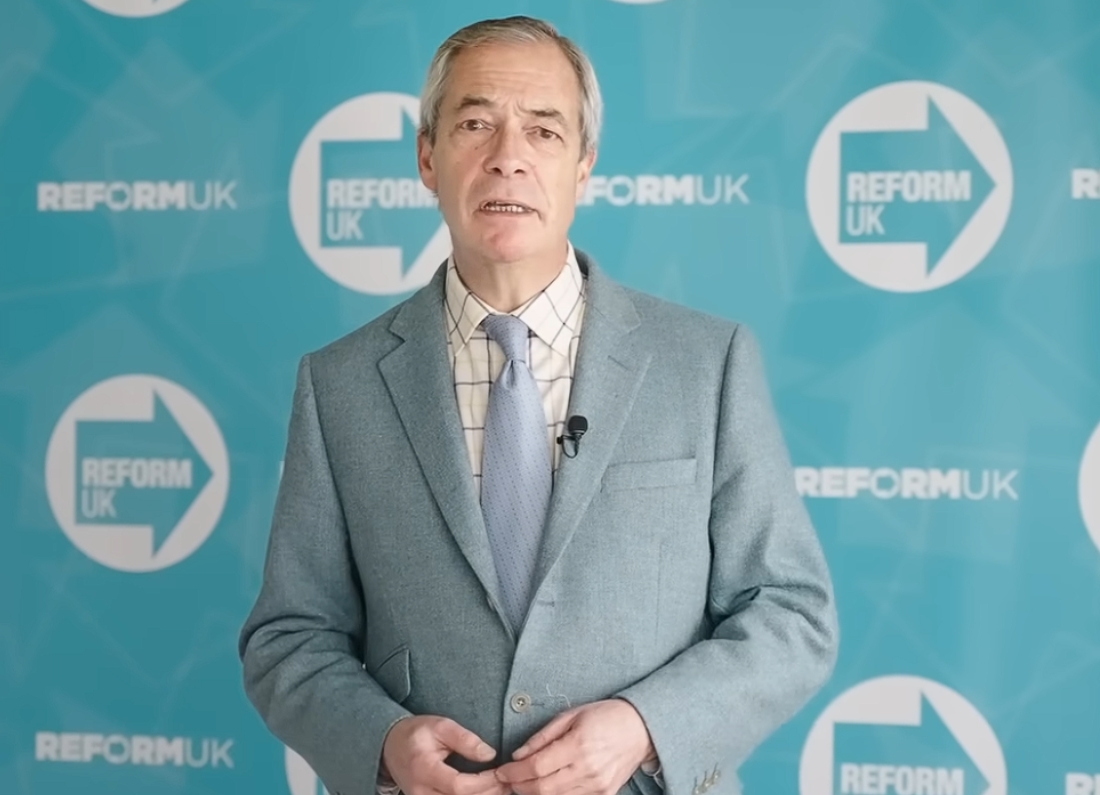
Nigel Farage breached parliamentary rules 17 times after repeatedly registering payments and outside earnings late, the Commons standards commissioner has concluded, in a finding that lands as Reform UK tries to present itself as a clean break from Westminster norms.
The Reform leader acknowledged and apologised for the breaches, blaming administrative failures inside his office, and the commissioner decided the matter did not need to be escalated to the Committee on Standards.
🧾 What the watchdog actually found
The parliamentary rules require MPs to register certain financial interests within a set time limit. In Farage’s case, the commissioner found a pattern of late entries across multiple payments, adding up to more than £380,000 in declared sums which were not logged within the deadline.
According to the report as covered by The Times, one example included a large payment linked to his broadcasting work at GB News which was received in late August but not declared until early October, with several GB News-related entries ultimately recorded late.
The commissioner’s conclusion matters because it isn’t about whether an MP can earn outside income – it’s about transparency, and whether the public can see who is paying their elected representative, and when.
📺 The bigger issue: second jobs, influence, and trust
The timing is awkward for Reform because it collides with a wider political debate about MPs’ outside earnings and whether Parliament’s rules are strong enough – especially when media contracts, paid appearances, and commercial endorsements can create perceived conflicts of interest even when properly declared.
Farage’s commercial profile has been unusually prominent for a serving MP, and his interests have previously included arrangements linked to firms he has promoted publicly – including a high-value relationship with gold supplier Direct Bullion which has drawn scrutiny in the past.
That wider context is why “late registration” stories cut through: voters often read them as a proxy for whether politicians take basic standards seriously, not as a niche admin error.
🗂️ Farage’s explanation: “admin error” and a “complex” set of interests
Farage apologised and accepted responsibility, telling the commissioner the failures were not malicious and were caused by administrative mistakes in his office, while stressing his financial interests were complicated compared with most MPs.
As reported, the commissioner accepted the breaches were inadvertent and linked to staffing and administrative issues – but still recorded them as breaches.
That distinction is crucial: “inadvertent” does not mean “no breach”. It means the watchdog did not believe the late declarations were designed to mislead – but the rules were still broken, repeatedly.
⚖️ Why it wasn’t escalated – and what happens next
In most cases like this, the key questions are whether an MP has corrected the register, whether the failures look deliberate, and whether there is a wider pattern that merits stronger sanction.
Here, the commissioner chose not to refer the case to the Committee on Standards, indicating the issue could be resolved through acknowledgement, apology, and commitments about future compliance rather than parliamentary punishment.
Politically, that still leaves Farage exposed to an obvious line of attack: he markets himself as the anti-establishment alternative, but the watchdog’s ruling is a reminder that even “outsiders” are expected to meet the same basic transparency standards as everyone else.
🗣️ The political fallout: Labour moves in fast
Labour seized on the ruling to argue that Farage is distracted by media work and party manoeuvring while failing to meet the standards voters should expect from their MP – a familiar attack line that blends “second jobs” with competence and priorities.
Expect other parties to follow a similar script: not “he shouldn’t earn”, but “if you’re going to earn, declare it properly and on time – every time”.
You may also like: Wales considers ban on politicians lying during elections






Leave a Reply