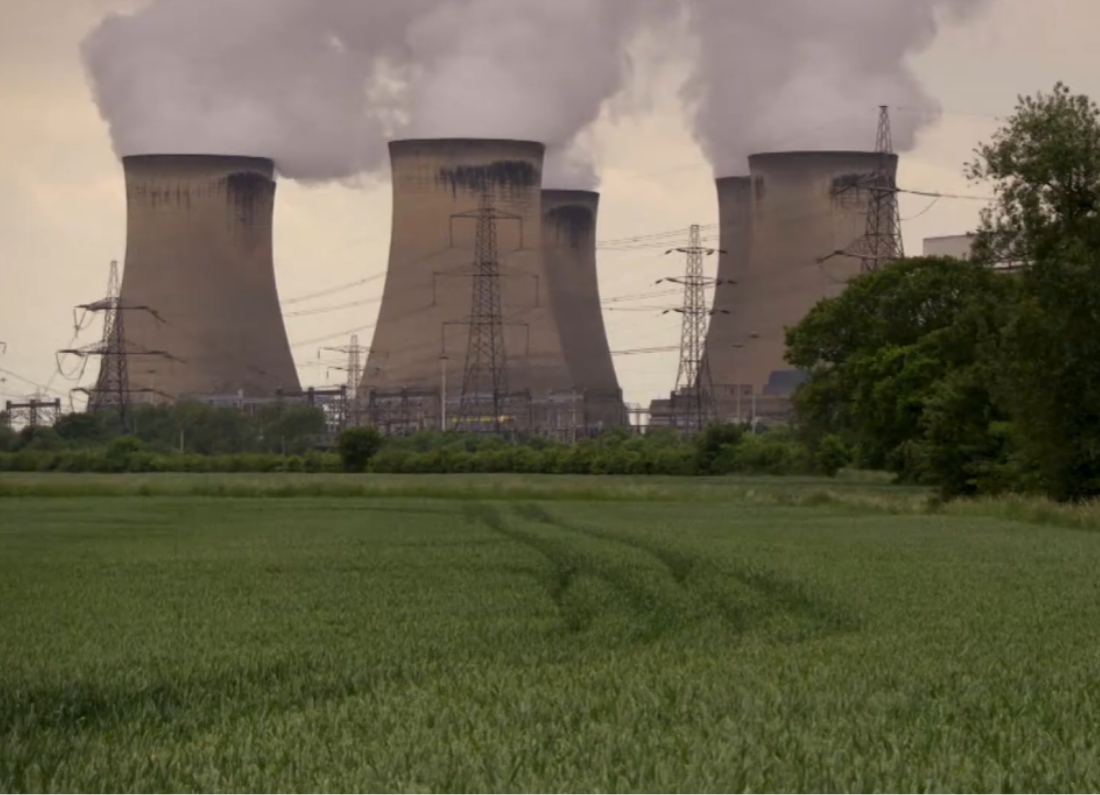
The owner of the Drax power plant in North Yorkshire received a record £999 million in renewable energy subsidies for burning wood pellets in 2025 – equivalent to £2.7 million a day taken from British energy bills – as the total amount the company has claimed in public subsidies since 2012 reached approximately £8.7 billion, according to new analysis by climate thinktank Ember.
The company generated approximately 4.5% of Great Britain’s electricity from its biomass plant last year, with the near-£1 billion payout costing each household £13 annually. The record figure was achieved partly by increasing power generation by around 2% from the year before, but mostly due to rising payouts from a legacy renewables support scheme that critics have long argued is paying the company far above what is justified.
The revelation arrives against a backdrop of sustained and serious controversy about whether Drax’s wood pellets are actually as green as the company claims – a question that has now been the subject of a regulatory investigation, a court case, parliamentary scrutiny and multiple investigations by journalists.
The sustainability controversy
The central allegation against Drax – the one that has followed the company for years and refuses to go away – is that the millions of tonnes of wood pellets burned at its North Yorkshire plant are not sustainably sourced, and that burning them may be increasing carbon emissions rather than reducing them.
Drax’s business model rests on the claim that its Canadian subsidiary uses only low-value waste wood from sustainably managed forests. A Guardian investigation published last November found that forestry experts believed the company was burning 250-year-old trees sourced from some of Canada’s oldest forests as recently as last summer.
The concerns about old-growth forest sourcing were first raised in 2022. At the time, Drax publicly denied the allegations. But court documents disclosed earlier this year – when the company’s former chief lobbyist took Drax to an employment tribunal alleging he was sacked after raising concerns internally – revealed that senior staff had raised concerns about the company’s public statements at the time.
The tribunal documents showed the lobbyist had alleged internally in 2022 that the company was “misleading the public, government and its regulator” about the sustainability of its imported pellets. Drax reached a settlement with the employee “without admission of liability.”
Following those “explosive” disclosures, a cross-party group of 14 MPs and peers wrote to energy secretary Ed Miliband calling on him to halt Drax’s subsidies while the financial watchdog investigated the company’s “historical statements.”
What the regulator found
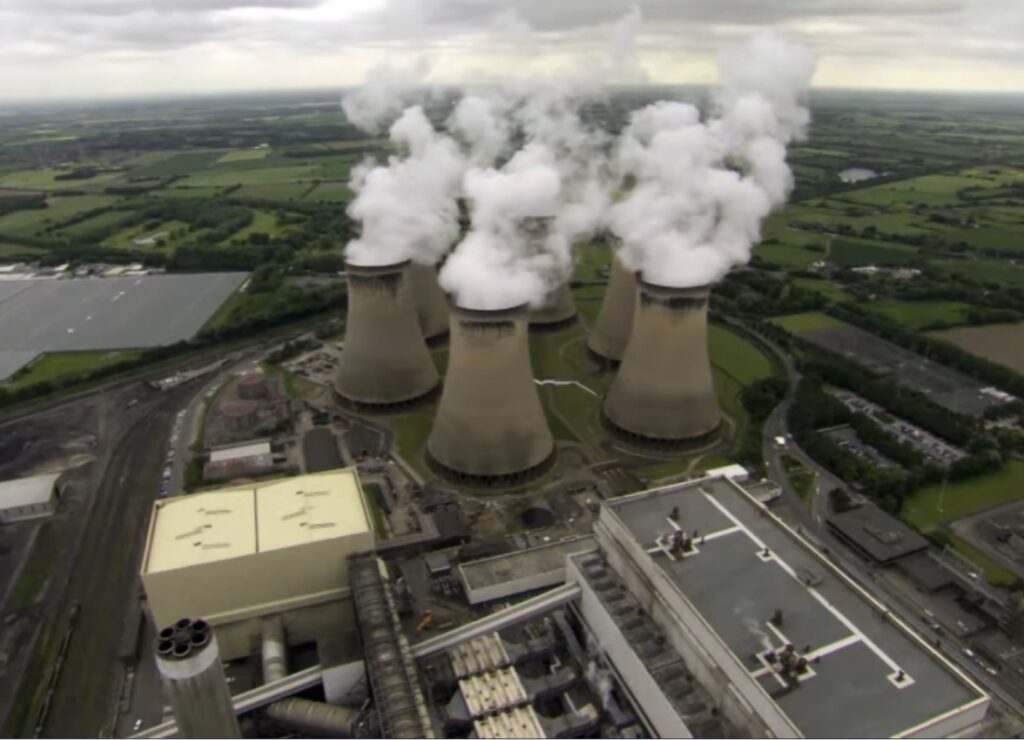
Drax argues that the sustainability allegations have been investigated by Ofgem – the energy industry regulator – which did not find evidence of deliberate misreporting of sustainability data. However, the regulator’s 16-month investigation did find “an absence of adequate data governance and controls” at the company. Drax agreed to pay £25 million in compensation for that breach.
A £25 million penalty against a company that received £999 million in subsidies in a single year amounts to 2.5% of one year’s public payout. Critics argue that it does not constitute a serious deterrent.
What happens next
The government has already moved to reduce Drax’s subsidy entitlement, having halved the payments available under a new contract that will run from next year until 2031. Under the new arrangement, Drax will only be required to provide power when it is “really needed” rather than operating as a baseload generator.
The new contract also requires Drax to source its woody biomass from 100% sustainable sources – up from the current level of 70% – with “substantial penalties” threatened if it does not comply. Drax has separately said it will stop burning trees from British Columbia entirely before the new subsidy regime takes effect.
The company is also reviewing the future of its Canadian biomass pellet production business entirely.
Frankie Mayo, the author of the Ember report, said: “While it’s a relief these overly generous payments will halve from 2027, British taxpayers should never have been in this position in the first place. Nearly £1bn for woody biomass burning is an astonishing high-water mark for public subsidies – and a problematic one as prices soar.”
Drax’s defence
Drax has consistently defended its position. A company spokesperson said its North Yorkshire plant generated a record 15 terawatt hours of electricity in 2025, “keeping the lights on for millions of homes and businesses, no matter the weather.”
The company argues that replacing its 2.6 gigawatt capacity with new nuclear reactors or gas plants would require billions in capital investment. It also claims the plant will save £3.1 billion between 2027 and 2031 compared with running a gas-fired power plant.
The bigger picture
The Drax story raises questions that go beyond a single company’s conduct. Britain has paid approximately £8.7 billion in renewable energy subsidies to a single power plant over 13 years on the basis that burning wood is a renewable and low-carbon energy source – a classification that many scientists and climate experts dispute.
The classification rests on the theory that the carbon released when trees are burned will be reabsorbed by new trees over subsequent decades. Critics argue that this accounting treats long-term atmospheric carbon as if it does not exist in the near term – a critical flaw when the climate crisis demands rapid reductions in emissions now, not theoretical reductions over a century.
At a time when British households are already paying hundreds of pounds more on their energy bills as a direct consequence of the Iran war’s disruption to global energy markets, the revelation that £999 million was taken from those same bills in a single year to pay a company whose sustainability credentials remain deeply contested is a political and economic argument that is unlikely to go away.
You may also like: Minister confirms government has planned for summer food shortages amid Iran war – as CO2 crisis threatens chicken, beer and healthcare supplies