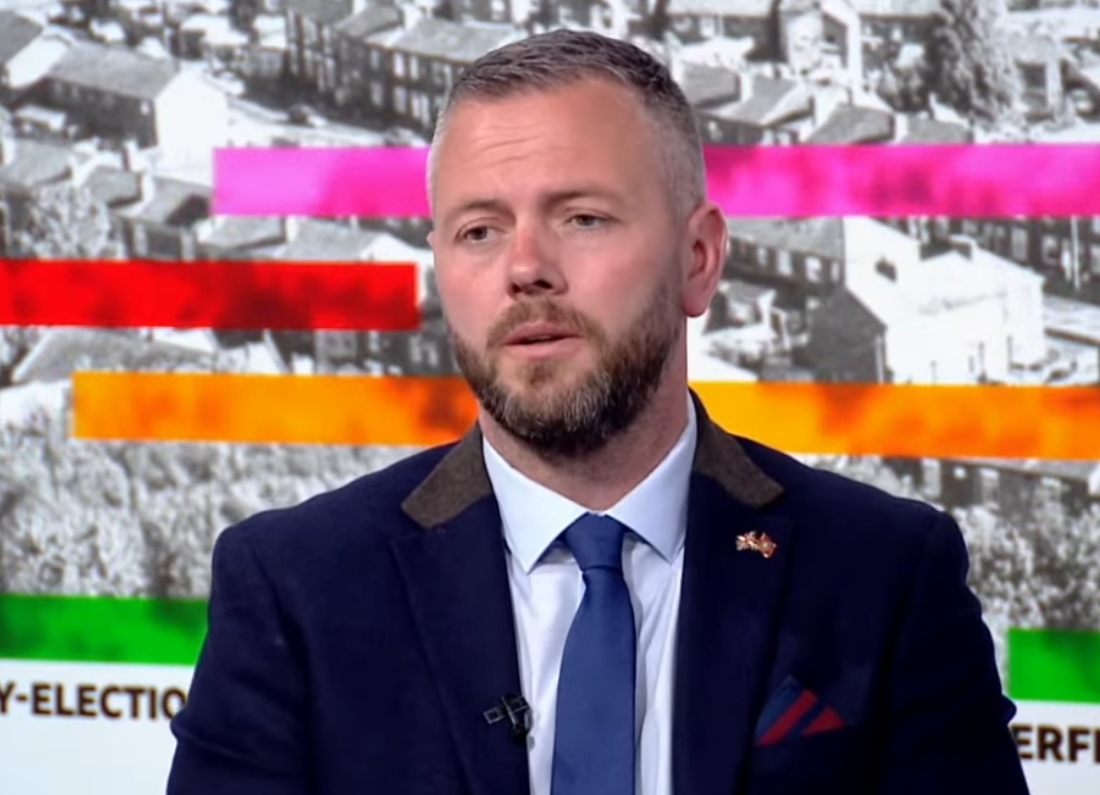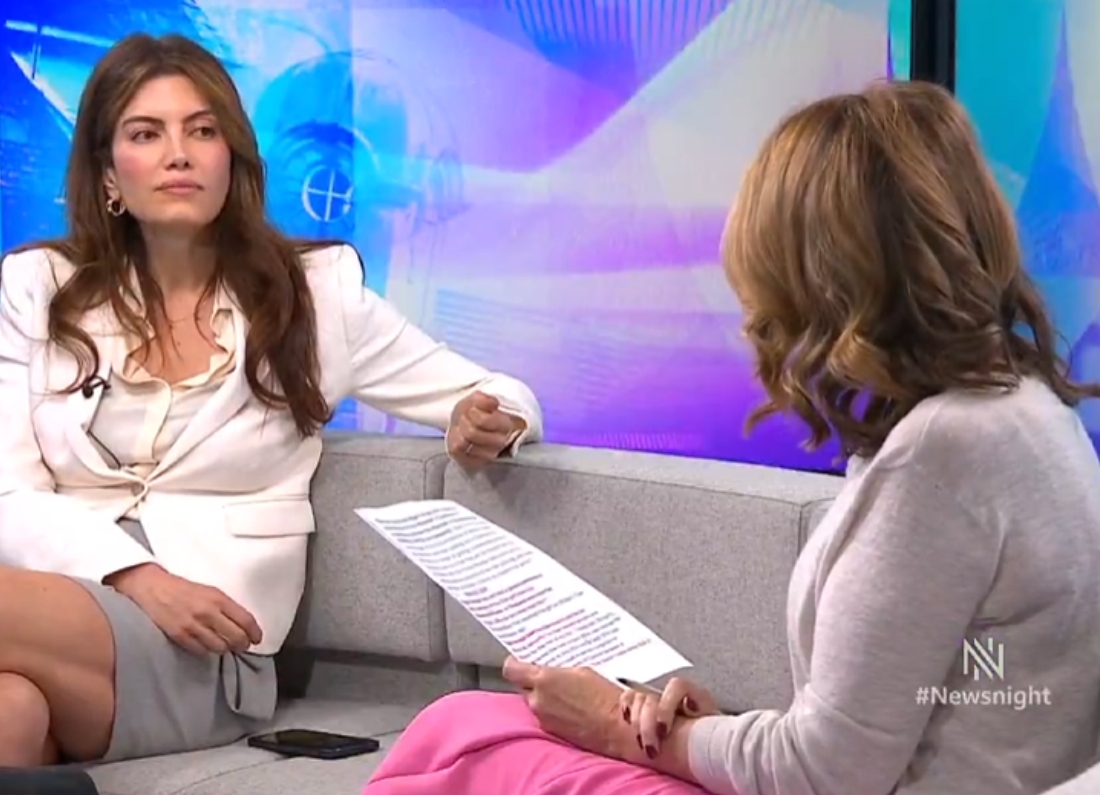
Eurosceptic campaigners and MPs are mobilising opposition to the government’s forthcoming EU reset bill, which is expected to form a central part of the King’s Speech on 13 May and would allow ministers to adopt European Union single market rules through secondary legislation – bypassing the full parliamentary scrutiny that primary legislation requires.
The legislation has been in preparation since the UK-EU summit last May, at which Starmer and EU leaders agreed a “strategic partnership” aimed at closer trade and security ties. It gained new urgency following the Iran war, which the government has cited as evidence that Britain requires stronger relationships with its European partners given the instability of its relationship with Washington.
What the bill would do
The bill’s central mechanism – so-called Henry VIII powers, named after a 1539 law that allowed the monarch to rule by decree – would allow the UK to “dynamically align” with EU single market rules in areas where deals have been agreed, through secondary legislation rather than full parliamentary bills.
In practice, this means Parliament can either approve or reject proposed alignments but cannot amend them. Critics argue this amounts to MPs rubber-stamping EU rules without meaningful debate. The government argues it is an unavoidable trade-off given the nature of how the EU sets regulations – they are produced continuously, and requiring a full Act of Parliament for each change would make alignment practically unworkable.
Professor Catherine Barnard, Professor of European Law at the University of Cambridge, noted that when the UK joined the EU in 1972, the European Communities Act contained similar Henry VIII powers to implement EU directives – and that the European Union Withdrawal Act used to deliver Brexit itself contained “massive Henry VIII powers.” “We will be rule takers. There’s absolutely no doubt about that,” she said. “But the trade-off is that the government takes a view that by being closer, this will be good, both economically and strategically.”
The government says the legislation will enable a food and drink trade deal worth £5.1 billion a year and slash red tape for British farmers, producers and businesses. It insists Parliament will retain a formal role in approving new EU laws under deals made, and that any new treaties will face parliamentary scrutiny.
The Brexiteer response
Leading Eurosceptics are preparing to contest the legislation, with a major Westminster conference planned for next month bringing together figures from the 2016 Leave campaign.
Lord Matthew Elliott, the former chief executive of Vote Leave, framed the coming period as a defining political battleground. Speaking on a podcast, he said he anticipated the next general election would present voters with a clear choice between parties favouring closer EU alignment and those committed to maintaining greater independence from Brussels.
“If you want to be out of the EU and make the most of the opportunities, you vote Conservative or Reform,” he said. “If you’re more for wanting to rejoin the EU in some form, it’s a vote for Labour, the Lib Dems, Greens, SNP – all of whom, in different forms, have talked about alignment, reset, customs union, single market, full rejoin.”
Sir John Redwood, who is due to speak at the conference, called on fellow Brexiteers to set out a “positive vision” for Britain outside the EU’s regulatory orbit. He warned that the reset threatened trade deals the UK had negotiated with India, the Pacific Partnership and Australia, and argued that Brexit freedoms – including the ability to remove carbon taxes and innovate in medicines and agriculture – were at risk.

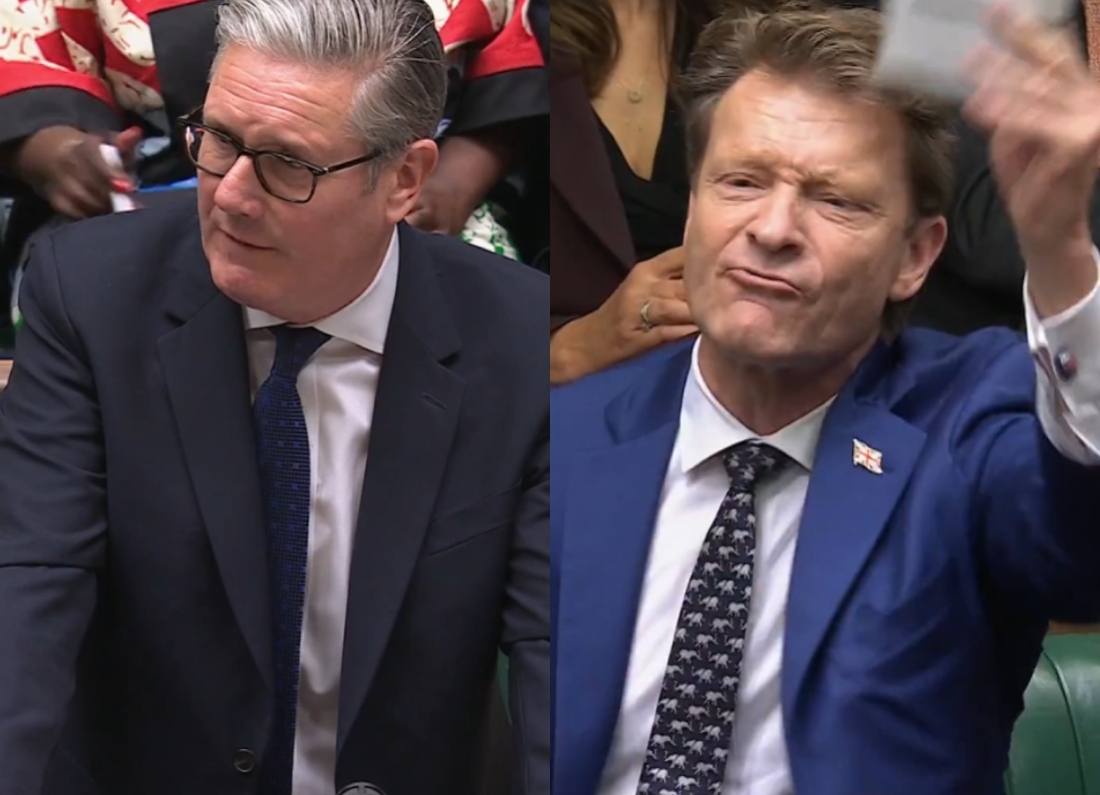
Richard Tice, Reform UK’s deputy leader, called the plan “outrageous” and promised his party would “reverse such a betrayal” if it won power. Shadow business secretary Andrew Griffith said: “Parliament reduced to a spectator while Brussels sets the terms is exactly what the country rejected.”
The government’s argument
Starmer has made the economic case for the reset explicitly, telling the BBC that “a stronger, closer relationship with Europe is in the UK’s best interest, particularly in a world that is as volatile as it is at the moment.”

Health Secretary Wes Streeting offered a blunter assessment: “The greatest betrayal of Brexit was the lies that were told to people about all the benefits.”
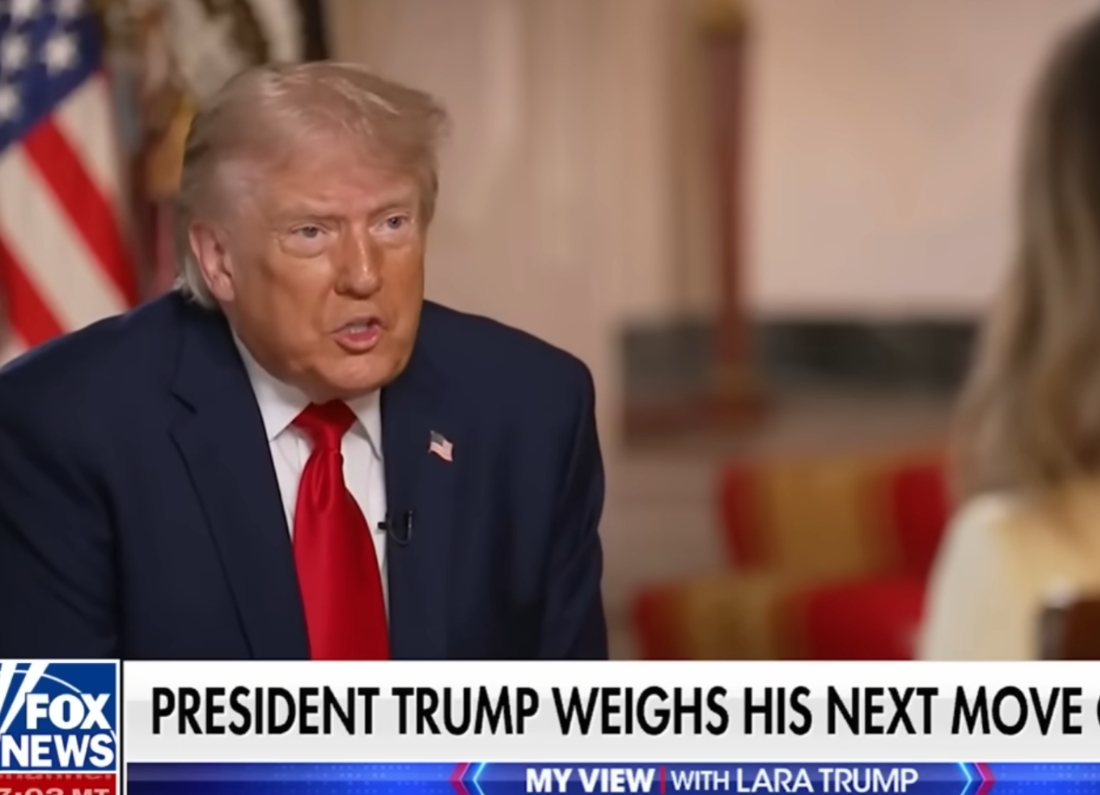
The Iran war has sharpened the government’s argument. With Trump threatening to rip up the UK-US trade deal, comparing Starmer to Neville Chamberlain and calling the special relationship “sad,” ministers argue that economic diversification toward the EU is not merely desirable but strategically necessary. The EU remains Britain’s largest trading partner, accounting for nearly half of all UK trade.
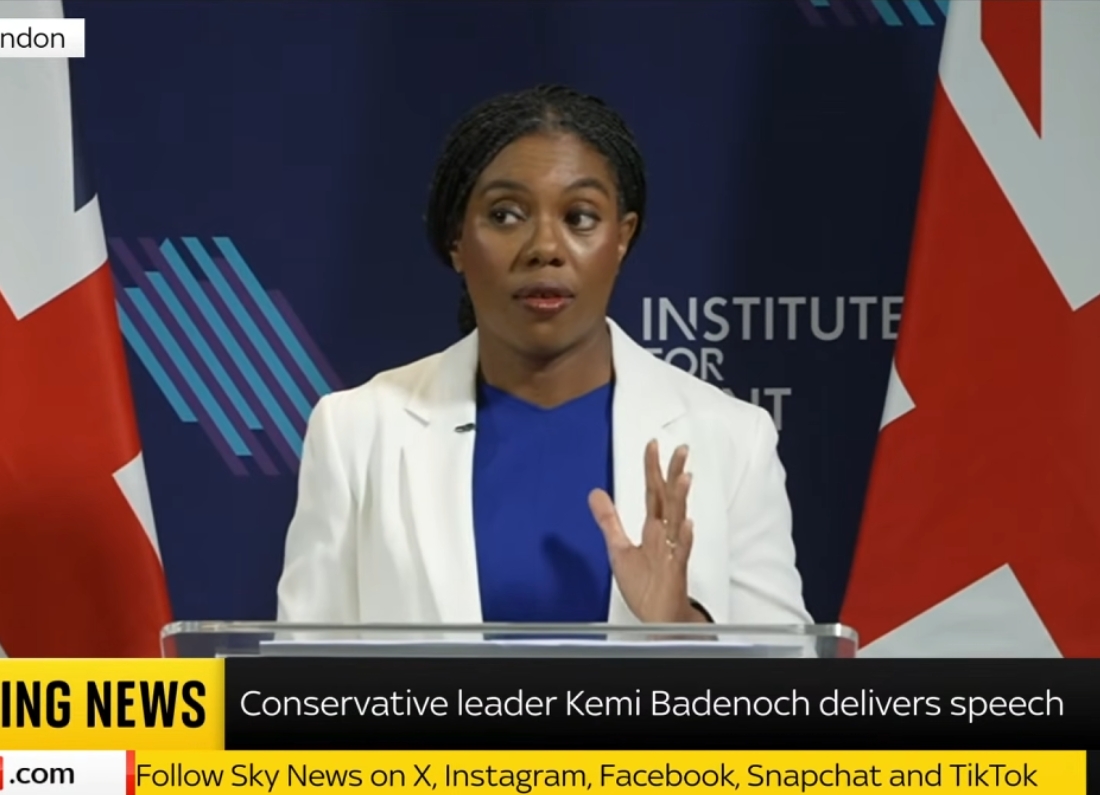
Conservative leader Kemi Badenoch told LBC the approach would be “the worst of both worlds.” She said: “We’re not in the EU where we can have a say, but we’re still taking the rules and we’re not using our sovereignty.”
The “Farage clause” – and the legal complexity
One specific point of contention is a proposed termination clause in the reset agreement – dubbed the “Farage clause” – which could require the UK to pay the EU compensation potentially running to billions of pounds if a future government chose to unravel the deal. The UK is currently resisting agreeing to such a clause.
Christopher Howarth, a former European Research Group figure now at the Centre for a Better Britain, argued that if both Reform and the Conservatives publicly committed to renegotiating or scrapping the reset, the EU might think twice about investing diplomatic energy in a deal that could be unwound by the next government. “That might make the EU go cold on the whole idea. That’s the only real chance of stopping this,” he said.
The public opinion context
The Brexiteer mobilisation is taking place against a dramatically shifted polling landscape. More in Common polling found that 65% of Britons would now vote to rejoin the EU if given the opportunity – a figure that includes majorities among age groups who supported Leave in 2016. Among 18-25 year olds, the figure is above 80%.
That shift has not translated into a political consensus for full EU membership – none of the main parties currently advocate rejoining – but it has created a context in which the government can argue that a closer relationship with the EU is broadly in step with public opinion, even if the specific mechanism of secondary legislation is contested.
Whether the King’s Speech bill can navigate the House of Lords – where the government does not have a majority and where constitutional lawyers have already raised concerns about parliamentary scrutiny – is a separate question. The Brexiteers’ best opportunity may lie not in the Commons, where Labour’s majority holds, but in the upper chamber, where the bill could face significant amendment pressure.
You may also like: EU petition to suspend Israel trade deal passes one million signatures – the fastest ever