


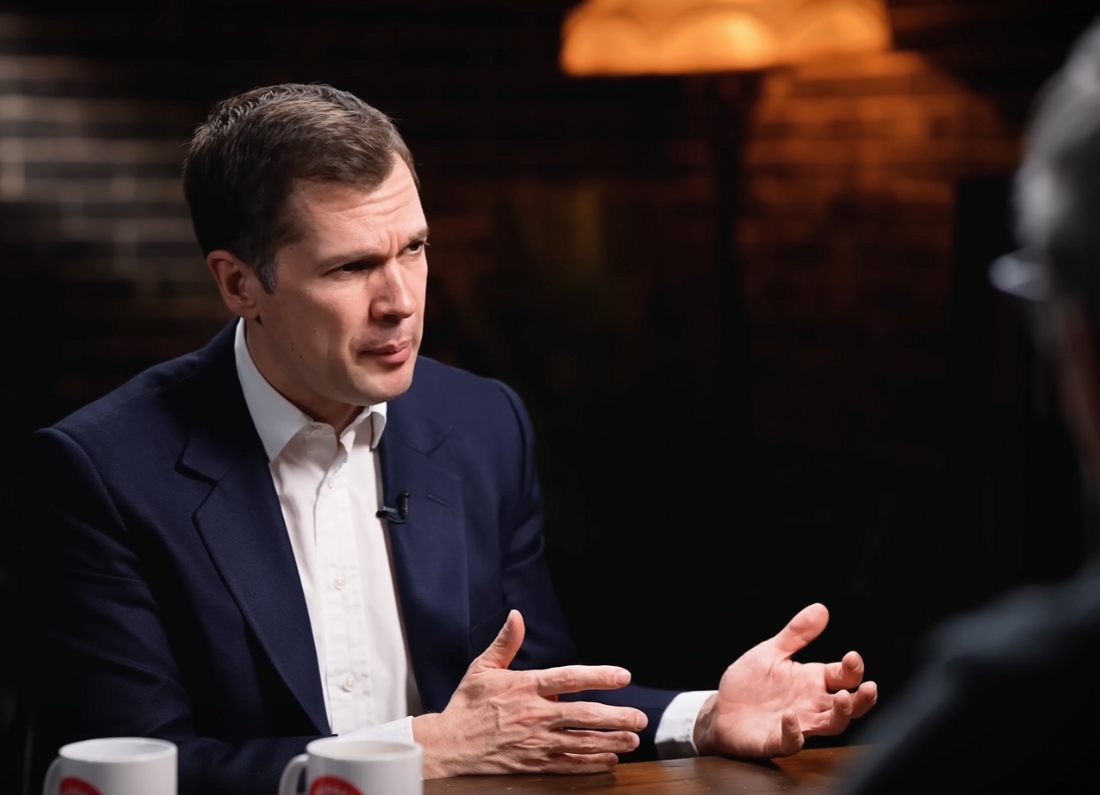
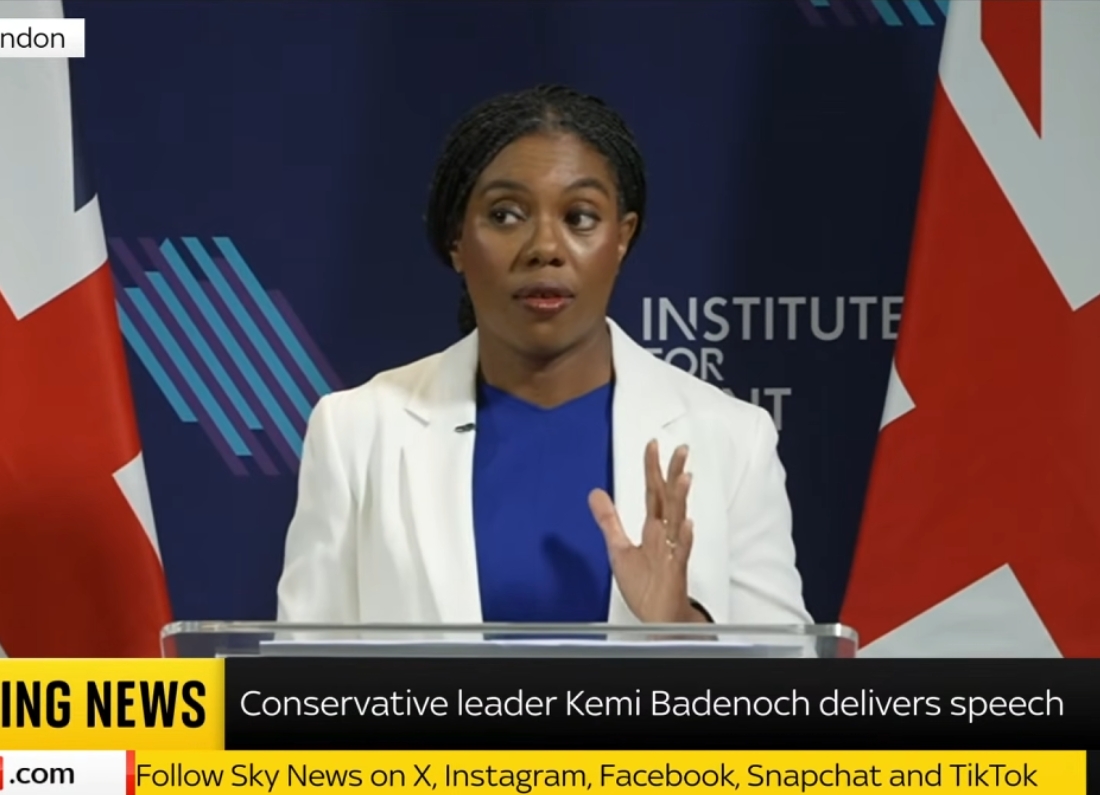
Kemi Badenoch has sacked Robert Jenrick from the Conservative shadow cabinet and suspended his party membership after being presented with what she described as “clear, irrefutable evidence” that he was secretly planning to defect to Reform UK.
The Conservative leader announced the decision on Wednesday, removing Jenrick from his role as shadow justice secretary and withdrawing the party whip with immediate effect. The move represents one of the most serious internal crises faced by the Conservatives since their 2024 general election defeat.
Jenrick, who narrowly lost to Badenoch in the 2024 Conservative leadership contest, has not publicly denied the allegations.
🧾 Badenoch cites ‘irrefutable evidence’
In a statement posted on X, Badenoch said the decision followed evidence that Jenrick had been planning his defection in a way intended to cause maximum damage to the party.
“I have sacked Robert Jenrick from the Shadow Cabinet, removed the whip and suspended his party membership with immediate effect,” she wrote. “I was presented with clear, irrefutable evidence that he was plotting in secret to defect in a way designed to be as damaging as possible to his Shadow Cabinet colleagues and the wider Conservative Party.”
She added that the public was “tired of political psychodrama”, referencing instability during the Conservatives’ final years in government and warning against repeating those mistakes in opposition.
⚖️ A major rupture inside the Conservative Party
Jenrick’s removal marks a significant escalation in tensions within the Conservative Party as it struggles to stabilise after losing power. As a former cabinet minister and prominent figure on the party’s right, Jenrick was widely viewed as a bridge between traditional Conservatives and voters tempted by Reform UK.
His suspension suggests Badenoch is willing to take a hard line against any attempt to undermine party unity, even at the cost of alienating senior figures who command media attention and factional support.
The Conservative Party has not released further details about the evidence cited, and no disciplinary timetable has been announced.
🗣️ Farage admits talks but denies imminent defection
Reacting to the news at a press conference in Scotland, Reform UK leader Nigel Farage said he was “very surprised” by Badenoch’s decision but confirmed he had spoken with Jenrick.
“I never reveal private conversations with anybody,” Farage said. “I’ve had conversations with a number of very senior Conservatives over the last week and over the last month.”
He argued that many Conservatives believe the party faces electoral collapse outside parts of England, particularly in Scotland, Wales and former “Red Wall” council areas.
“As far as Mr Jenrick’s concerned, of course I’ve talked to Robert Jenrick,” he added. “Was I on the verge of signing a document with him? No. But have we had conversations? Yes.”
Farage suggested further discussions with Jenrick could take place, but stopped short of confirming any formal move.
📽️ Past Farage comments resurface
The unfolding row has been complicated by the resurfacing of a video from August last year in which Farage strongly criticised Jenrick during protests outside a hotel housing asylum seekers in Epping.
In the clip, Farage accused Jenrick of hypocrisy over immigration policy during his time as a Conservative minister.
“When he was immigration minister just a couple of years ago it was very, very different,” Farage said at the time. “He was boasting that he was going to open more migrant hotels than all the ministers that went before him.”
Farage went on to claim that hotel accommodation for Channel migrants expanded significantly during Jenrick’s tenure, concluding: “My advice to you would be to say this man is a fraud, this man is not to be trusted, and certainly his party aren’t either.”
The remarks underline the political awkwardness facing Reform if it were to welcome Jenrick, given Farage’s previous attacks.
🔎 Wider implications for the right
The episode highlights growing instability on the British right as the Conservatives attempt to rebuild while Reform continues to exert pressure by courting disaffected MPs. Badenoch’s decision may deter future defections, but it also risks accelerating the perception of a fractured opposition competing for the same voters.
For Reform, the controversy reinforces its growing influence but also raises questions about whether it can absorb former Conservative figures without undermining its outsider appeal.
Neither Jenrick nor Reform UK has confirmed any formal defection. The situation remains fluid.





Leave a Reply