

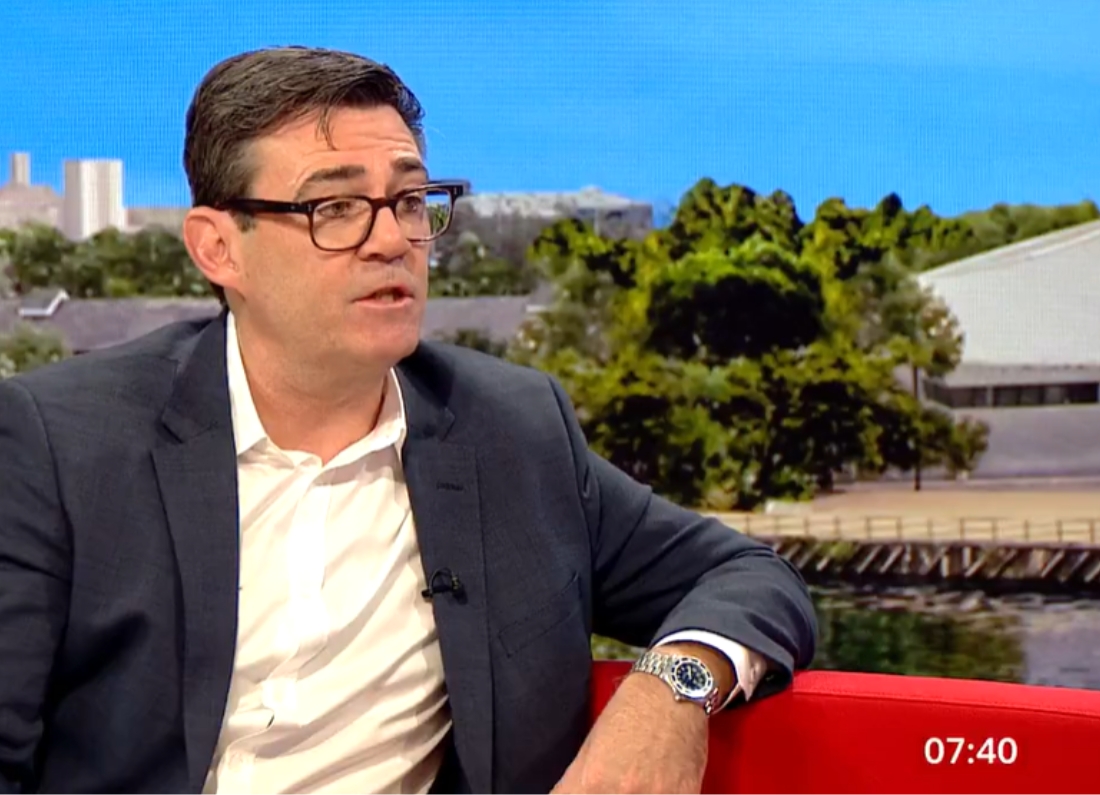
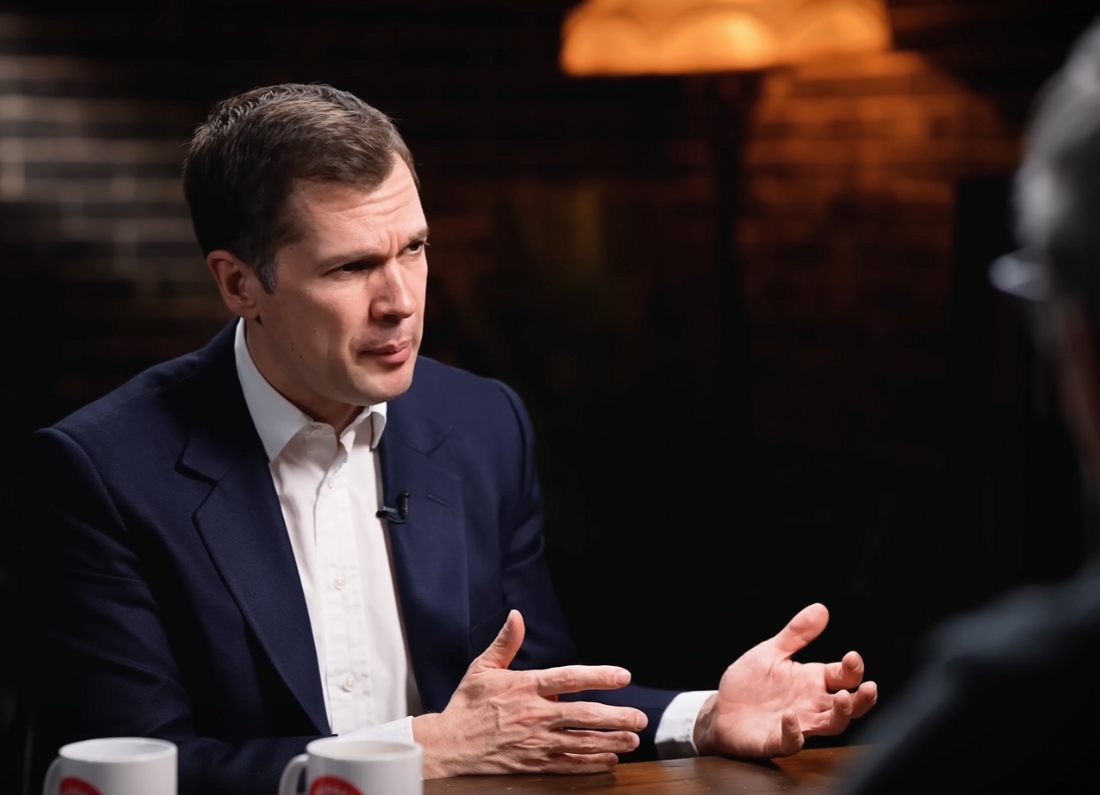
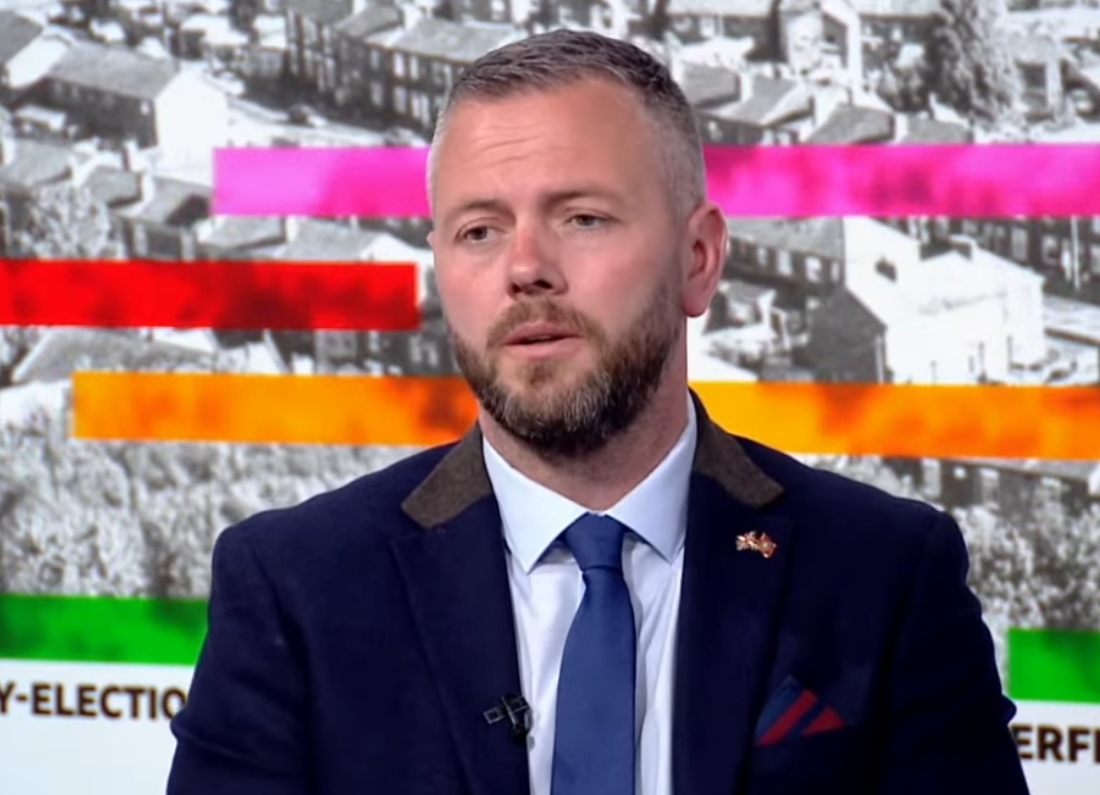
Andy Burnham has moved to re-enter frontline Westminster politics after announcing he intends to stand in the Gorton and Denton by-election, a decision that would set up a high-profile return to Parliament for the Greater Manchester mayor and trigger a fresh bout of Labour infighting over candidate control.
Burnham said on Saturday that he had written to Labour’s National Executive Committee (NEC) to seek permission to enter the selection process for the seat, which has been vacated after the sitting Labour MP, Andrew Gwynne, resigned on health grounds.
The mayor framed his move as a response to a contest he said “nobody wanted or expected”, describing the by-election as a moment to “mount the strongest possible defence of what we stand for”. Burnham also argued that Greater Manchester faced “a direct threat” from a divisive “brand of politics which seeks to pit people against each other”, presenting the vote as a test of the “Manchester way”.
If Burnham is allowed to stand and then wins, he would be required to step down as mayor, prompting a separate Greater Manchester mayoral by-election. That potential double-election scenario has fed internal Labour anxiety about cost, timing, and political risk – and has helped explain why some party figures are reported to be mobilising against his candidacy.
Burnham seeks NEC sign-off as selection battle begins
The immediate hurdle is internal. Burnham has applied to the NEC for permission to seek Labour selection, but the party’s leadership retains the ability to block a bid by refusing sign-off. The Guardian reported that the NEC – where the balance of power is closely watched – could still prevent him from entering the selection contest, with concern among some Starmer allies that a Commons return could strengthen a future leadership challenge.
Burnham has been open in the past about his ambition to lead Labour, though he has repeatedly insisted his focus as mayor is on delivering for Greater Manchester. The latest manoeuvre has nonetheless been widely interpreted in Westminster as a significant strategic step: returning as an MP would place him back in the parliamentary arena, where leadership dynamics and media attention are more intense.
Senior Labour figures urge local members to decide
The announcement quickly drew supportive interventions from prominent Labour politicians who argued the decision should rest with local party members rather than being controlled centrally.
Lucy Powell, Labour’s deputy leader, said on Saturday that whether Burnham should stand “should be up to Andy and the local members”, emphasising that party members selecting their candidate should be trusted to make the judgement.
London mayor Sadiq Khan also backed Burnham’s right to run, telling a centre-left conference in London: “If Andy Burnham wants to be a member of parliament, he should be allowed to be a member of parliament.”
Ed Miliband, a cabinet minister, welcomed Burnham’s bid in remarks reported from the Fabian Society conference, praising the mayor’s record and saying he would be “a massive asset” in Parliament – while stressing loyalty to Prime Minister Keir Starmer and urging the party to focus outward rather than on internal rivalry.
Those comments underline a central tension: Burnham is popular with many activists and northern Labour MPs, but his profile and independence have long been viewed with suspicion by parts of the party machine. The question for Labour now is whether blocking him looks like defensive “control” at a time when the party needs energy and unity – or whether allowing him in risks amplifying internal leadership chatter.
Why this by-election matters for Labour nationally
Gorton and Denton is a seat Labour would normally expect to hold comfortably. However, the contest is unfolding against a volatile political backdrop, with reformist and insurgent parties attempting to translate national frustration into local breakthroughs.
The Guardian and other outlets have reported that Labour faces increased competition from Reform UK and the Green Party in the area, meaning a campaign that should be routine could become a national story, especially with Burnham’s name on the ballot.
Burnham has sought to frame the by-election as a fight over values and community cohesion. Supporters believe his personal brand and regional profile could help Labour run a more dynamic defence than a lower-profile candidate, and they argue his campaigning record and public recognition could limit damage if the race tightens.
But critics inside Labour point to the risks. A high-profile contest increases scrutiny, and the opposition would likely attempt to turn the election into a referendum on national Labour leadership, local public services and perceptions of political competence. If Burnham were selected and then won, Labour would face a second electoral test across Greater Manchester to replace him as mayor – opening another front for rivals.
What happens next: selection, campaign, and the mayoralty question
The selection process is expected to move quickly. Burnham has already lodged his request to the NEC, and party officials will now determine whether he is permitted to be considered and, if so, how the local selection contest is structured.
If he is blocked, Labour risks a backlash among members and regional figures who view him as a strong candidate. If he is allowed to run and then wins the selection, the campaign would immediately attract national attention, with rivals trying to portray him either as a unifier defending Labour’s heartlands or as a politician manoeuvring for personal advancement.
For Burnham, the stakes are also practical. Winning would require him to leave a powerful executive role in Greater Manchester. Burnham said in his letter that he had weighed the decision against his responsibilities to the city region and indicated he would give his all to defending Labour’s position both in the parliamentary by-election and any subsequent mayoral contest.
For Labour, the coming days will be about controlling the narrative: whether this is presented as a straightforward local decision, a boost to the parliamentary team, or a sign of instability at the top. With senior figures publicly urging openness and local choice, the NEC’s judgement will be closely watched not only in Manchester, but across a party wary of another internal drama cycle.
You may also like: UK by-elections explained: what happens when MPs defect

Leave a Reply