

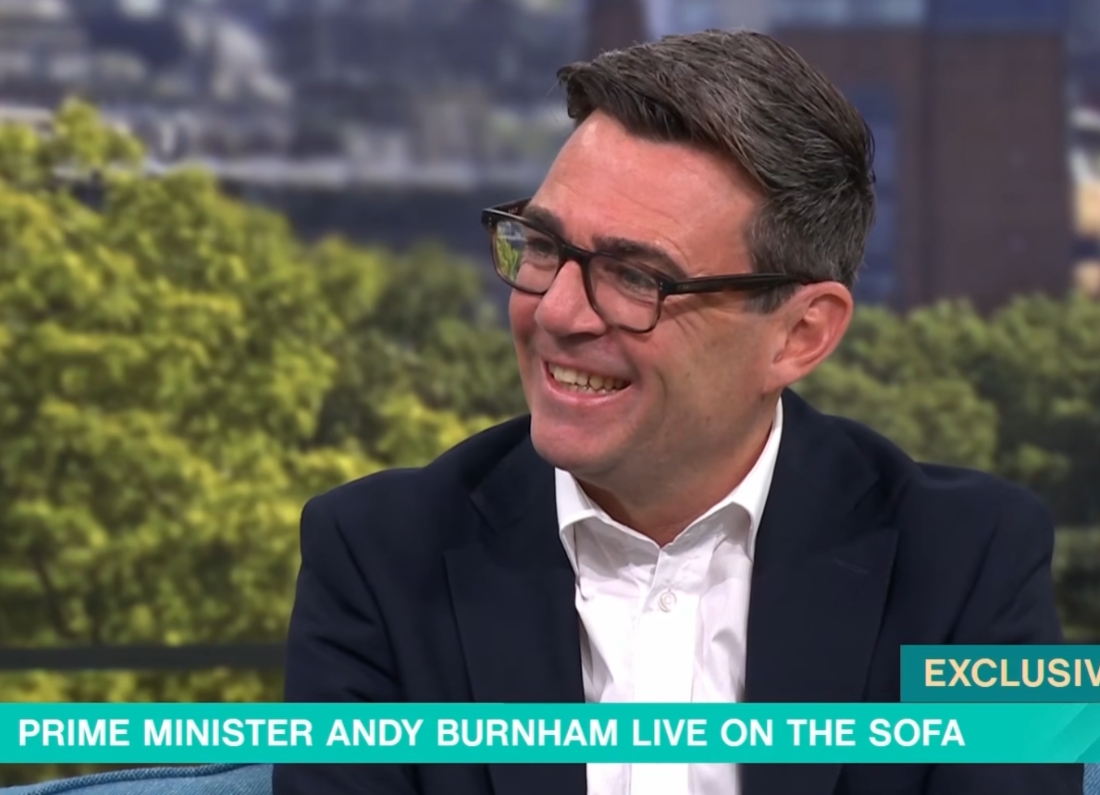
Andy Burnham has been urged to take Britain back into the EU single market under a new post-Brexit deal that one former Conservative minister says could help Labour win the next election outright.
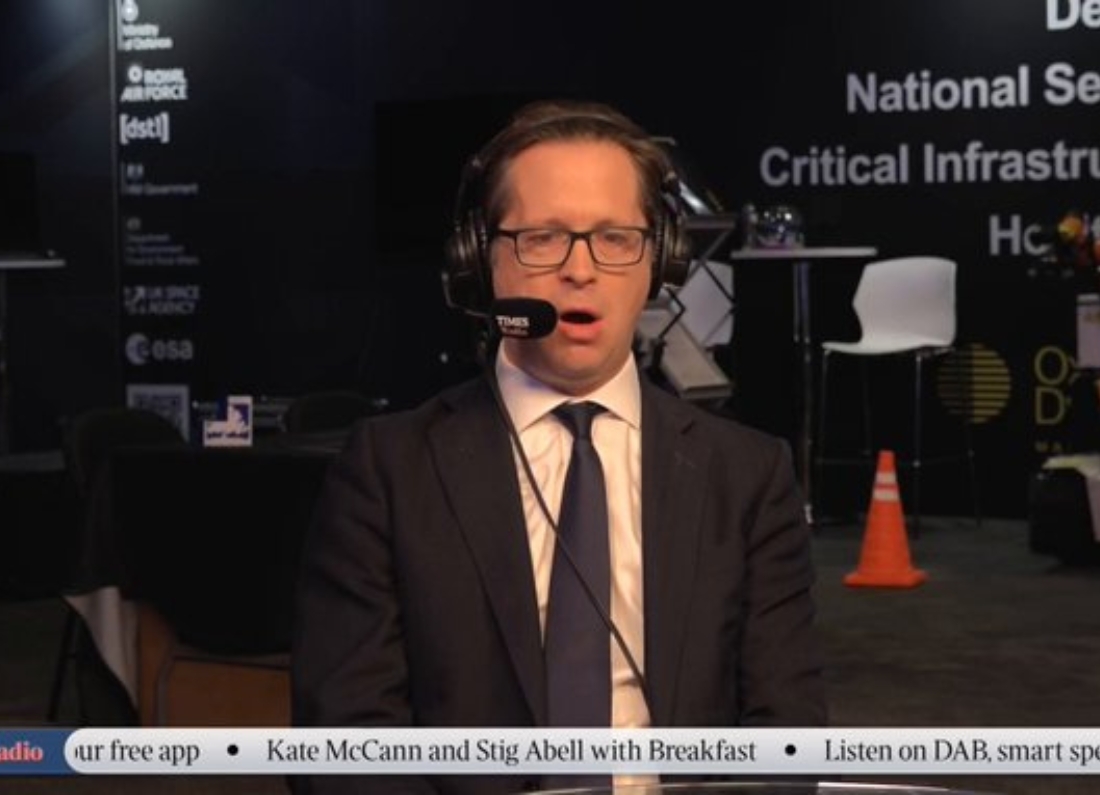
Nick Boles, who served as a minister under David Cameron before leaving the Conservatives over Brexit, has called on Burnham to pursue a new relationship with Europe built around single-market access, defence cooperation and youth mobility. Boles argues the political circumstances around Brexit have shifted sharply since 2016 and believes Burnham now has a genuine opportunity to strike a much closer deal, one he thinks could create a major dividing line with both Reform and the Conservatives. Speaking to The Independent, he called the potential political impact “devastating” for Labour’s opponents.
His plan centres on what he calls a “European Confederation”: Britain regains access to the EU single market without becoming a full EU member, joining the euro, or restoring unrestricted freedom of movement. In return, the UK makes a much bigger commitment to European defence.
What the deal would actually involve
Under Boles’s proposal, Britain would commit to spending 3.5% of GDP on defence and extend the protection of its armed forces and nuclear deterrent more widely across Europe. In return, it gains single-market access through the new European Confederation. The plan also allows greater youth mobility between Britain and Europe. Boles says the arrangement could deliver many of the economic benefits of closer European integration while sidestepping some of the issues that dominated the original Brexit debate.
He’s already set the proposal out in a paper published by cross-party thinktank Demos this month, titled Beyond Brexit: A new deal for Britain, Ukraine and Europe, arguing the security situation facing Europe has changed significantly since the referendum. Boles told The Independent that figures inside Burnham’s government have shown interest: “People are interested. People have asked to have conversations.”
Boles says it could win Burnham the next election outright
Boles believes there’s now enough public support for closer European ties for Labour to make it central to the next campaign, presenting voters with a clear choice between Labour taking Britain back into the single market and Reform or the Conservatives keeping it outside. That divide, he says, could put Labour in a “commanding position.” “It’s a pretty devastating divide. Particularly with public opinion where it currently seems to be with regard to the success or otherwise of Brexit.”
He went further still on Burnham’s potential legacy, saying that if the prime minister could deal with social care and secure a return to the single market, his achievements could rival Tony Blair’s. Former Labour leader Neil Kinnock has also backed the proposal, calling it a “practical approach.”
Polling shows real support for closer EU ties
Recent polling suggests public attitudes toward the EU have genuinely shifted since the referendum. YouGov research cited by The Independent found 59% of Britons support a closer relationship with Europe, against just 20% opposed. Support is strong specifically on the single market too, half of those surveyed said Britain should rejoin it, against 26% opposed.
That doesn’t necessarily mean voters want full EU membership again, and Boles’s proposal deliberately separates single-market access from the wider rejoining question. Britain left the single market at the end of the Brexit transition period in December 2020. Membership requires countries to follow common rules letting goods, services, capital and people move more freely across participating economies. The government hasn’t proposed a return so far.
Burnham has already promised a closer relationship
Burnham’s signalled his government wants to deepen ties with Europe, with Hamish Falconer, the minister handling post-Brexit negotiations, saying earlier this month he wants a “deeper” and “more ambitious” relationship with the EU. The government hasn’t committed to rejoining the single market, though. A spokesperson told The Independent: “We are building an ambitious, close relationship with the EU that will strengthen our economy and create more opportunities for working people and communities across Britain.”
Boles argues Burnham has more room to change direction than Starmer did, whose government maintained several Brexit “red lines,” including ruling out rejoining the single market and customs union. Boles doesn’t think Burnham is necessarily bound by the same approach.
Why Boles says the world has changed since 2016
Boles also points to how much the geopolitical situation surrounding Britain has shifted since the referendum, citing the war in Ukraine and growing concern over European security. He said it was “highly unlikely” Britain would have voted to leave the EU had the international situation in 2016 looked as dangerous as it does now. The proposal deliberately combines economic cooperation with defence, meaning Britain’s military strength, including its nuclear deterrent, becomes part of any negotiation over a closer relationship. Boles believes that could make the plan attractive to European governments looking for stronger security cooperation, while giving Britain a genuine route back into the single market.
No formal negotiations have been announced. For now this remains an idea being pushed by a former Conservative minister who later helped Labour prepare for government. But with polling showing growing support for closer European ties, the argument over Britain’s post-Brexit relationship with the EU isn’t going away.
5 responses to “Burnham urged to make dramatic Brexit move that could ‘devastate’ Reform”
-
Brexit was a diabolical move IMO. And we definitely need closer ties with Europe. As Canada’s Carney said – the medium powers need to club together to maximise their strength against Russia, China and the mess that the USA is in at the moment.
-
It makes perfect good sense!
Cooperation, rather than commercial, financial or military wars is the only way forward to bring wellbeing and prosperity to us all! All that we need now are inspired and inspirational politicians with a clear vision for a better future and the courage to work for it. In these dark times we need to hear a better, a much more positive and constructive narrative, which is also pragmatic and doable.
Please let’s never forget: we are European too! -
Yeah back in through the back door
-
Good! Any way back in is the most sensible move this country could ever make and it would probably rid us of the national embarrassment that is Farage and his numbskull followers sending the lunatic into oblivion along with Johnson,Truss and the other nutters
-
-
Best thing he can do , will help the country 100,%





Leave a Reply