

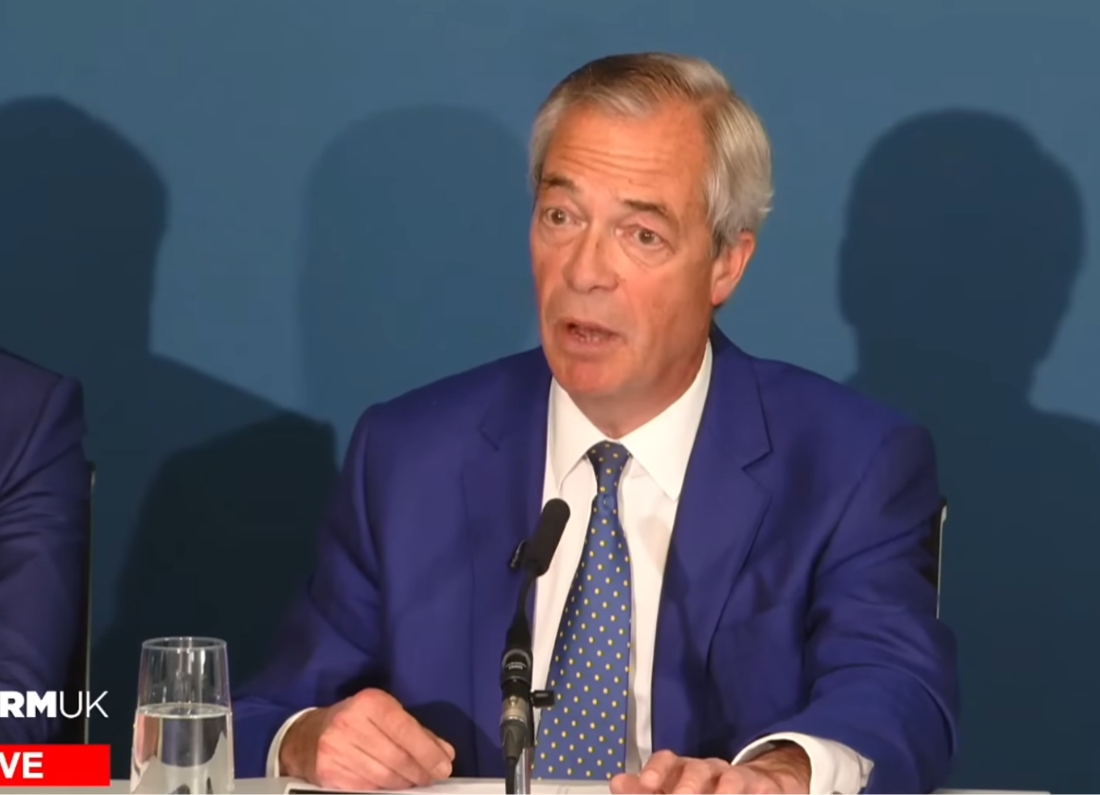
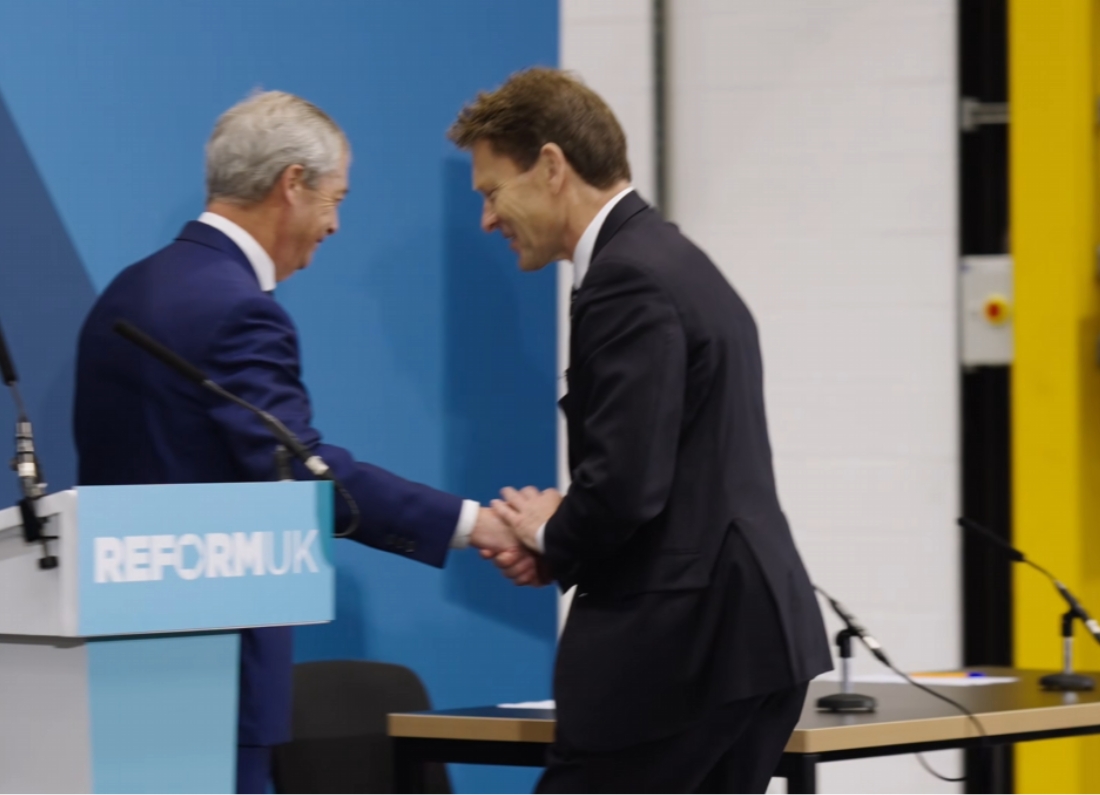
Nigel Farage’s personal ratings have hit their lowest point since the 2024 election, more evidence that Reform’s year-long surge might genuinely be running out of steam.
More in Common’s latest tracker gives him a net approval rating of -32, down roughly 10 points in just two weeks. That’s a sharp drop for a period where he’s been fending off questions about his finances while campaigning to win back the Clacton seat he gave up voluntarily.
Here’s the part that should actually worry Reform: it’s not that his critics have gotten louder. He’s built a career on being divisive and has never lost sleep over annoying people who were never voting for him anyway. What’s changed is the number of people who actively approve of him. That’s falling too.
More in Common’s UK director Luke Tryl flagged exactly that on X: “For Reform what may worry Farage is less the rise in disapproval, he’s always been polarising, and more the decline in raw approval, suggesting some previous fans wavering.”
Burnham’s going the other way entirely
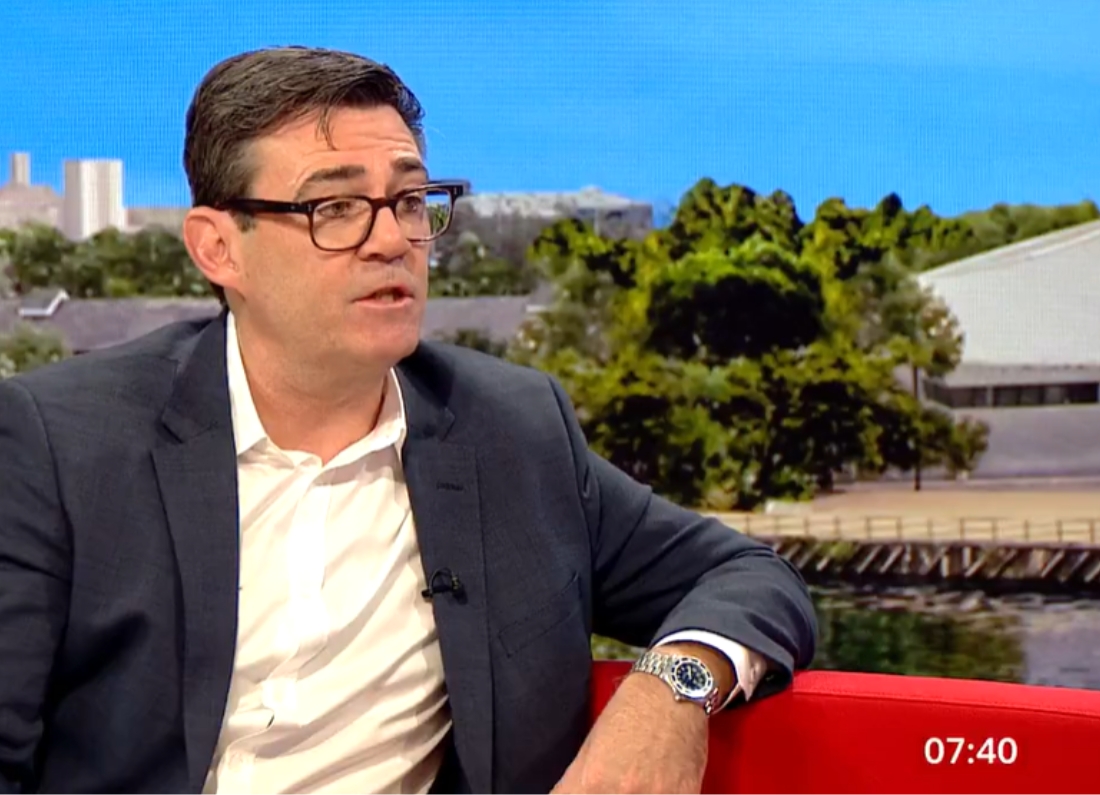
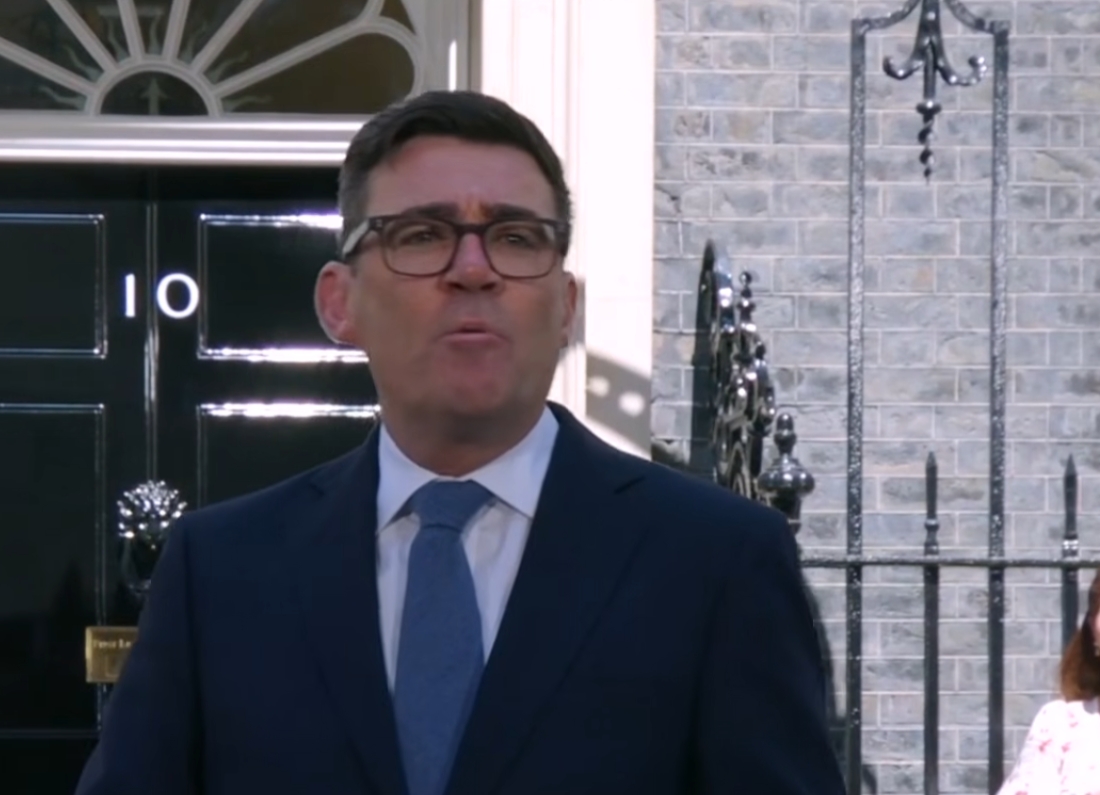
While Farage drops, Burnham’s climbed to +19 after his first few weeks as PM. That’s comfortably ahead of every other party leader, and eight points higher than the +11 Starmer had shortly after winning in 2024.
This isn’t just people not knowing enough about him yet to have an opinion either. Tryl noted the number of people answering “neither” or “don’t know” has actually been falling while his approval keeps climbing. His government’s spent its opening days rolling out policies aimed squarely at household finances, scrapping VAT on electricity, bringing back the £2 bus fare cap, cutting business rates for hospitality. He’s also opened talks on social care reform and announced new technical education routes for young people.
Genuine questions remain about how a lot of this gets funded, and an early bounce is never a guarantee of anything lasting, Starmer’s own trajectory shows how fast a new PM’s numbers can collapse once the hard decisions start piling up. For now, though, people seem willing to give Burnham the benefit of the doubt.
Kemi Badenoch sat at zero in the same poll, Ed Davey at -11. Zack Polanski dropped to -24 after a rough few weeks, including the row over the Instagram post with the guillotine T-shirt.
The polls themselves have shifted too
More in Common now has Labour on 28%, four points ahead of Reform’s 24%. Labour’s first lead with this pollster since March 2025, and its best number since November 2024. Reform had led national polling for roughly 16 months before this, sometimes by double digits. That’s gone now.
YouGov subsequently put Labour and Reform level at 22%. Survation had Labour ahead, 26% to 24%. The exact figures move around between pollsters, but the direction is the same everywhere you look: Labour’s clawed ground back since Burnham took over, Reform’s either stalled or slipped.
Doesn’t mean Reform’s suddenly irrelevant. A party polling in the mid-20s can still win a lot of seats, especially with the Conservatives this weak. And there’s no guarantee Burnham’s bounce survives autumn either. But this still matters, because Reform’s whole appeal has always been tied directly to Farage as a person. A drop in his own standing is a genuinely different problem to a normal dip in party support.
Where Farage’s finances actually stand
This all lands while Farage keeps facing questions over the £5m gift from Christopher Harborne, the Thailand-based crypto investor. He got the money before returning to Parliament in 2024 and never put it on his register of interests, insisting it was personal rather than political, and has repeatedly denied breaking any rules.
Parliament’s standards commissioner opened an investigation into whether it should have been declared. A separate inquiry covers benefits allegedly provided by George Cottrell, the convicted fraudster and Farage’s long-time associate who reportedly helped fund staff and security. Then there’s the recent revelation that Cottrell transferred over $2m to his mother shortly before she donated roughly the same amount to Reform and Tice’s fundraising company.
Farage calls all of it a witch-hunt, an establishment attempt to destroy Reform. Earlier this month he resigned as Clacton’s MP and triggered a byelection, framing it as a chance for local voters to decide whether they trust him. His resignation paused both parliamentary investigations, since the commissioner’s authority only applies to sitting MPs. Win the seat back on 13 August, and both restart immediately.
The major parties have all declined to stand candidates, which rather ruins Farage’s attempt to frame this as a fight against the Westminster establishment. His most prominent opponent is Count Binface, whose satirical campaign has attracted genuine international coverage and repeatedly mocked exactly the circumstances that created this byelection.
YouGov’s numbers are even worse
More in Common’s approval score and YouGov’s favourability tracker ask different questions, so they’re not directly comparable, but both show the same deterioration. YouGov now has only 22% of Britons holding a favourable view of Farage, the lowest its tracker has recorded since 2020. Sixty-eight per cent view him unfavourably, 56% very unfavourably, giving a net score of -46, jointly the worst YouGov’s ever recorded for him.
This didn’t start with one single scandal. YouGov says the trend’s actually been running since May last year. The finance rows, the Clacton byelection, Reform’s habit of waving away every separate investigation as one coordinated conspiracy, all of it seems to have sped up something that was already happening.
Farage has survived bad polls, lost elections and outright scandals before. Writing him off has rarely been the smart bet. But this time the warning’s coming from two directions at once: Reform’s national lead has disappeared right as approval of its leader hits a new low, and the people drifting away aren’t just his usual critics. Some of them liked him once.
For a party built this heavily around one man, that’s probably the number that matters most.




Leave a Reply