

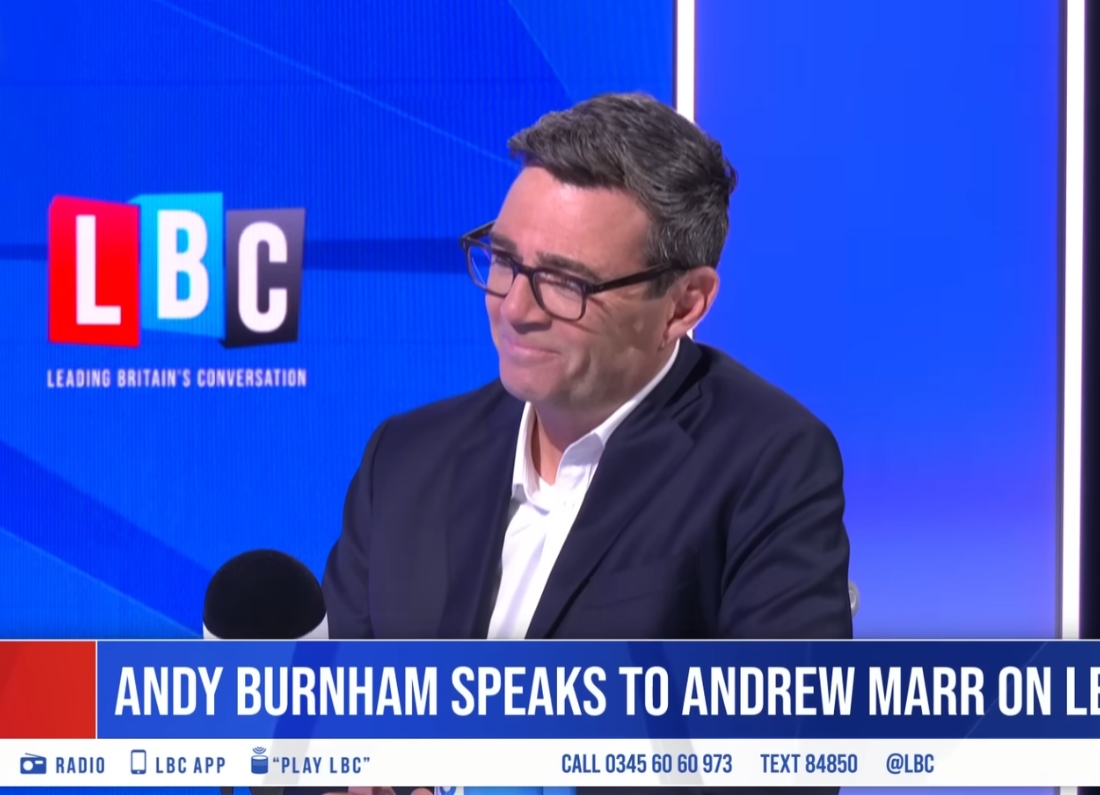
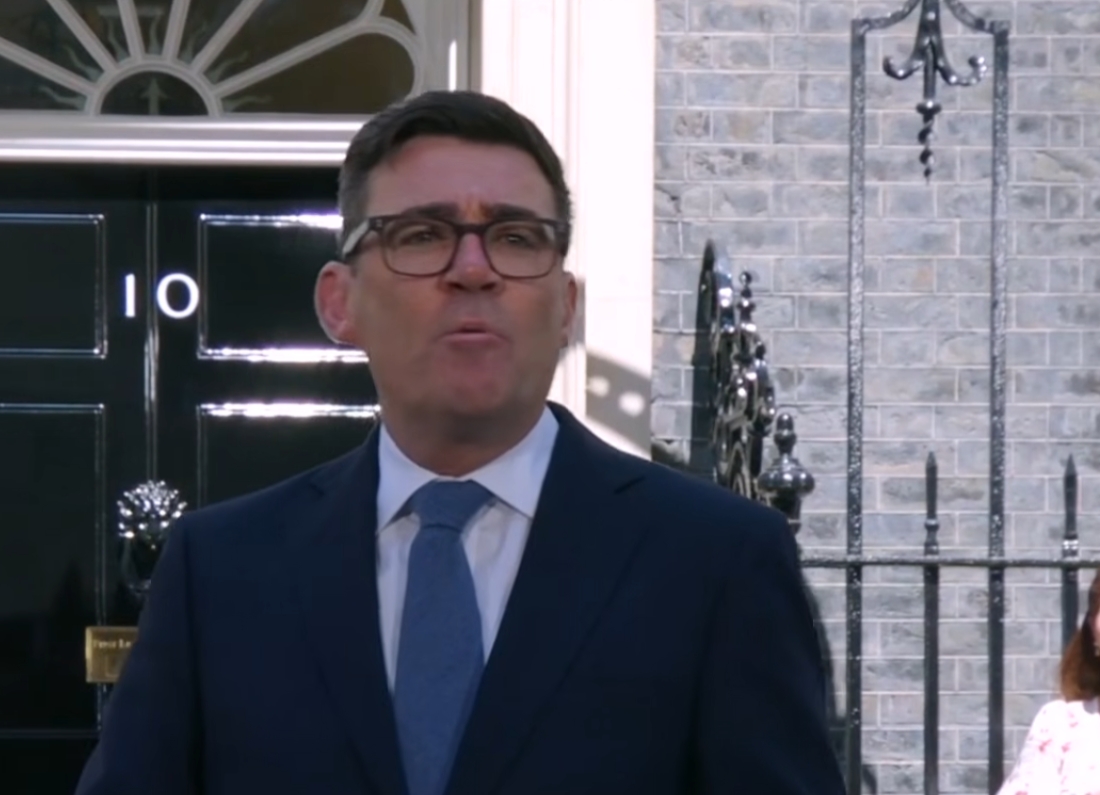
Single bus fares across England are being capped at £2 from January, as Andy Burnham keeps rolling out cost-of-living measures at a genuinely fast clip.
The cap kicks in on 1 January 2027 and runs until the end of that year, covering participating services outside London, which has always had its own fare system. Most single journeys currently top out at £3, so anyone paying the full whack will save £1 a trip. Do the maths on someone taking two full-price journeys, five days a week, and you’re looking at roughly £10 a week, or £500-plus over the year.
Not everyone gets the full third knocked off, plenty of local fares already sit below £3, and this policy sets a ceiling rather than slashing every fare by the same percentage across the board. But millions of passengers should still feel it, especially anyone commuting regularly on a route where the operator’s been charging the full £3.
Burnham framed it as basic infrastructure, not a nice-to-have. “Good, affordable transport links are an essential,” he said. “No one should be priced out of those and left behind. But for too long people have said that cheaper transport isn’t an option. I don’t accept that. I’ve done it before and I will do it again now: a £2 cap on bus fares for millions across the country.”
Why £2 sounds familiar
That’s because it is. The Conservatives brought in a national £2 cap back in January 2023 as a temporary response to the cost-of-living crunch, extending it repeatedly before it was due to lapse at the end of 2024.
Once in government, Keir Starmer and then-chancellor Rachel Reeves decided not to keep funding it at that level, opting for a £3 cap from January 2025 instead, on the grounds it would stop fares rising even further while being more affordable for the Treasury. Some longer routes could genuinely have gone well above £3 without any cap at all.
That £3 limit had already been extended to March 2027. What Burnham’s actually done is bring the drop to £2 forward by three months, to 1 January, and lock it in for the rest of the year. So it’s doing two jobs at once: cutting the current maximum by a third straight away, and stopping the whole cap from quietly disappearing once its existing funding runs dry in the spring.
This is very much Burnham territory. He defended the original £2 fare while running Greater Manchester and kept it going on the Bee Network even after the national cap went up. Now he’s taken one of the most recognisable things from his time as mayor and rolled it out nationally.
Who actually benefits
The cap applies to participating bus services across England, outside London. It’s a voluntary scheme, so individual operators have to opt in, and some services are excluded entirely, including many coaches, airport routes and school-only buses. Worth checking whether your own operator and route are actually covered.
London’s left out because TfL runs its own fare system, and its single bus fare is already under the national cap anyway. The £2 limit will matter most in towns, rural areas and smaller cities, places where people are more likely to be buying single tickets rather than using integrated travelcards. Someone commuting five or six days a week could genuinely save hundreds of pounds over 2027. If your fare’s already £2 or under, the direct saving is smaller, though the cap should still protect you from bigger increases down the line.
Transport Secretary Heidi Alexander put it plainly: “This is about making those everyday journeys easier and cheaper. We’re cutting fares by a third to help with the cost of living, open up opportunities and keep people connected to work, school, healthcare and their friends and family.”
Cheaper fares tend to get more people onto buses too, the original £2 scheme was credited with generating millions of extra journeys, though price is obviously only one factor. How often the bus actually comes, how reliable it is, and whether there’s a usable route at all still matter just as much.
Where the money’s coming from
The scheme’s expected to cost north of £500m. The government’s putting in £454m of new funding, some of which flows to the devolved administrations via the Barnett formula, with the rest covered by Department for Transport money already earmarked for buses.
Most of that new money, though, is coming from the Department for Energy Security and Net Zero. Around £400m originally intended for international climate finance grants will instead be offered to developing countries as loans, with ministers arguing this lets the projects carry on while freeing up cash for buses at home. The remainder comes from other savings within the energy department’s existing budget.
Chancellor John Healey framed it as a free lunch for taxpayers: “This action to ease the cost of living is funded by savings made elsewhere, so there’s no burden to British taxpayers, just pounds going back into their pockets.” Technically true, there’s no new tax attached. But it’s still a real choice about how public money gets spent, and money that would have gone to poorer countries as grants is about to become debt they’ll eventually have to pay back.
The climate money is the awkward bit
This is very likely going to be the most controversial part of the whole announcement. Britain has committed to helping developing countries adapt to climate change and shift towards cleaner energy, countries that, in many cases, have contributed very little to global emissions but are bearing some of the worst consequences.
Grants don’t need repaying. Loans do, and that could add to the debt burdens of countries already under serious financial strain. The government insists climate projects will still get funded, and that switching to loans isn’t the same as walking away from Britain’s international commitments. Full details of how the lending will actually work, interest rates, repayment terms, who’s eligible, haven’t been published yet. Alexander said the £2 cap itself is fully funded, while admitting the loan mechanics are still being worked out.
That leaves the government open to an obvious line of attack: using money meant for climate resilience abroad to pay for a popular policy at home. Burnham will presumably argue governments always have to weigh priorities, and that cheaper buses have their own environmental upside if they get people out of cars. Critics will say climate assistance and domestic transport shouldn’t have to fight over the same pot.
Cheaper fares don’t fix everything
Passengers will welcome this, but price is only one part of what’s actually broken about bus travel in Britain right now. Whole routes have vanished in some communities; others run so rarely they’re useless for getting to work, school or a hospital appointment. A £2 fare doesn’t help much if the last bus home leaves before your shift ends.
Operators have also warned that fare caps only work long-term if the government’s reimbursement actually reflects what it costs to run the service. If it doesn’t, companies might just cut routes or drop out of the voluntary scheme altogether. The government says this sits alongside broader investment in routes and reliability, with local authorities still getting funding to support services, add new routes or improve bus infrastructure generally. The real test is whether this becomes a genuine part of fixing the network, rather than a substitute for actually doing it.
Jason Prince, director of the Urban Transport Group, welcomed the move, saying lower fares could boost passenger numbers and help local communities. Whether it turns into more than just cheaper tickets on an otherwise unreliable network remains to be seen.
Part of a bigger pattern
This follows Burnham scrapping VAT on domestic electricity bills from 1 October, expected to save a typical household around £45, funded initially by cancelling Starmer’s digital ID scheme. There’s also a planned 20% cut to business rates for hospitality venues, and the first stage of a programme aimed at ending long-term rough sleeping.
Burnham told his first Cabinet meeting he wanted a “cost-of-living government”, one that made policies people could actually feel in their day-to-day lives. The bus cap fits that strategy neatly, it’s simple, easy to explain, and directly tied to his own record running Manchester.
“Lower fares will help people get to where they need to, giving them breathing space to help with the cost of living,” he said. “As I said on my first day in office, I will build a country for everyone, everywhere. That means more connected communities, better access to opportunities and a lighter load on people’s lives.”
A popular policy with an expiry date
The cap is only guaranteed to the end of 2027. At some point, the government will have to decide whether to extend it, replace it, or let prices climb again.
Temporary fare schemes have a habit of becoming politically painful to unwind once people have got used to paying less. Any future rise from £2 would be felt immediately by millions of regular passengers. Burnham’s bought himself time to work out a longer-term plan, but bus operators and councils will want clarity well before the cap actually runs out.
For now, it’s simple enough: from January, passengers on participating routes pay no more than £2 for a single ticket. If you’re currently paying the full £3 twice a day, that adds up fast. Whether people feel the same way once the details of those climate loans actually surface is a separate question entirely.





Leave a Reply