

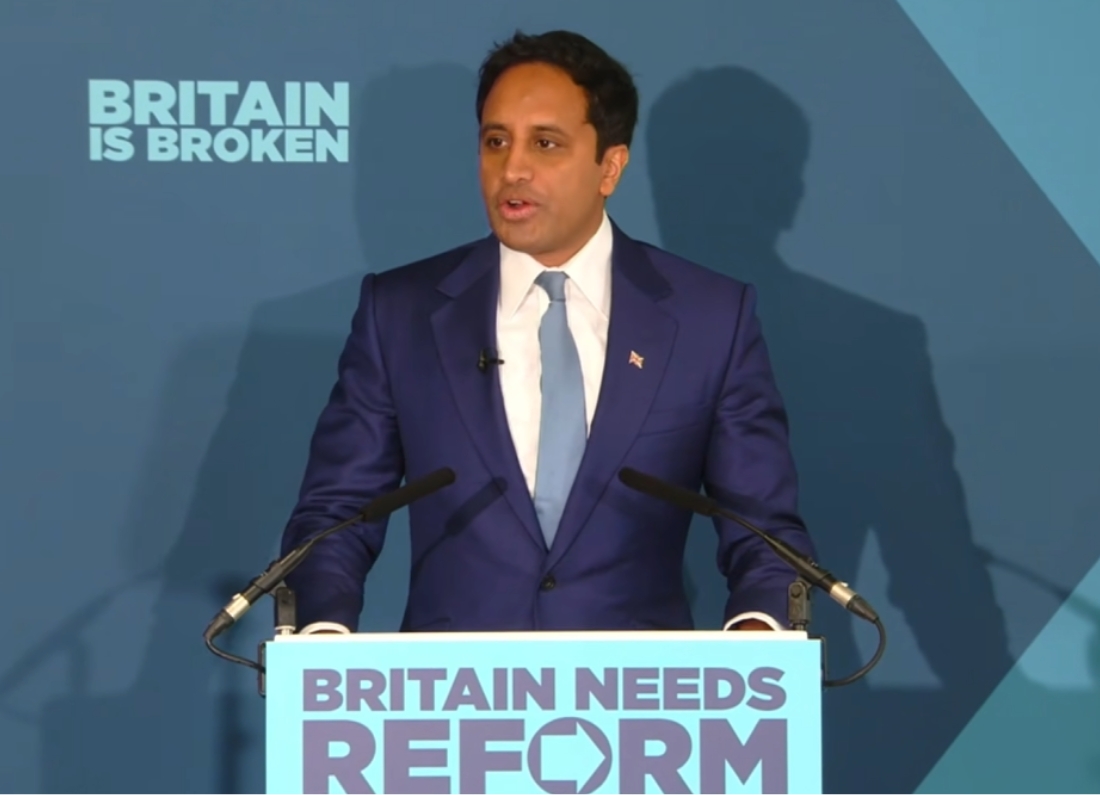
Figures inside Reform UK are urging Nigel Farage to resist the pull of the hard right and consider removing Zia Yusuf from his role as the party’s home affairs spokesman, following the party’s heavy defeat in the Makerfield byelection.
Andy Burnham took around 54% of the vote, with Reform’s candidate Robert Kenyon finishing a distant second on 35% – a 3.4-point swing from Reform to Labour since the 2024 general election. The result has triggered a weekend of internal argument about what went wrong and, more pointedly, about whether the party spent the campaign becoming something it was never supposed to be.
The Yusuf problem
Individuals within the party are understood to be making direct personal pleas to Farage to readopt his red lines on far-right extremism and remove what one source described as the “trigger happy” Yusuf from his position. “Zia’s a big problem,” one person involved in those conversations said bluntly.
Another source went further, warning of “some serious splits within the party that are going to break out at any point.”
Yusuf has been a figure of internal frustration for some time. He resigned for 24 hours last year after publicly criticising Pochin, a newly elected MP. More recently, he posted “Some cultures are MUCH better than others” as Belfast erupted into riots – drawing condemnation from the Green Party and raising questions about whether Reform’s home affairs voice was making the party’s position worse rather than better. When he appeared on Laura Kuenssberg’s Sunday programme to defend the party’s response to the murder of Henry Nowak, he was asked four times what mattered more – the political argument or the family’s wishes. He did not answer.
The view among those seeking his removal is that Yusuf has been driving a rightwards push inside the party, prompted by fear of being outflanked by Rupert Lowe’s Restore Britain. Those fears, the insiders now argue, led Reform into a trap of its own making.
The Restore problem
Restore Britain took 7% in Makerfield – enough to alarm Reform’s strategists, who watched votes bleed to a party that was explicitly positioning itself as the harder option. During the campaign, both parties seized on the murder of Henry Nowak and the Belfast knife attack. Farage recorded what he called an “emergency address to the nation” calling for “pure, cold rage” – 24 hours after Nowak’s family had explicitly asked that their son’s death not be used to “create further hatred, division or tension.” Yusuf announced a “total ban” on visas for people from Sudan. Restore’s Rupert Lowe went further still, suggesting grooming gang offenders “must be put to death.”
One senior Reform source was candid about what happened: “We were definitely spooked by Restore, and I don’t think it was our finest hour. Nigel can carry on the Yusufication of Reform, or he can rely on his instincts to keep Tommy Robinson well beyond where Reform stands, but he has got to make that decision. Reform shouldn’t panic – there is lots of evidence that we are still the main contender on the right, but the scale of tactical voting and persistence of it should be our focus, not Rupert.”
On Friday morning, Farage posted a social media video making a direct plea to those who switched to Restore. “What do you want?” he asked. “We are the challenger party to the left in this country and I would urge you to think again, I really, really would.”
Sunder Katwala, director of thinktank British Future, put the challenge in sharper terms. “Farage’s position for 25 years – that there is a place to the right he won’t go – is being contested to an extent that it has never been before,” he said. “He used racialised language this month in the campaign, which leaves him at risk of being asked why he had that boundary in the first place.”
The candidate question
Some within the party are also drawing a direct line between the result and the choice of candidate. Kenyon’s deleted social media accounts contained riot disinformation, COVID conspiracy theories and explicit calls for violence. He appeared not to have voted for Brexit in a constituency that voted 67% Leave. Farage dismissed his documented sexist posts with “so what?” and described them as “laddish things you’ll hear in every pub.” The episode generated weeks of negative coverage that dominated the campaign.
Oxford University professor Ben Ansell was direct about the structural issue: “Reform aren’t as battle-tested for opposition research as the main parties are. And there is a general question about whether Farage will be running in three years. Is his heart really in this? This is hard work and going to keep on being hard work – and without Farage, what are they?”
The money question
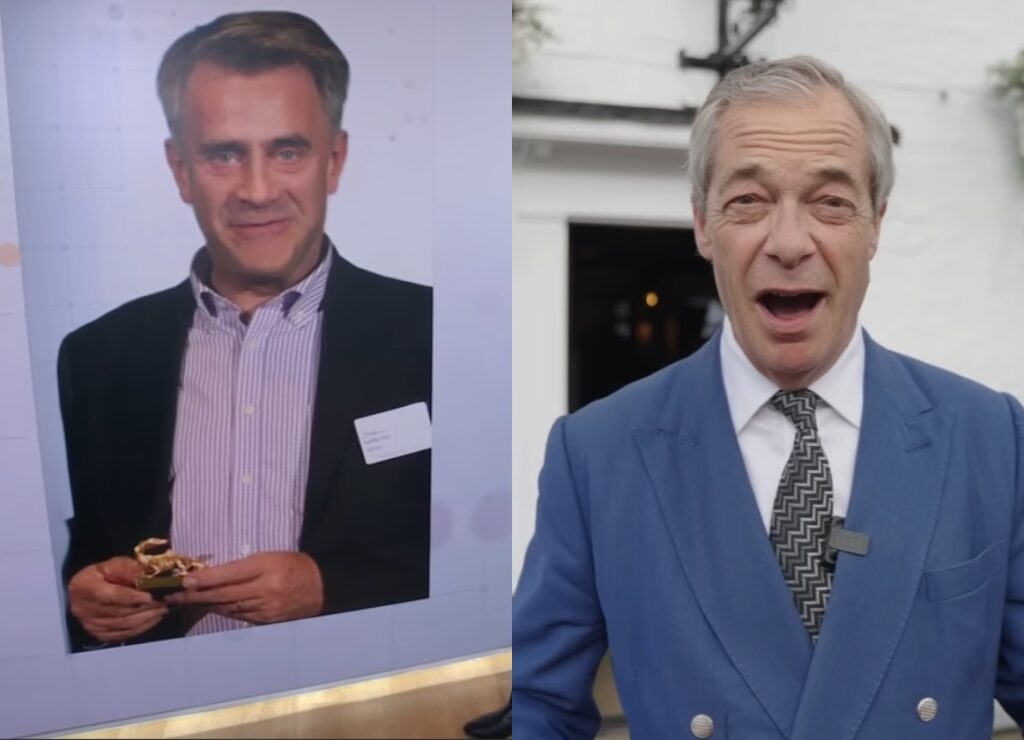
That last point matters more than it might seem, because the party’s finances are substantially dependent on Farage’s personal pull. Christopher Harborne’s undisclosed £5 million personal gift to Farage has been the subject of sustained scrutiny, and Farage has held just one press conference in over 50 days since the story broke. Between Harborne and fellow crypto billionaire Ben Delo, the two men are responsible for nearly two-thirds of the £29.9 million Reform has raised since July 2024. Without those two donors, the party’s fundraising would fall behind both Labour and the Conservatives.
What now?
The Tories, meanwhile, are quietly drawing their own conclusions. Their win in Aberdeen South – a 14.7 percentage-point swing against the SNP – has given donors already relaxed about Kemi Badenoch’s pace of rebuilding a reason to feel more optimistic. “Something is turning on the right,” said Ansell. “I think the Tories are sneaking back into contention now. I wouldn’t rule them out, particularly if we don’t have a general election until 2029.”
Polling expert John Curtice put the overall picture succinctly: “In a nutshell, both the two old dogs in British politics have shown there is still some life in them.” For Reform, the question is whether the Makerfield defeat turns out to be a useful corrective – or the moment the cracks that insiders are now describing publicly began to show themselves to the country.







Leave a Reply