


Victoria Derbyshire sat down with Andy Burnham in a pub in Orrell, a suburb of Wigan, for his first interview since confirming he would enter any Labour leadership contest. The Newsnight interview covered his plans to cut business rates for pubs, put Thames Water under public control, accelerate Baroness Casey’s social care review and end what he calls 40 years of neoliberalism. It also produced a moment – when asked to explain the government’s fiscal rules he had committed to following – that will be replayed.
The interview took place two weeks before the Makerfield byelection on 18 June, with Burnham visibly conscious of the stakes. “I’m making no assumptions at all about what happens after the 18th of June,” he said when pressed on the leadership contest. “This is a tight byelection. There is still so much to play for.”
On the leadership – and why he won’t say it
Derbyshire opened with the direct question: why would Burnham be a better Prime Minister than Starmer? He declined to answer. “I am not getting into that. I am fully focused on this byelection. It’s disrespectful actually to the decision that people here are making.”
When she pressed on Number 10’s statement that Starmer would not walk away from his mandate, Burnham was consistent. He said he would not assume the outcome of the byelection. Win or lose, the question of the leadership would follow the result.
As we reported in our Burnham popularity analysis, he is the only UK politician with net-positive favourability ratings nationally. The More In Common poll shows Labour jumping from 22% to 30% under his leadership, overtaking Reform. But in the pub in Orrell, he was careful to be the candidate focused on Makerfield rather than the candidate positioning for Westminster.
Business rates and small businesses
The substantive policy announced in the interview was a 20% cut in business rates for pubs – worth approximately £5,000 per year per establishment – which Burnham described as giving struggling high street businesses “a bit of breathing space.” For some businesses, the cut would take them out of business rates altogether.
The framing was about fairer taxation and the imbalance between online retail giants – who he said typically pay around 0.3% of turnover in business rates – and physical premises like the pub in which the interview was taking place, which pay proportionally far more.
The interview produced an immediate challenge to the policy’s reach. The pub’s landlord Ian, who had spent time with both Burnham and Derbyshire earlier in the day, said what hospitality businesses actually wanted was a VAT cut to 10% – not business rates relief. Burnham acknowledged this, said he had supported the VAT campaign as Mayor of Greater Manchester, but defended the business rates proposal as achievable now.
He also acknowledged Labour had got it wrong on the national insurance rise for employers: “I thought the weight of the burden on employers’ national insurance wasn’t the right decision.” But he stopped short of committing to reverse it, describing himself as “sympathetic” and saying more needed to be done to listen to small business voices.
Thames Water, utilities and ‘public control’
The most detailed policy discussion concerned utilities. Burnham has consistently used the phrase “public control” rather than nationalisation, and he was careful in the interview to maintain the distinction – describing a “spectrum of intervention” that could mean tougher regulation at one end or public ownership at the other.
On Thames Water he was unambiguous: “I think there is an overwhelming case for public ownership.” His argument was specific – the company had been paying dividends to shareholders throughout its crisis while failing to invest in infrastructure and repeatedly whacking bills up. “Shareholders never lose and bill payers never win.”
Derbyshire pressed repeatedly on the costs. How would public control be paid for? Burnham’s answer: it pays back over time. He gave the example of the Bee Network in Greater Manchester – the publicly owned bus network – to argue that private operators under the deregulated system had held the public sector “over a barrel,” extracting public money to sustain marginal routes. Bringing it under public control had changed the dynamic.
On rail, he cited an anytime return from Wigan to London at £364 as evidence that the current system was failing ordinary people. The franchise model had been “a licence to print money” for private operators. As we reported in our Burnham land value tax piece, this commitment to public control of utilities is a central plank of his prospective PM programme, alongside land value tax and proportional representation.
The fiscal rules moment
The interview’s most discussed exchange came near the end. Burnham’s team had confirmed to Newsnight’s economics editor that he would stick to the Prime Minister and Chancellor’s fiscal rules. Derbyshire asked him to explain what those rules were.
“I’m not going to go through a discussion like – you know – an exam on the fiscal rules. I know what the fiscal rules are.” He committed to setting out a plan within them and said nothing in his campaign had been about “ignoring the bond markets or saying they don’t matter.”
The exchange will be replayed. The fiscal rules – that day-to-day spending should be funded by tax revenues and debt should fall as a share of GDP by the end of a parliament – are the central constraint on any Labour government’s spending plans. Burnham’s public control agenda involves upfront costs. The question of how those costs sit within the fiscal rules was not answered in the interview.
The framing – that being asked to explain fiscal rules felt like an exam – gave critics a moment to work with. It does not mean he doesn’t understand them. But in an interview specifically designed to demonstrate economic credibility alongside political authenticity, it was not the ideal passage.
Social care and the change argument
Burnham made his strongest case when talking about social care. As a former Health Secretary – a role he held 15 years ago – he argues the NHS’s crisis is fundamentally downstream of social care failure: people who don’t need to be in hospital beds are in them because there is nowhere for them to go.
He said he would bring forward Baroness Casey’s whole social care review to this year: “We just need to get in the business of grasping nettles.” He framed this explicitly as fiscally prudent – the cost to the NHS of thousands of people occupying beds unnecessarily “is ruinous.”
On the change question overall, when Derbyshire challenged him on whether he was really offering change within the existing manifesto, his answer was direct: “If ending 40 years of neoliberalism isn’t offering change, then I don’t know what is.” He cited the Bee Network, the public control agenda, council house building and housing costs as the substance of what he meant.
The interview ended as it began – with Burnham focused on the byelection, the constituency and June 18. As we reported in our Burnham electoral reform pledge, his pitch to become Prime Minister is built on a set of structural changes to how the country works. The Newsnight interview showed the strengths of that pitch – and identified the moments where the scrutiny will keep coming.
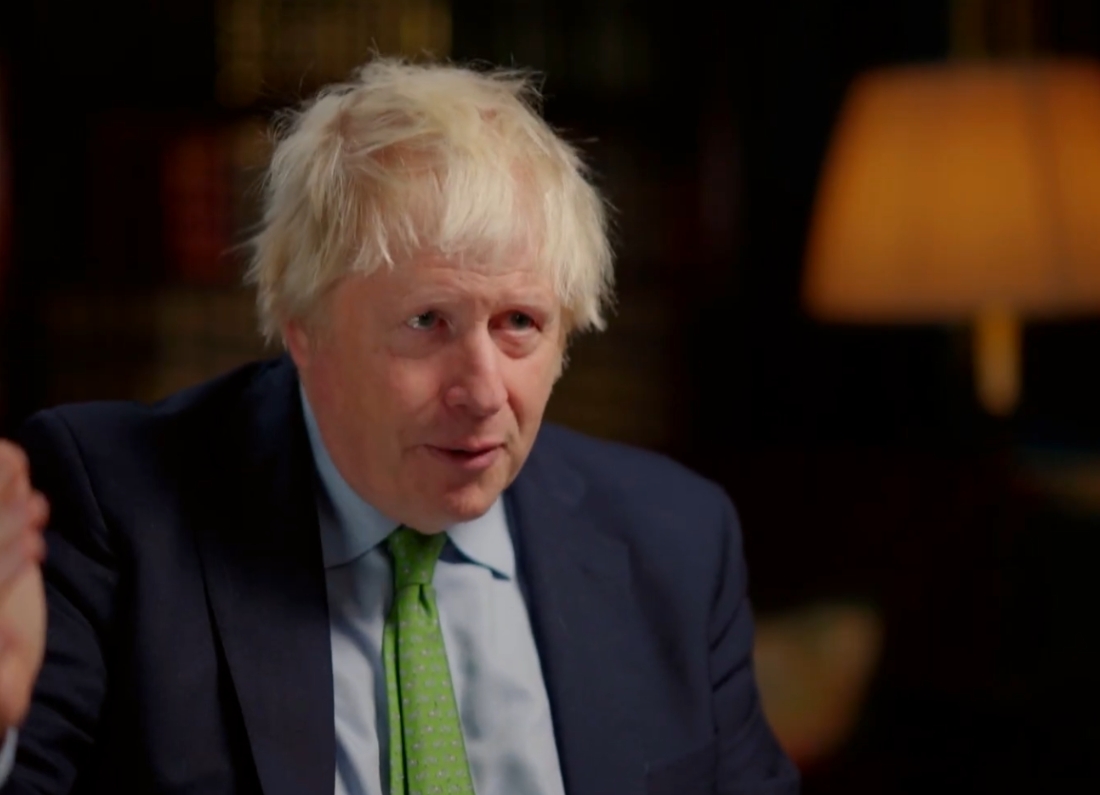
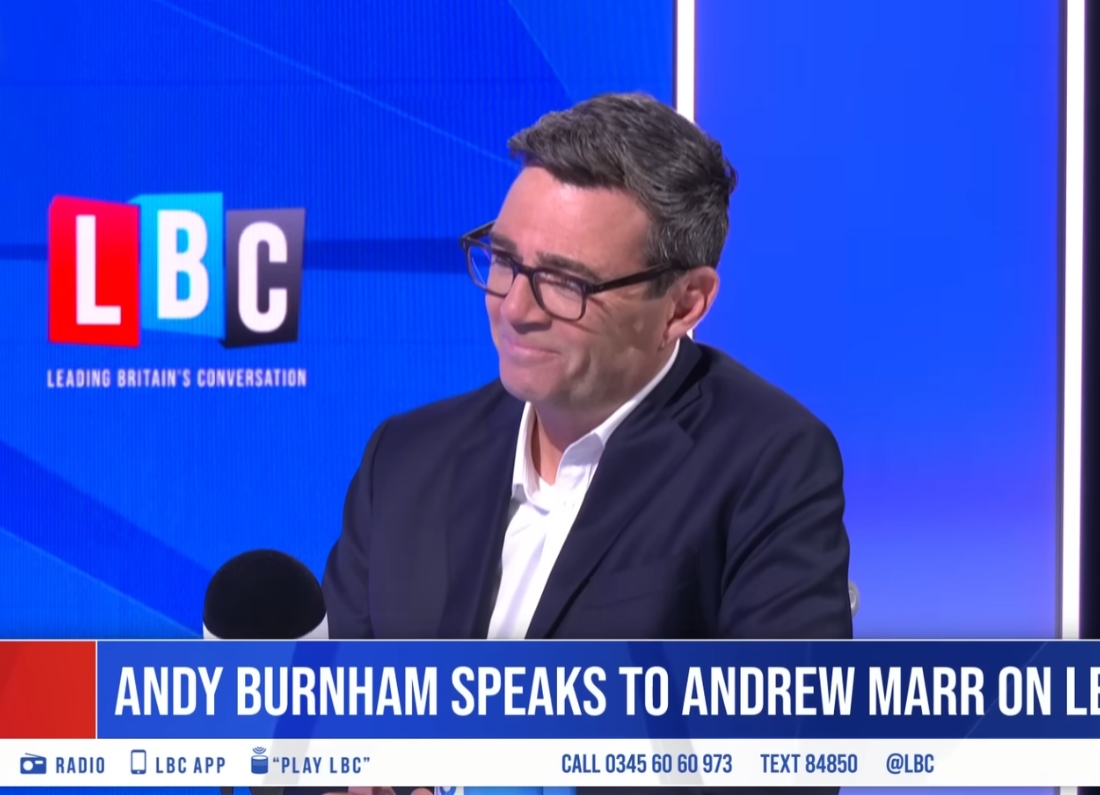
You can watch the interview below:





Leave a Reply