Palantir has accused Sadiq Khan of “putting politics above public safety” after the London mayor blocked a £50 million contract for the Metropolitan Police to use the company’s artificial intelligence systems to process criminal intelligence – triggering a public confrontation that has exposed a Labour split between government ministers who support Palantir’s involvement in public services and MPs who backed Khan’s decision, while Stella Creasy branded the company’s UK chief’s response “shameful.”
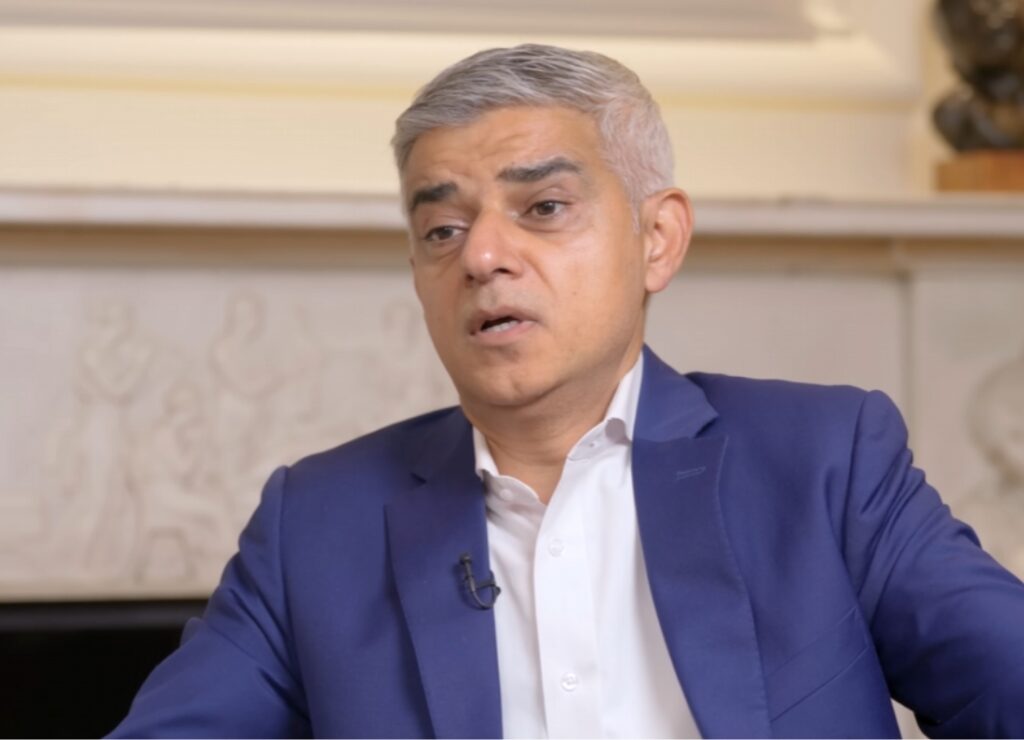
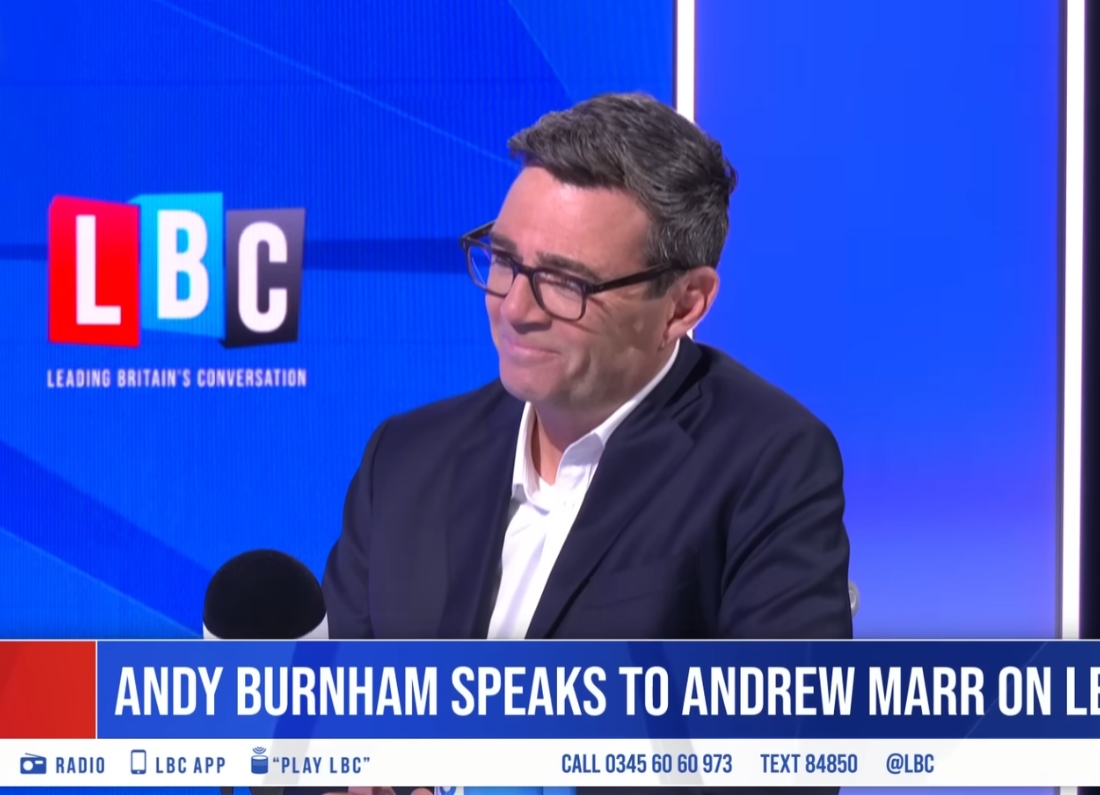
The mayor’s office found a “clear and serious breach” of procurement rules in the process by which Scotland Yard sought to extend Palantir’s existing role – specifically that the process for extending its contract did not allow bids from other suppliers. Khan, who has previously said he only wants public money going to companies that “share the values of our city,” rejected the deal.
What Palantir said
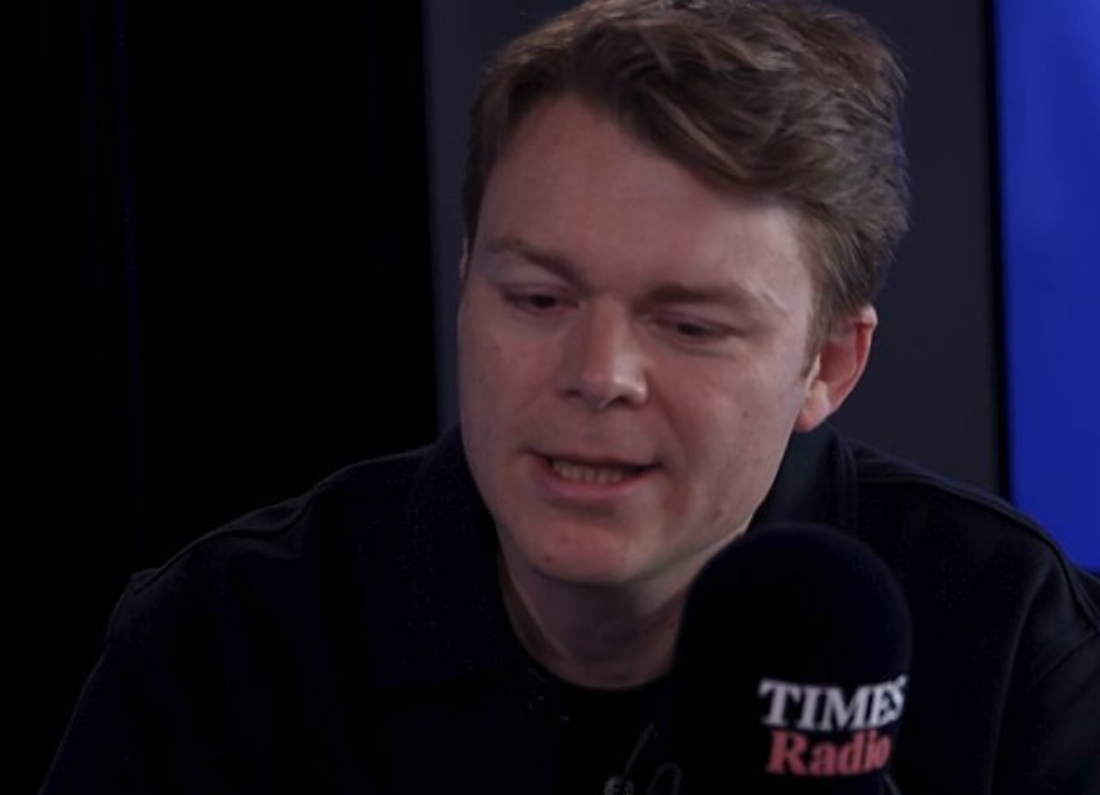
Louis Mosley, who heads Palantir’s UK and European operations, went on the offensive on Friday, accusing Khan of politicising procurement decisions in a way that would compromise public safety.
“What Londoners value is not being mugged, not being raped by a serving police officer and that’s really what the focus here should be,” Mosley told Times Radio. “If we are going to politicise procurement in that way then we are going to compromise public safety.”
The invocation of rape by a serving police officer – a reference to the scandal of predatory officers within the Met, including Sarah Everard’s murderer Wayne Couzins – as an argument against a procurement decision drew an immediate and furious response. Labour MP Stella Creasy said Mosley “should be ashamed of himself.”
“To hear the CEO of Palantir using the serious matter of sexual abuse by Met officers to attack the mayor of London for rejecting his company and so cutting his profits shows exactly why Palantir are not fit to lecture anyone on values,” she said.
Scotland Yard called Khan’s decision “disappointing,” adding that without new technology it would have to cut officer numbers, which would affect its ability to keep London safe.
The values question – what Khan’s objections are about
Palantir was co-founded by Peter Thiel, the Trump-supporting tech billionaire. It currently holds contracts with the Israeli military and with the Trump administration’s immigration enforcement operations. When the company’s chief executive, Alex Karp, was challenged on a platform that “Palantir kills Palestinians” in Gaza, his response was: “Mostly terrorists, that’s true.”
Mosley addressed the values question by arguing that Amazon and Microsoft operate in the same spaces. “We may work with Israel, but so does Amazon, and so does Microsoft. We may work with the Trump administration supporting the immigration enforcement arm of his government, so does Amazon, so does Microsoft. Why do we get singled out?”
The argument that other large tech companies also have problematic contracts is accurate in the specific sense Mosley intends it. Whether “Amazon also does it” is a satisfying answer to questions about the values of a company being given contracts to access London’s criminal intelligence database is a different question.
The existing Met relationship – and the “big brother” concern
What is less widely reported is that Palantir already has a relationship with the Metropolitan Police – one that was established on a separate contract worth less than £500,000, which fell below the threshold requiring mayoral approval. That initial contract was to use AI to detect rogue officers by scanning how they might be abusing rostering and other internal systems.
The Met Police Federation – which represents rank-and-file officers – described this as a “big brother” system and criticised the “unchecked use of a controversial AI provider to spy on every single one of our colleagues.” The body that was supposed to benefit from Palantir detecting rogue officers in its own ranks objected to having a US tech company with Israeli military and Trump administration contracts scanning its members’ behaviour.
The £50m contract Khan has now blocked would have extended Palantir’s role significantly – using it to scan criminal intelligence data for patterns and clues, as it already does for smaller police forces including Bedfordshire and Leicestershire.
The wider Palantir footprint – and what we’ve already reported
This is not the first time Palantir’s relationship with British public institutions has attracted scrutiny. As we reported in our NHS unlimited patient data access piece, Palantir holds a £330 million contract with NHS England for the Federated Data Platform, which gives it access to patient data across the health service. The scope of that access – and the questions about what data governance safeguards exist – have been a persistent concern for health campaigners and privacy advocates.
As we also reported in our Palantir revolving door investigation, 32 senior UK government officials have moved through the revolving door between the NHS, the Ministry of Defence and Palantir in the past decade. The MoD holds a separate £240 million contract with the company. The combination of defence intelligence contracts, NHS patient data access, immigration enforcement work for the Trump administration and Israeli military contracts makes Palantir one of the most significant and least publicly scrutinised private companies operating within British public services.
Khan’s decision to reject the Met contract is, in that context, the most visible political intervention yet against the company’s expanding footprint in British public institutions.
Labour’s split
The Khan decision has exposed a genuine division within Labour. On one side: Rosena Allin-Khan, who said Palantir “does not reflect the values of our city,” and Clive Lewis, who called on other mayors and police and crime commissioners to “keep Palantir out of policing.” On the other: Business Secretary Peter Kyle, who said Palantir could do things “no one else does around the world at the moment” and called on Khan to “come out and explain” his decision.
Kyle is among the Labour ministers who have been lobbied by Palantir, according to ministerial meeting records. He has also framed the controversy as an argument for developing more British AI capacity: “We need to have more British AI companies that can do those kinds of things, which is why I’ve taken equity stakes in British AI firms and British tech firms, so that we can scale them up much, much faster.”
The specific tension is real and not easily resolved. Palantir’s capabilities in AI-driven intelligence analysis are genuine. The alternative – that British public institutions do without that capability while waiting for domestic alternatives to be developed at scale – has real costs. Whether those costs are worth bearing given the specific profile of Palantir’s other contractual relationships is the question Khan has answered one way and Kyle appears to answer another.