


The Conservative Party has announced it would introduce a law banning full-time council staff from working a four-day week if it returned to government – a move that has drawn immediate criticism from the leader of the council that pioneered the policy, who said the announcement amounted to a declaration that the Tories “prefer local government to be traditional, expensive and perpetually understaffed.”
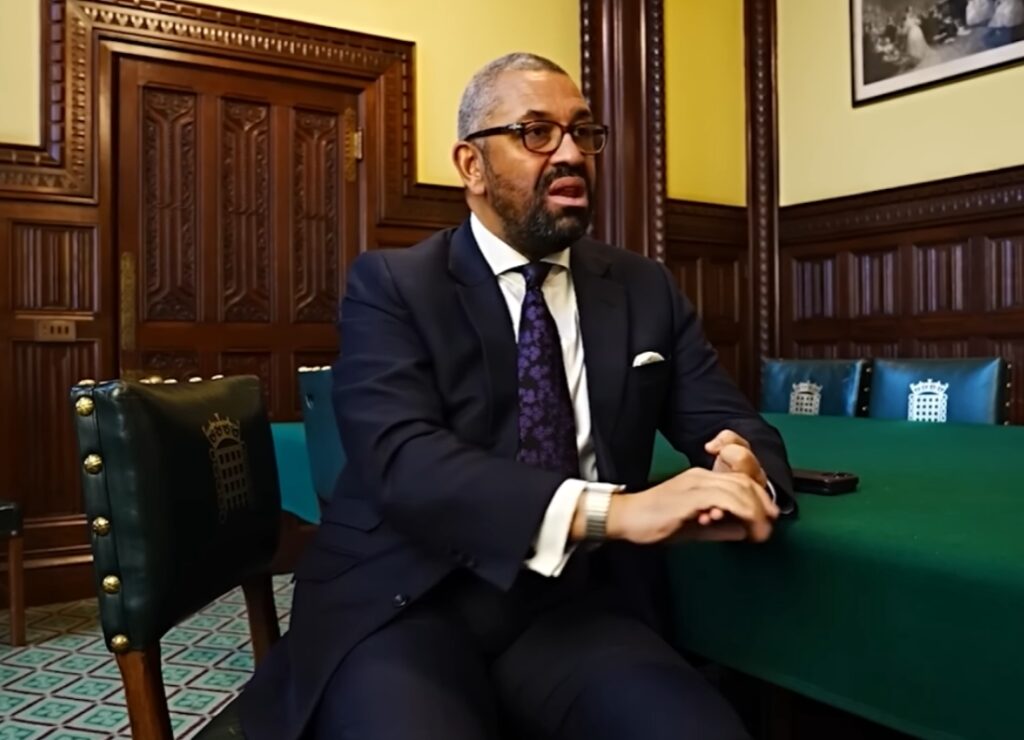
Shadow local government secretary Sir James Cleverly unveiled the party’s Ban Four Day Week and the Protection of Public Services Bill, arguing that “taxpayers should not be paying full rates for part-time services.” The bill would prohibit all public services, including councils, from offering shorter working weeks while maintaining full-time pay.
The announcement lands in the same month that council tax bills have risen by an average of £111 across England – and comes with an awkward sting in the tail: the four-day week policy it targets was introduced, and has been operating successfully, under the existing Conservative and Labour government frameworks.
What the bill would do
The proposed legislation is straightforward in its intent. Under the Ban Four Day Week and the Protection of Public Services Bill, no public service – including local councils – would be permitted to offer full-time employees the option of working a four-day week while retaining their full-time salary.
Cleverly framed the policy in terms of taxpayer value. “A four-day working week, where pay is maintained but hours are reduced, is not value for money and does disservice to hardworking families just trying to get by,” he said. “The Conservatives will end this nonsense and have a clear plan to ensure that taxpayers get the services they pay for.”
The announcement represents a deliberate positioning ahead of May’s local elections, where the Conservatives are fighting to hold councils while also trying to define a distinctive identity in competition with Reform, Labour and a resurgent Green Party.
The South Cambridgeshire evidence
The difficulty for the Conservatives is that the most prominent example of the four-day week in practice – South Cambridgeshire District Council – presents an awkward set of facts for the argument they are making.
South Cambridgeshire, which began trialling the policy in 2023 and adopted it permanently last year, operates on the basis that staff complete 100% of their contracted work in 80% of their contracted hours, with no pay cut. It is explicitly not a case of paying people for five days while they work four – it is a reorganisation of how work is structured and delivered.
The council’s own evaluation found that 21 out of 24 service areas improved or stayed the same during the trial period. That includes measurable improvements to the percentage of calls answered by the council’s contact centre and to the average number of weeks taken to process householder planning applications – precisely the kind of tangible service delivery metrics that matter to residents.
Bridget Smith, the Liberal Democrat leader of South Cambridgeshire District Council, was scathing about the Conservative announcement. “Yet again, we witness the political gymnastics of this outdated and out of touch Conservative Party descend into a collective swoon over the terrifying prospect of a council functioning better whilst saving the taxpayer money,” she said.
She directed her critique at the legacy of the party now opposing the policy: “The sheer audacity of Michael Gove and his successors demanding innovation while simultaneously stamping their feet at the sight of a recruitment crisis being solved by something as radical as common sense. To call for a ban on a proven success is to effectively declare that the Tory party prefers its local government to be traditional, expensive and perpetually understaffed, rather than modern and, heaven forbid, effective.”
Smith’s council was itself issued with a best value notice in 2023 – when Lord Gove was in government – over concerns about the four-day week trial. That notice has since expired, having been issued at a time when the then-government feared the policy would mean the authority was unable to “support continuous improvement.” The subsequent evidence has not supported those fears.
The Labour response – and the embarrassment
Labour’s response to the announcement was to point out the obvious: the Conservative Party is pledging to ban a policy that existed, and was expanding, on their own watch.
A Labour spokesperson said: “It’s a total embarrassment for the Tories to be, yet again, railing against things that happened on their own watch and which they took zero action on. This Government has already told town halls not to pay five-day salaries for four days work. While the Conservatives chase headlines, Labour is focused on easing the cost of living and investing in communities.”
That last point is significant. The government’s existing position, set out by Local Government Secretary Steve Reed in a letter to council leaders late last year, is already that “local authorities should not be offering full-time pay for part-time work.” Reed’s letter acknowledged that local authorities are “independent employers who are responsible for the management and organisation of their own workforces” while making clear that “our collective focus on delivering value for money for taxpayers must be unyielding.” Allegations of staff undertaking part-time work on full-time pay could, the letter noted, be “considered an indicator, among a wide range of factors, of potential failure” at a local authority.
In other words, the position Labour has already taken covers the concern the Conservatives say requires new primary legislation. The Conservatives are proposing a law to ban something the government has already said councils should not be doing – while the one council that actually does it demonstrably does not fit the description of paying full-time wages for part-time output.
The wider four-day week debate
The four-day week has been one of the more fiercely contested workplace policy questions of recent years. Trials in Iceland, Japan and across dozens of UK companies have generally produced positive results – reporting maintained or improved productivity alongside significant improvements in staff wellbeing, recruitment and retention.
The argument for it in the public sector is particularly relevant at a time of significant recruitment and retention challenges. Councils, NHS trusts and other public bodies frequently struggle to compete with private sector salaries. The ability to offer a more flexible working pattern – particularly where the evidence shows it does not harm service delivery – gives public employers a genuine competitive advantage in tight labour markets.
The argument against, as articulated by the Conservatives, rests on the principle that public services should operate five days a week and that any reduction in working hours represents a reduction in service availability regardless of how the work itself is structured.
What the South Cambridgeshire evidence complicates is the assumption that fewer hours necessarily means worse outcomes. If a council’s contact centre answers more calls, and planning applications are processed faster, under a four-day week arrangement than they were under a five-day one, it becomes harder to argue the policy is harming residents.
The political context
The announcement arrives at a moment when the Conservatives are fighting on multiple fronts. Their polling has stabilised at around 21% – joint top with Reform and the Greens – but they are defending large numbers of council seats in May and face significant losses. Under those circumstances, policy announcements that establish clear dividing lines with the government – even on relatively niche topics like council working arrangements – serve an electoral purpose regardless of their substantive merits.
Whether banning the four-day week is an issue that moves votes – in a week when Trump has compared the Prime Minister to Neville Chamberlain, energy bills are rising, the Wireless festival has been cancelled and nine people have been arrested outside RAF Lakenheath – is a different question entirely.
You may also like: Reform UK caught cold calling strangers to stand as paper candidates in May local elections










Leave a Reply