

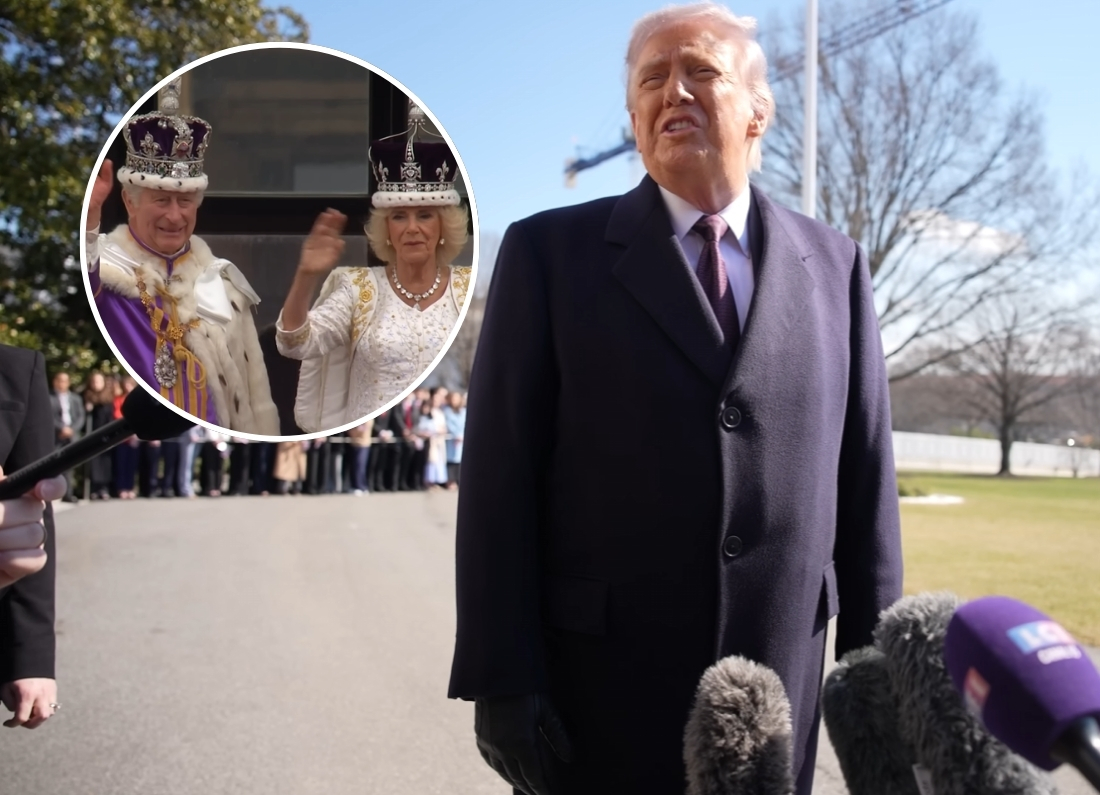
Donald Trump has used an interview with The Telegraph to suggest that King Charles III would have backed his position on the Iran war, drawing a pointed and politically loaded contrast between the monarch and Prime Minister Keir Starmer – whose refusal to fully commit British forces to the US military campaign has fuelled weeks of increasingly personal attacks from the White House.
The US President described the King as “a friend of mine” and “a wonderful and brave man,” saying he had “always liked him” and valued their longstanding relationship. But his most consequential comments came when he suggested the King would have adopted a fundamentally different posture to the one taken by the Prime Minister.
“I think he would have taken a very different stand,” Trump said, before adding carefully: “but he doesn’t do that. I mean, he’s a great gentleman.”
It was a remark designed to sting without technically crossing any line – praise for the King that functions, in context, as a rebuke of the man who runs his government.
The constitutional dimension
Trump’s comments land on constitutionally sensitive ground. The sovereign does technically retain the royal prerogative to declare war – a power held in reserve by the Crown – but centuries of convention mean the monarch plays no role in political decisions. The King acts on the advice of his ministers; the idea that he would or could “take a different stand” on the Iran war from that of the Prime Minister is constitutionally impossible.
Trump either does not know this or does not care. Either way, the effect of his comments is to position himself as someone who enjoys the favour of Britain’s head of state while simultaneously being at war – figuratively speaking – with its head of government. It is a piece of political theatre that suits the US President’s purposes perfectly.
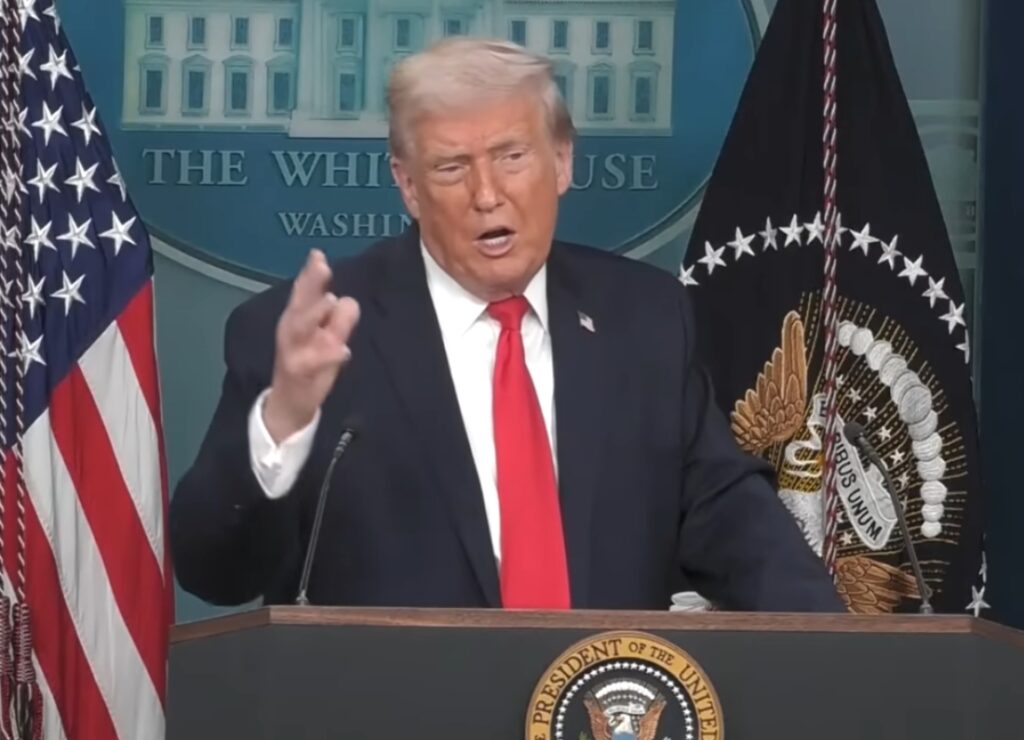
He was careful to exonerate the King from any responsibility for the diplomatic rift. “He’s had nothing to do with this,” Trump said of the breakdown in relations between Washington and London. The President maintained that his relationship with the King was warm and personal – describing their regular correspondence and saying he regarded Charles as a “great representative” for Britain.
How the rift developed
To understand why Trump’s comments about the King carry such charge, it helps to trace how British-American relations deteriorated so sharply over the past five weeks.
When the US and Israel launched military strikes on Iran on 28 February, Trump requested use of the joint British-US base at Diego Garcia in the Indian Ocean for offensive operations. Starmer initially refused, concluding there was no clear legal basis for British participation in offensive action. He later agreed to allow what he termed “defensive missions” from British bases, framing the reversal as a way of protecting British citizens and interests in the region without joining the war itself.
For Trump, the course reversal came far too late. “It’s taken three or four days for us to work out where we can land. It would have been much more convenient landing there, as opposed to flying many extra hours,” he said.
Since then, the attacks on Starmer have become a near-daily occurrence. Trump called Starmer “not Winston Churchill,” questioned his judgement, and described Britain’s aircraft carriers as “toys.”
He suggested at one point that the US “won’t be there to help you anymore” and told Britain to “go get your own oil.” He also shared on social media a Saturday Night Live UK sketch portraying Starmer as a terrified people-pleaser, fretful about what might happen “if Donald shouts at me.”
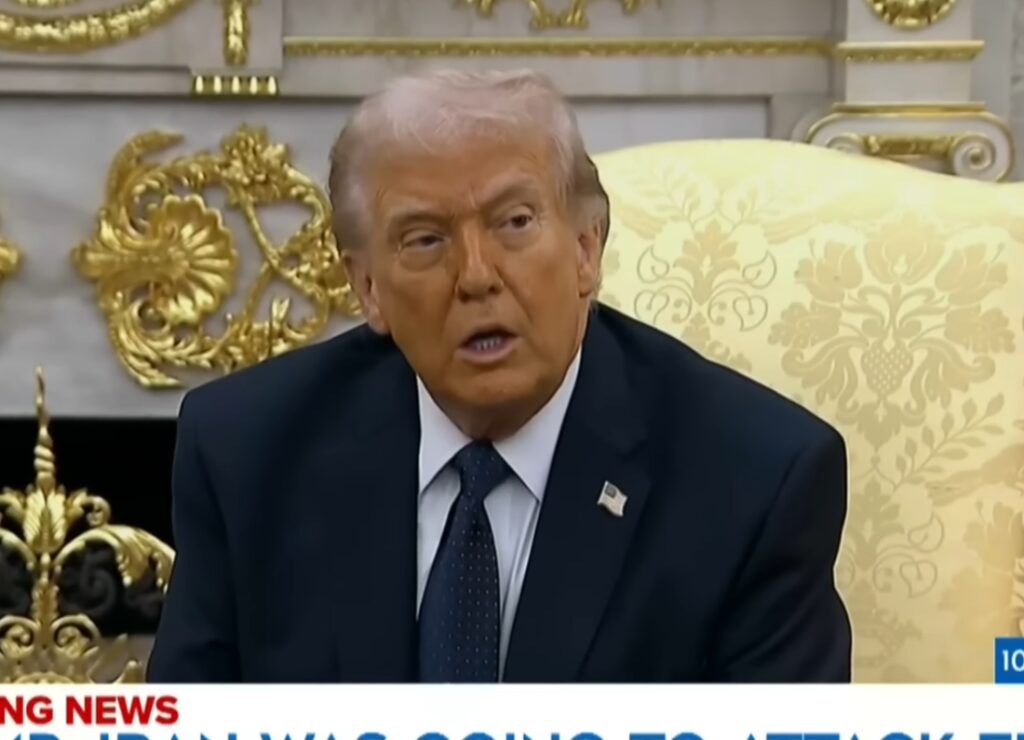
Former British ambassador to Washington Peter Westmacott observed that Starmer “has spent 18 months trying to manage the relationship by not rising to the bait and dealing in private,” adding that “he tries to use calm and reason and arguments that will appeal to Trump. But it clearly doesn’t always work, and you never know what he will say the next day.”
The state visit: confirmed despite the controversy
Against this fractious backdrop, Buckingham Palace has confirmed that King Charles and Queen Camilla will travel to the United States in late April – a state visit that was once seen as a symbol of the special relationship’s health and is now being read, by some, as a diplomatic gamble.
Trump confirmed the dates as 27–30 April, welcoming the news on Truth Social: “I look forward to spending time with the King, whom I greatly respect. It will be TERRIFIC!”
The state visit had been in the works for months – the product of Starmer’s early strategic decision to use the King as a soft power asset in managing Trump. In February 2025, just five weeks into Trump’s second term, Starmer travelled to Washington and hand-delivered King Charles’s personal written invitation for an unprecedented second state visit. It was the first time any world leader had received such an honour, and Trump displayed the letter proudly for the cameras, calling it “a great, great honour.”
That investment in royal diplomacy now faces its sternest test. The confirmation that the visit will proceed despite the public acrimony between the two governments has divided opinion sharply in Westminster.
Liberal Democrat leader Ed Davey accused Starmer of showing “a staggering lack of backbone,” saying: “To send the King on a state visit to the US after Trump dismissed our Royal Navy as toys is a humiliation and a sign of a government too weak to stand up to bullies.”
Labour MP Emily Thornberry, meanwhile, had warned before the decision was confirmed that the visit needed to be “thought through very carefully as to whether or not it’s appropriate to go ahead now,” adding: “The last thing we want to do is have His Majesty embarrassed.”
What the state visit is meant to achieve
The government’s calculation is that the King can do what Starmer – characterised by Trump as spineless and disloyal – currently cannot: reset the emotional temperature of the relationship and reassert the underlying warmth between the two countries at the level of heads of state rather than governments.
British diplomats in Washington are reported to be hoping that the King can deploy his considerable soft power to help repair some of the damage done to the special relationship by the Iran war dispute. The confirmed programme includes a state dinner at the White House and an address before Congress. The King and Queen are also expected to travel to New York, and Charles will subsequently undertake a solo trip to Bermuda – his first visit to a British Overseas Territory as sovereign, and the first visit to the island by a reigning King.
Whether a state visit, however ceremonially splendid, can paper over a genuine political rupture remains the open question. Analysts have noted that Starmer’s position broadly reflects British public opinion: 59% of UK voters opposed the Iran conflict, and his initial refusal to grant US bases for offensive strikes was in line with how most Britons felt. That means the domestic political cost of alienating Trump may be manageable. The strategic cost – a fracturing of the US-UK relationship at a moment when Britain is simultaneously trying to deepen its EU ties – is harder to quantify.
For now, the King’s forthcoming visit to Washington offers the best available opportunity for something the two governments genuinely need: a chance to demonstrate, in the most publicly visible terms available, that the special relationship has not broken beyond repair.
Whether Trump’s warm words about the monarch can coexist with his continuing contempt for the Prime Minister – and whether a state dinner can achieve what weeks of diplomacy have not – will become clear in the weeks ahead.
You may also like: Starmer signals major UK pivot towards EU as Trump taunts strain transatlantic ties





Leave a Reply