

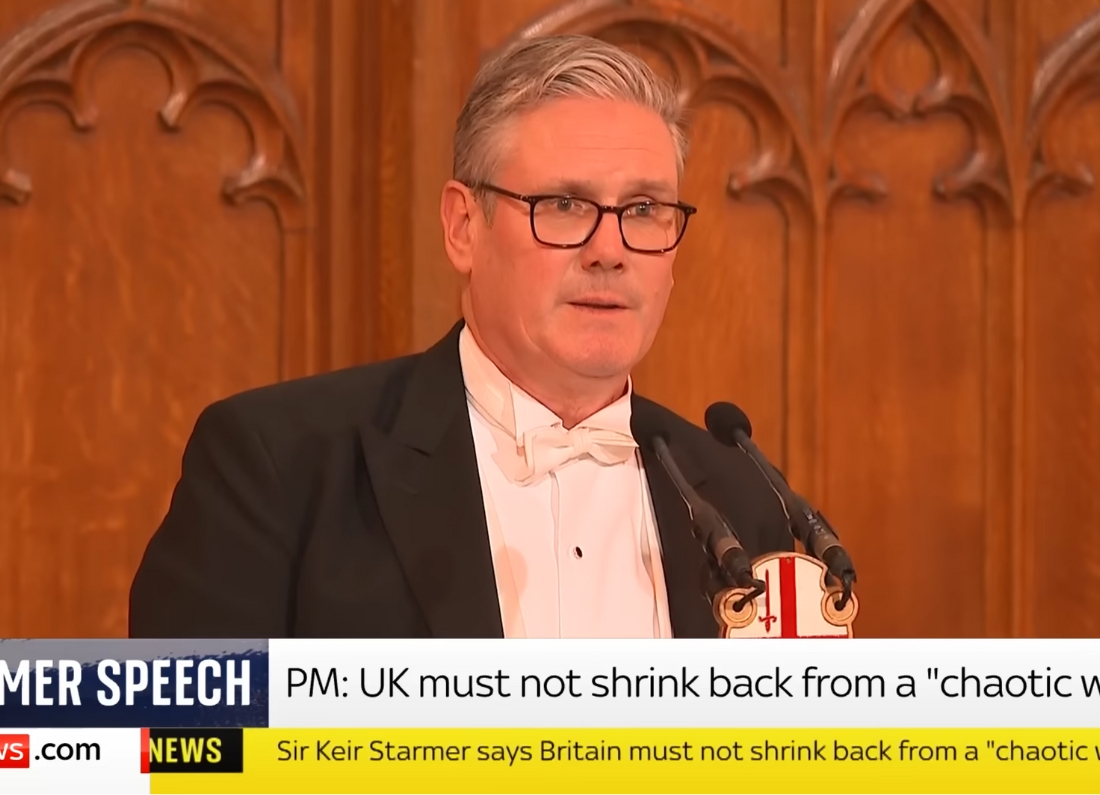
Keir Starmer is facing the most serious internal challenge of his leadership after Labour was humiliated in the Gorton and Denton by-election, finishing a distant third behind both the Green Party and Reform UK in a constituency the party had held for decades.
The result sent shockwaves through Westminster on Friday morning, triggering an immediate and very public outbreak of Labour infighting that party insiders privately admit could define whether Starmer survives as prime minister into 2027.
What Happened in Gorton and Denton
Labour’s collapse in the Greater Manchester seat was stark. The party, which won the constituency comfortably at the 2024 general election, saw its vote share plummet as voters deserted to both ends of the political spectrum. The Greens took the seat, with Reform UK pushing Labour into third – a combination that would have been almost unthinkable in the constituency just eighteen months ago.
The result was made worse, many in the party believe, by Starmer’s decision not to back Andy Burnham – the popular Greater Manchester Mayor – as Labour’s candidate. Critics inside the party say that call was politically catastrophic in a seat where Burnham commands genuine local loyalty.
Labour MP Karl Turner did not hold back. “My message to the prime minister is this: why don’t we try and be Labour?” he said, in remarks that encapsulate the frustration now openly boiling over on the backbenches.
Rayner Breaks Cover
Perhaps the most significant intervention came from Angela Rayner, the deputy prime minister, who broke with the usual post-result discipline that Labour governments typically demand of their senior figures.
Posting on X, Rayner said the result “must be a wake up call” and called on the party – and implicitly its leader – to “be braver.”
“It’s time to really listen – and to reflect,” she wrote. “Voters want the change that we promised and they voted for. If we want to unrig the system, if we want to make the change we were sent into government to make, we have to be braver.”
Her decision to speak out publicly, rather than confine criticism to private channels, will fuel speculation about her own ambitions and her relationship with Starmer. Senior figures speaking out after by-election defeats is not unusual – but Rayner is not a backbencher. She is the deputy prime minister, and her words carry considerable weight.
Calls For Starmer To Go
Beyond Rayner’s carefully worded message, others were less restrained.
Maryam Eslamdoust, general secretary of the TSSA union – which is affiliated with Labour – called on Starmer to announce his departure immediately. “It’s clear that the disastrous lurch to the right under Keir Starmer is haemorrhaging Labour votes to the Greens,” she said. “There’s an urgent need for a change in leadership.”
Labour MP Brian Leishman, one of Starmer’s most consistent internal critics, also repeated his view that the prime minister must go. “He has proved that he is not the leader that can and will do that,” Leishman said. “He has to go for the good of Scotland, the UK and the party.”
A Labour source was blunt about what the result represented. “Blue Labour need to be done,” the source said. “This result shows you can’t ape Reform rhetoric and alienate your own voters and expect thanks.”
The Pushback: ‘Don’t Overreact’
Not everyone in the party is calling for Starmer’s head. A senior Labour figure urged colleagues to keep perspective, pointing out that by-election defeats – however painful – do not automatically translate into general election trends.
“The Greens can win a by-election, but they cannot win a general election,” the source said, adding that the Green Party’s policy platform, which includes positions on drug legalisation and NATO, would face intense scrutiny at a national contest that a by-election protest vote never does.
The comparison to George Galloway – who won seats at by-elections only to lose them at general elections – was also made, as allies of Starmer sought to frame the result as a mid-term protest rather than a structural collapse.
What Comes Next
The result puts Starmer under real pressure heading into what was already expected to be a difficult political year. With local elections on the horizon and Reform UK continuing to poll strongly nationally, Labour faces a genuine strategic dilemma: whether to tack back towards its traditional left-wing base to stem Green advances, or hold its centrist course and risk further defections in its northern and Midlands heartlands.
Neither option is without risk. Moving left hands Reform a narrative about a government losing its nerve. Staying the course invites more results like Gorton and Denton.
What Friday’s result made clear is that the coalition Labour assembled in 2024 is fracturing faster than most in the party expected – and that the debate about what to do about it has now broken out into the open.
You may also like: Union chief urges Angela Rayner to replace Keir Starmer as Labour leader




Leave a Reply