

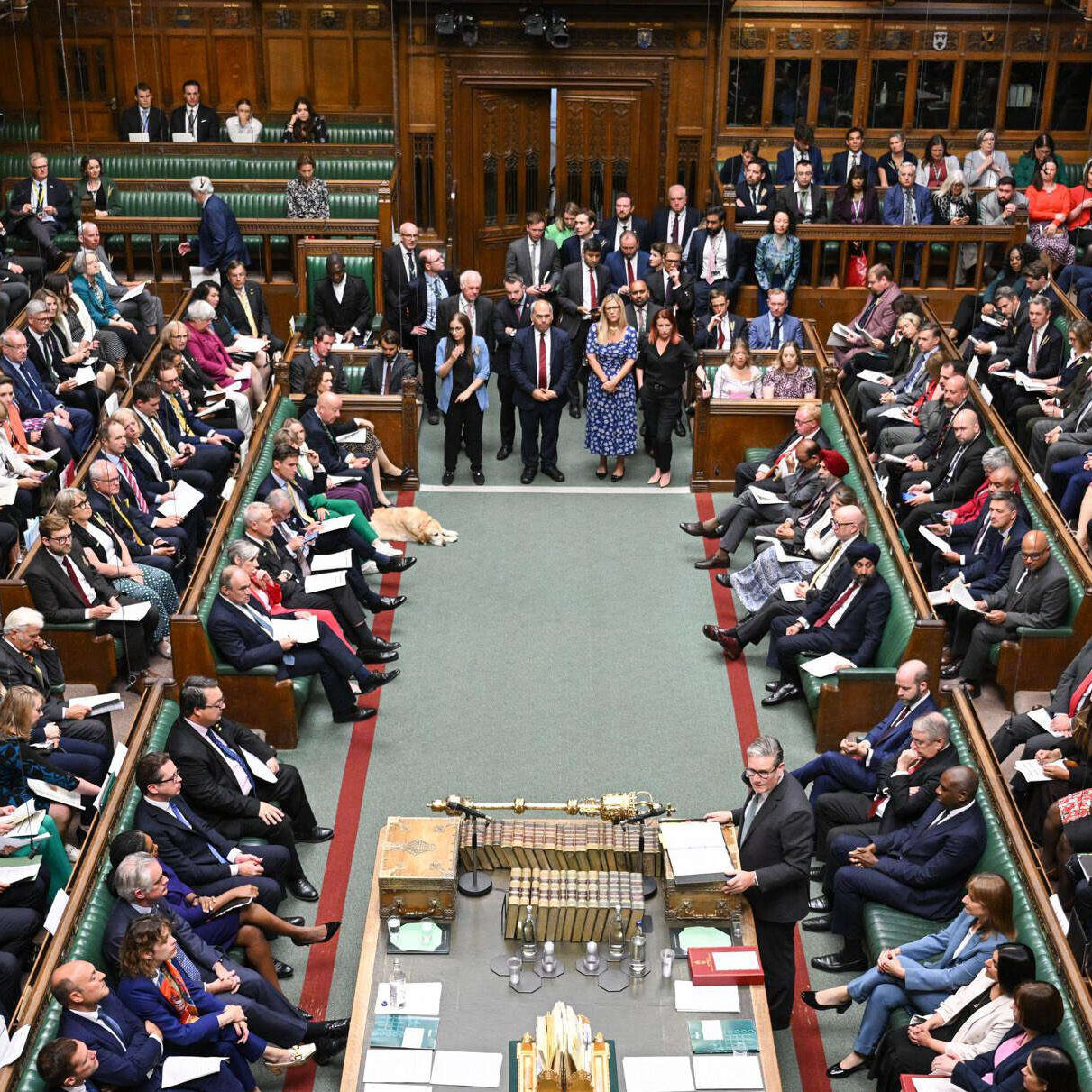
A suspended Labour MP arrested on suspicion of rape, child sexual offences and child abduction has said he will not resign, despite mounting local pressure for him to step aside while a police investigation continues.
Dan Norris, the MP for North East Somerset and Hanham, has not attended Parliament in person since he was released on police bail after his arrest in April 2025. He remains on conditional bail and has not been charged. Avon and Somerset Police has said the investigation is ongoing and has previously urged the public not to speculate while enquiries continue.
The case has reignited a wider debate about what happens when an MP is under criminal investigation but is not charged, and what formal mechanisms exist for constituents who feel their representation has been weakened. Under current law, an MP does not automatically lose their seat because they have been arrested, bailed, or even charged. The routes to removal are narrow and are mainly triggered only after specific parliamentary or criminal justice thresholds are met.
What Norris has said since his arrest
In a response shared publicly by the petition organisers, Norris said he would continue to represent constituents and described his work as including “handling casework and policy queries, asking parliamentary questions, voting, and staying across local and national developments”.
LabourList also reported that Norris rebuffed calls to resign and said he would continue representing the constituency, prioritising urgent cases and raising issues with public bodies and ministers.
The political context is complicated by the fact Norris has been suspended by the Labour Party and had the Labour whip removed, meaning he is not currently sitting as a Labour MP in the Commons.
Background to the arrest and police investigation
Norris was arrested in early April 2025 after Avon and Somerset Police said a man in his 60s had been detained on suspicion of sexual offences, including rape and offences involving a child, as well as child abduction and misconduct in public office. Police said most alleged offences related to the 2000s, while an alleged rape offence was being investigated from the 2020s. He was released on conditional bail while enquiries continued.
Police described the investigation as “active and sensitive” and said the complainant was receiving specialist support.
Local reporting later noted the investigation’s complexity and that Norris remained on bail months after his arrest, without charge.
How constituency representation works while an MP is absent
MPs have two core functions: parliamentary work at Westminster (debates, votes, committees, questions) and constituency work (casework and local representation), typically delivered through a staffed office.
When Norris was first arrested, the Bristol Cable reported that the constituency office indicated it would remain open and continue handling casework.
Meanwhile, Norris has been able to keep a parliamentary footprint through formal mechanisms even while not attending in person. One of those is proxy voting, which allows another MP to cast votes on his behalf in the Commons under agreed rules. Local reporting in 2025 described Norris beginning to use a proxy vote while banned from the parliamentary estate.
He has also continued to submit written parliamentary questions, including questions recorded under his name as the MP for North East Somerset and Hanham.
Critics argue that these mechanisms do not fully replace an active, present MP, particularly when constituents want visibility, public meetings, or advocacy that feels immediate. Supporters of the current approach counter that it protects due process and avoids political punishment before any charging decision, while still allowing casework and parliamentary participation to continue in limited ways.
The petition calling for resignation and what it can and cannot do
A Change.org petition calling on Norris to resign has attracted significant support since it was launched in 2025. Its text stresses the principle of “innocent until proven guilty” while arguing that the circumstances have diminished his ability to represent the area effectively.
You can sign it here.
However, an online petition is not the same thing as a formal recall petition under UK law. The legal recall process is triggered only if one of the statutory conditions is met, and it is administered by the local petition officer with set rules and a defined six-week signing period.
When a recall petition can happen, and the key thresholds
The Electoral Commission and the House of Commons Library set out three main routes that can trigger a recall petition for an MP.
A recall petition can be opened if an MP is convicted of an offence in the UK and receives a custodial sentence (including a suspended sentence) after the appeal process is exhausted; if they are suspended from the House of Commons for at least 10 sitting days (or 14 calendar days) following a standards process; or if they are convicted of an offence relating to false or misleading expenses claims under the Parliamentary Standards Act 2009.
If a recall petition is opened, eligible constituents have six weeks to sign. If at least 10% of eligible voters sign, the MP loses their seat and a by-election follows. The recalled MP is allowed to stand in the by-election.
Separate from recall, an MP sentenced to more than 12 months in prison is automatically disqualified from the Commons under longstanding rules, which means the seat becomes vacant without the recall process being the primary route.
In Norris’s case, because he has not been charged and there is no conviction, none of the recall triggers described above appears to have been met on the information currently in the public domain.
What happens next
The immediate next steps depend on decisions made by prosecutors and investigators. If the investigation leads to charges, the criminal justice process would then take its course. If it does not, the matter may conclude without charges being brought. Either way, the political questions around accountability, representation and party discipline are likely to remain live.
For constituents, the practical position is that casework can still be pursued through the MP’s office, while some parliamentary activity can continue via proxy voting and written questions. For those demanding resignation, the main pressure remains political rather than legal unless and until a statutory recall trigger is met.
You may also like: UK by-elections explained: what happens when MPs defect







Leave a Reply