


Labour has been accused of quietly backing cousin marriage after a Private Members’ Bill seeking to ban the practice failed to progress in Parliament, with MPs no longer sitting on the day a debate had been scheduled.
The Marriages (Prohibited Degrees of Relationship) Bill, introduced by Conservative MP Richard Holden, was due to receive its second reading this week. However, with the House of Commons not sitting, the bill has now made no legislative progress for more than a year.
🟦 Bill stalled as Commons timetable collapses
Holden’s bill, first introduced as a Ten Minute Rule Bill in December 2024, seeks to prohibit first-cousin marriages in England and Wales, citing public health risks and safeguarding concerns.
Although the bill appeared on parliamentary business papers earlier this year, the cancellation of Commons business on January 9 means it has now been stalled for 395 days.
Unless the government allocates parliamentary time or the bill is prioritised by the whips, it is expected to fall entirely after the next King’s Speech – forcing it to be reintroduced from scratch.
Only a small fraction of Private Members’ Bills ever reach a second reading, with Fridays typically reserved for such legislation and competition for time intense.
🟦 Holden accuses Labour of ‘turning a blind eye’
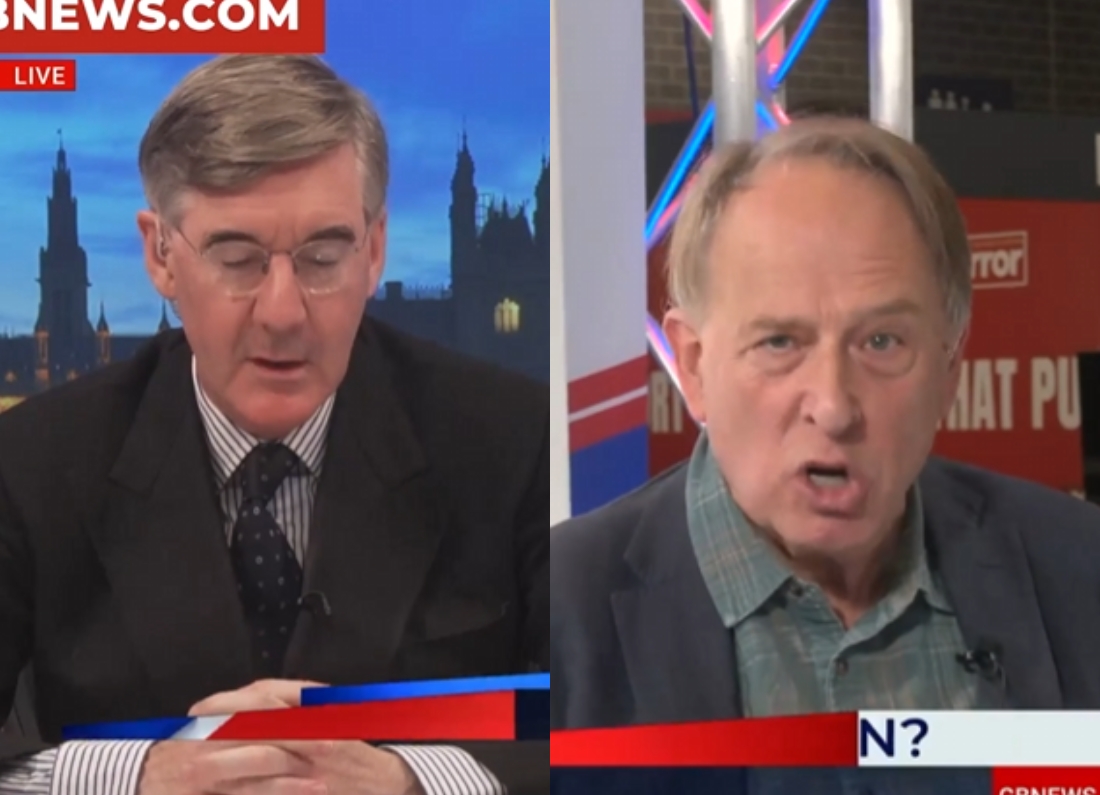
Speaking to GB News, Holden accused Labour of deliberately blocking progress.
“If you don’t back first-cousin marriage, you can just say so,” he said.
“But Labour do back it and they’re trying to hide their secretive support for the practice.”
He argued that cousin marriage is “bound up with serious health implications, closed communities, and the isolation of the vulnerable”, adding that Labour’s refusal to support the bill amounted to allowing the issue to be “kicked into the long grass”.
🟦 Government position remains unchanged
Prime Minister Keir Starmer previously declined Holden’s request to instruct Labour whips to support the bill or allocate time for debate.
During Prime Minister’s Questions last year, Starmer responded to criticism by stating simply:
“We’ve taken our position on that Bill.”
Ministers have since insisted that marriage law is under ongoing review as part of broader reform, rather than committing to a standalone ban.
🟦 Divisions within Labour
Despite the party’s official stance, some Labour MPs have voiced support for prohibition.
Labour MP Neil Coyle warned that the “prevalence of infant mortality and birth defects alone warrants the ban”.
Health Secretary Wes Streeting also criticised NHS guidance which previously suggested first-cousin marriage could have benefits.
“First-cousin marriages are high-risk and unsafe,” he said. “We see the genetic defects and harm that it causes. That advice should never have been published.”
However, Streeting stopped short of formally endorsing Holden’s bill.
🟦 Cultural and political sensitivities
MP Iqbal Mohamed became the first parliamentarian to publicly defend cousin marriage, arguing that in some communities it helps build family bonds and financial security.
The issue remains politically sensitive, particularly in constituencies with large Muslim populations. Cousin marriage remains legal and culturally accepted in parts of South Asia, the Middle East and North Africa.
Globally, around 10% of marriages involve cousins. In some rural areas of Pakistan, the rate exceeds 80%, while research in Bradford found consanguineous marriage rates of 46% among British Pakistanis in 2023.
First-cousin marriage is also more prevalent among members of the Irish Traveller community.
🟦 Health evidence cited by campaigners
A growing body of UK research has raised concerns about health outcomes linked to cousin marriage.
Studies cited by campaigners show:
- Children of first cousins are twice as likely to be born with congenital defects
- Certain recessive genetic disorders carry up to a one-in-four risk
- Higher likelihood of speech, language and developmental delays
A University of Bradford study found children born to cousin couples were significantly less likely to reach a “good level of development” in early childhood.
🟦 Polling reveals public divide
A YouGov poll last year found strong public support for a ban overall, with notable differences by ethnicity.
Around 77% of white and Indian Britons supported a ban, rising to 82% among black Britons.
Support was lower among Pakistani and Bangladeshi respondents, with 39% saying cousin marriage should remain legal.
Labour received a plurality of votes from Pakistani and Bangladeshi Britons at the 2024 General Election, a factor critics say complicates the party’s position.
🟦 Long-running debate resurfaces
Former Labour MP Ann Cryer called for a debate on the health risks of cousin marriage as far back as 2005.
She argued the issue should be treated as a public health matter, comparable to smoking or obesity, and said communities should be encouraged to “look outside the family” when choosing partners.
Her comments at the time sparked controversy and accusations of racism, a pattern campaigners say continues to inhibit open discussion.
🟦 What happens next
Unless the government intervenes, Holden’s bill is expected to lapse entirely at the next King’s Speech.
That would leave the future of cousin marriage reform unresolved – once again caught between public health concerns, cultural sensitivity and political calculation.
3 responses to “Labour accused of blocking vote on banning cousin marriage as bill stalls again”
-
Labour putting votes before health and wealth of the nation
-
I have seen enough evidence as a nurse. Babies coming in who are deaf, blind, can’t swallow and tube fed. Life expectancy very low! These mums are told it’s due to first cousin marriage but seem to accept there is no choice due to control by family hierarchy!
It’s a tragedy! These mums are name is consanguineous!
Disability payments are huge as is the cost to the NHS!
It’s disgraceful in a 26th century that this practice hasn’t been outlawed by the world. -
It is truly shameful if Labour had blocked this bill. Many children suffer disabilities from marriages between cousins. To let children suffer for their parents vote is beyond callous. As a long term Labour supporter if they don’t put children first they will lose my vote.










Leave a Reply