

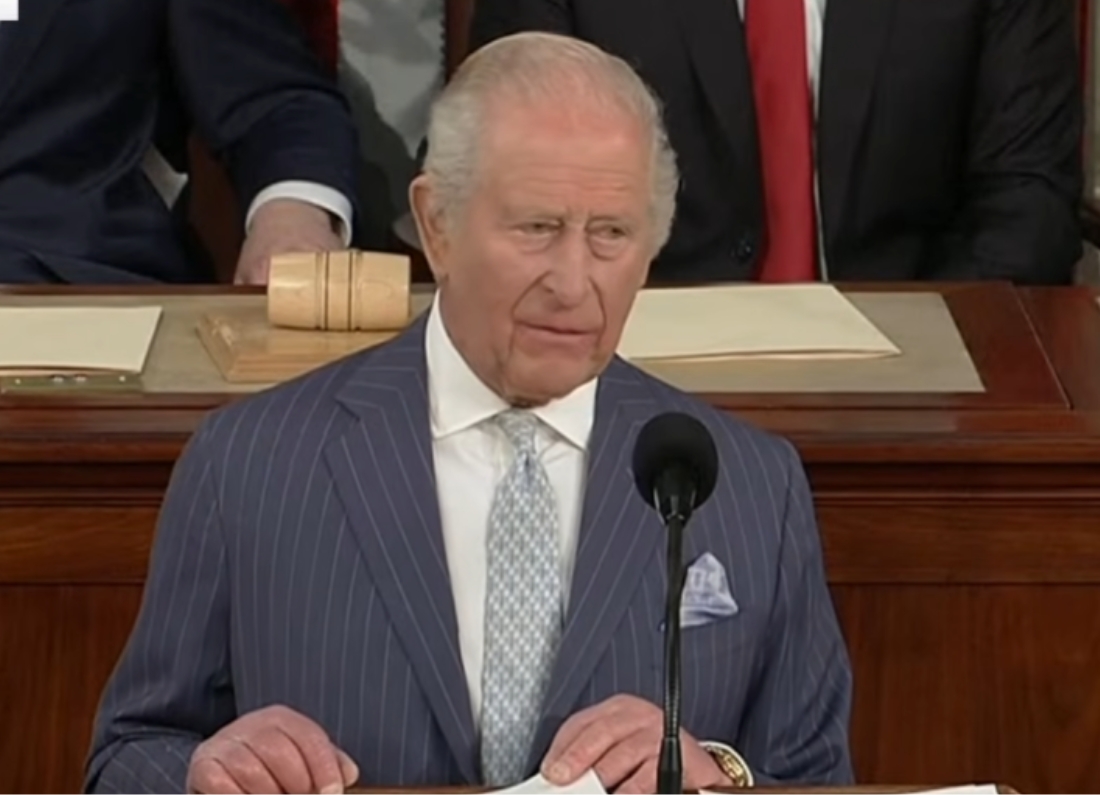
A Green MP is preparing a bid to bring the King and the Royal Household under the Freedom of Information Act, in what would be one of the most significant transparency reforms to the monarchy in modern British history.
Sian Berry, MP for Brighton Pavilion, intends to introduce a Freedom of Information (Amendment) Bill that would extend the 26-year-old legislation to cover the Royal Archive, the Duchies of Cornwall and Lancaster, and communications between the Sovereign and public bodies – all of which are currently exempt.
What the bill would do
“It is outrageous that there is a specific carve-out under freedom of information legislation for the royal family,” Berry told the Press Association. “This unnecessarily shields what should be a perfectly normally accountable part of our constitution, and it has to go.”
The Royal Household and the Sovereign are not classified as public authorities under the Freedom of Information Act 2000, which means other public bodies can also withhold communications with the monarch and his office. Berry’s proposed amendment would end that exemption. She has been clear that the bill is focused on the royal family’s use of public assets and their public functions – “things that are part of the job, not part of their own private lives.”
The Royal Archive alone is a vast collection of historical documents spanning over 250 years, housed at Windsor Castle’s Round Tower. The Duchy of Cornwall – which funds the Prince of Wales and now belongs to Prince William – and the Duchy of Lancaster – the sovereign’s private estate – would also fall under the proposed legislation.
The Andrew factor
The push for greater royal transparency comes against a backdrop of increasing public scrutiny of the monarchy’s dealings. Parliament voted earlier this year to demand publication of papers concerning Andrew Mountbatten-Windsor’s 2001 appointment as a special representative for trade and investment. The subsequent 31-page dossier revealed attempts to prevent him from being offered “golfing functions” overseas and noted his preference for “ballet rather than the theatre.”
Andrew was arrested in February on suspicion of misconduct in public office, interviewed under caution, and remains under investigation. The episode has sharpened the debate about how much information the public is entitled to about how members of the royal family have conducted themselves in publicly-funded roles.
How FOI works – and why royals are exempt
The Freedom of Information Act gives the public a general right to access information held by public bodies. However, Section 37 specifically exempts “communications with the sovereign” and their heirs. Other existing exemptions protect special forces missions, MPs’ residential addresses, advice to ministers on policy formulation and information that could prejudice the UK’s foreign relations. Berry’s bill would not remove those existing exemptions – it would specifically target the royal carve-out.
For the bill to become law it would need to be presented to parliament and approved by both MPs and peers. The government is not expected to support it.
The wider transparency debate
Berry’s bill lands at a moment when questions of institutional accountability are running through British politics more broadly. The Green Party has had its own clashes with the press over transparency and accurate reporting, while Green MPs have been pushing for greater scrutiny of parliament’s own culture including the taxpayer-subsidised drinking culture at Westminster.
There is also a broader political context. Support for the monarchy, while still majority opinion in Britain, has been in long-term decline particularly among younger voters. Whether Berry’s bill gathers momentum will depend partly on whether other parties are willing to associate themselves with it – and partly on how the Andrew investigation develops in the months ahead.
Berry’s framing is deliberately moderate: she is not calling for abolition, not questioning the constitutional role of the Crown, and not targeting the private lives of royal family members. She is simply asking that an institution funded substantially by the taxpayer and operating at the centre of British public life be subject to the same transparency rules as any other part of that public life.
The government’s opposition to that proposition is, in itself, something voters may wish to form a view on.
Do you think the monarchy should be subject to FOI?








Leave a Reply