

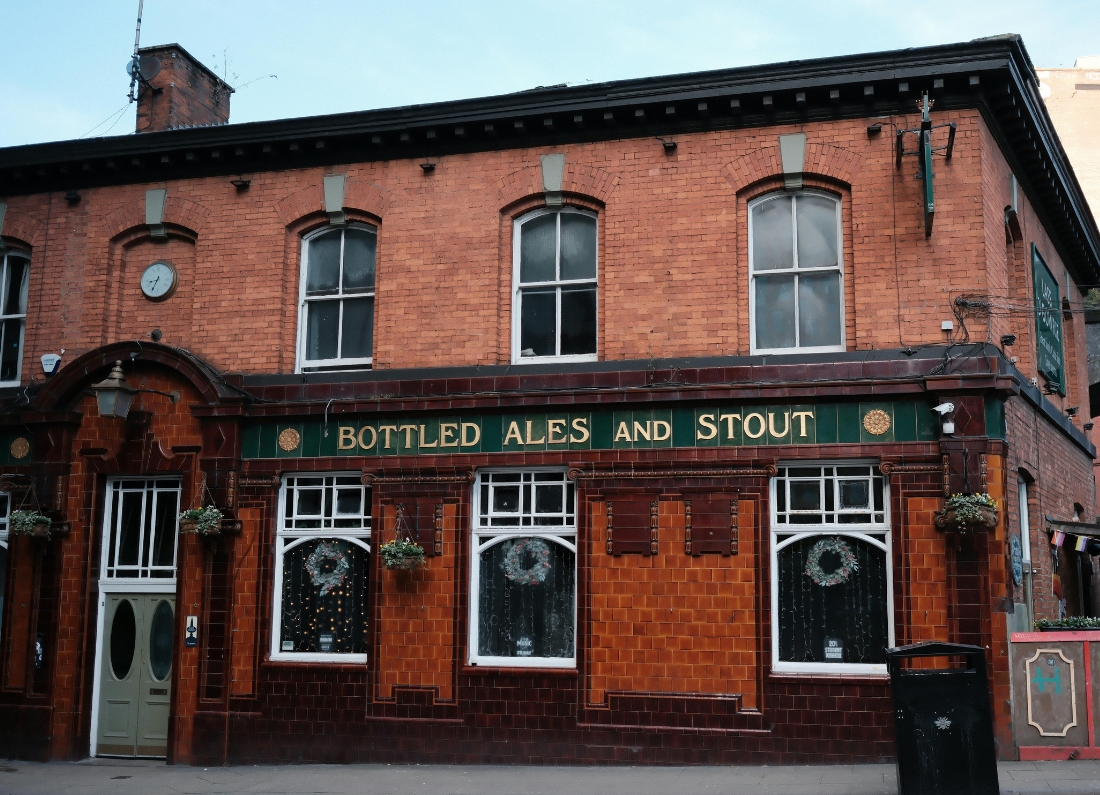
Pubs and grassroots live music venues in England are set to receive a new business rates discount from April after the government announced a targeted relief package, rowing back on some of the sharpest increases expected under the 2026 revaluation.
Ministers have faced sustained pressure from the hospitality sector over the combined impact of higher wage costs, increased employer National Insurance contributions and the end of some pandemic-era support, with operators warning that a steep rise in fixed bills could push marginal venues over the edge.
Speaking in the Commons, Treasury minister Dan Tomlinson said: “Pubs are the cornerstone of so many communities, they are essential to the social and cultural life of so many places across the country.”
Under the new plan, eligible pubs will receive 15% off their new business rates bill in 2026/27, with bills then frozen in real terms for a further two years, meaning increases would be limited to inflation in 2027/28 and 2028/29.
The Treasury has said the change will save the average pub an additional £1,650 in 2026/27, and that around three-quarters of pubs will see their bills fall or stay flat next year.
What is changing, and who qualifies?
Business rates are a property tax paid by businesses, broadly linked to the “rateable value” of a premises, which reflects an estimate of its rental value. In April, the new rateable values from the revaluation are due to take effect, reshaping bills across the country.
The government’s guidance sets out a specific definition for which venues count as pubs for the purposes of the new relief. To qualify, premises must be open to the general public, allow free entry other than occasional entertainment, allow drinking without requiring food to be consumed, and permit drinks to be purchased at a bar.
The same guidance says the pub definition does not include restaurants, cafes and nightclubs, hotels and guesthouses, sporting venues, festival sites, theatres and concert halls, cinemas, museums and casinos, while noting that local authorities will judge borderline cases where eligibility is unclear.
Live music venues are also included, defined as properties used wholly or mainly for performances of live music for the purpose of entertaining an audience, where other activities are incidental and do not alter that primary use. The guidance excludes premises used mainly as a nightclub or theatre for planning purposes.
Tomlinson told MPs that live music venues were included partly because so many overlap with pubs, saying: “Many live music venues are valued as pubs and many pubs are grassroots live music venues. It would not be right to seek to draw the line so tightly so as to include some and not others.”
A relief package, but not for everyone
The narrow targeting is part of why the announcement has sparked an immediate political and industry argument about who has been left out.
Sky News reported that the package does not apply to restaurants, soft play centres and cafes, and that it does not extend to recording studios, even when studios sit within the wider creative economy.
In response to the Commons statement, shadow chancellor Sir Mel Stride questioned whether the plan went far enough, asking: “Is that it?” He described the relief as “a temporary sticking plaster” and said: “Support must be permanent. We have to cut business rates for our high streets to give certainty to local businesses.”
The Liberal Democrats also criticised the limited scope. Daisy Cooper, the party’s Treasury spokesperson, called it a “half-hearted U-turn” and said ministers should “press ahead with the full 20p discount it promised to every retail, hospitality and leisure business” and back an emergency VAT cut for hospitality until April 2027.
From the industry side, UKHospitality said the announcement was “welcome” and showed the government had “listened” on cost pressures, but warned that the problem is not confined to pubs. Its chair, Kate Nicholls, said: “The rising cost of doing business and business rates increases is a hospitality-wide problem that needs a hospitality-wide solution.”
She added that “restaurants and hotels” were still facing “severe challenges” and that, without further action, businesses would face “increasingly tough decisions on business viability, jobs and prices for consumers”.
Why the government says pubs are a special case
The Treasury is positioning the package as part immediate relief, part longer-term reform. In a government press release, Chancellor Rachel Reeves said: “If we’re going to restore the pride in our communities, we need our pubs and our high streets to thrive. We’re backing British pubs with additional support.”
That same release argues pubs have faced prolonged pressure and declining numbers, and says the government will launch a review into the method used to value pubs for business rates, with any decisions intended to feed into the 2029 revaluation.
The technical detail matters because pubs are not valued in the same way as many other premises. Government material says that while most shops, cafes and restaurants are valued by comparing physical size, pubs are often valued by assessing turnover potential, and industry bodies have raised concerns about how costs are accounted for, particularly during high inflation.
The Treasury also published an explainer showing how the new 15% relief could interact with other schemes such as transitional relief and small business support, effectively smoothing bill increases before applying the discount.
England-only rates relief, with wider knock-on effects
One point likely to cause confusion is geography. Sky’s reporting described relief “across England and Wales”. In practice, business rates policy is devolved, and the government’s press release says the new business rates relief applies to England only, but will generate Barnett consequentials for devolved administrations to allocate as they choose.
Alongside rates policy, ministers are also linking the package to other measures that could affect pubs and venues in England and Wales, including licensing changes tied to this summer’s FIFA Men’s World Cup in North America.
World Cup opening hours and planning changes
Tomlinson told MPs the government will allow pubs and other licensed venues to stay open later for home nations’ matches in the later stages of the Men’s FIFA World Cup this summer, with pubs able to open until 1am or 2am depending on kick-off time.
Government guidance says the World Cup extension would allow pubs in England and Wales to stay open late without applying for a temporary event notice for certain home nation matches, including up to 1am for quarter-finals, semi-finals and the final where matches start at or before 9pm, and up to 2am for quarter-finals with a 10pm start.
Ministers also say they will consult in spring on loosening planning rules so pubs can expand their main room or add guest rooms without a full planning application, as part of a wider High Streets Strategy expected later this year.
What happens next, and what the argument is really about
The core political dispute is not whether pubs matter, but whether targeted relief is enough when multiple sectors are facing the same underlying pressure: higher fixed costs meeting cautious consumer spending.
The British Chambers of Commerce described the package as “good news for pubs and music venues” but said it “does not go far enough to protect many other businesses which are under huge pressure”.
Helen Dickinson, chief executive of the British Retail Consortium, said support should be “targeted at all those on the high street whose bills will see the biggest rises, whether they are pubs, shops or cafes”.
From the creative industries, UK Music’s chief executive Tom Kiehl urged ministers not to forget recording studios. “Why should the studio used to film Hamnet be entitled to business rate relief, yet the studio used to record the soundtrack not be eligible?” he said. “This is pure discrimination and recording studios must not be treated as poor cousins in the creative economy. The government must think again.”
For pubs and grassroots venues that do qualify, the change offers a clearer view of the next three years of bills at the point revaluation hits. For everyone else, the announcement is likely to intensify the push for broader reform of the system, and for a clearer explanation of which high street businesses will be protected as the new valuations take effect from April.
You may also like: Hundreds of jobs lost as Revolution and Revolución de Cuba owner enters administration






Leave a Reply