

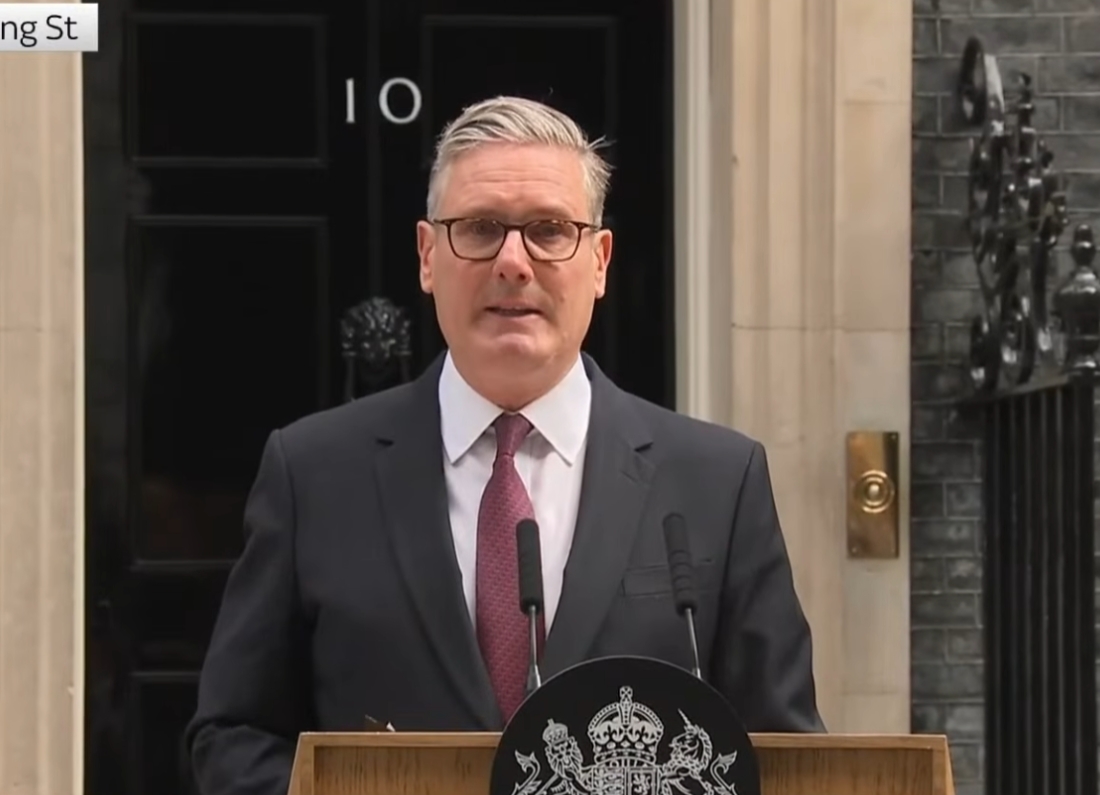
A Home Office minister has called for legislation requiring a general election whenever a prime minister is replaced by their own party, a proposal that has landed with a thud in Westminster on the morning Keir Starmer resigned as Labour leader.
Mike Tapp posted his suggestion on X as the UK prepared to move to its seventh prime minister in a decade. “Is it time to legislate: if a change of leader is forced by its own party then a general election must be called,” he wrote. “That would stop the constant churn and focus all politicians on delivery, instead of workplace politics. These endless ‘house of cards’ games would end and the country would benefit. Let’s legislate to focus minds.”
The constitutional argument
Tapp’s proposal touched a nerve immediately. His Labour colleague Josh Fenton-Glynn was blunt: “Mike Tapp appears surprised that we are a parliamentary democracy. The last two prime ministers to win an election then lose their job at the next election were Major and Wilson – course correction mid-term in response to the public is the norm, not the exception.”
Fenton-Glynn’s point is constitutionally straightforward. Under Britain’s parliamentary system, voters elect MPs, not prime ministers. The government commands a majority in the Commons, and it is that majority – not a fixed leader – that gives it the right to govern. When a party removes its leader, it does not change the parliamentary arithmetic. The mandate belongs to the party, not the person at the top of it. This is precisely why Boris Johnson, Liz Truss and Rishi Sunak were all able to enter Downing Street without going to the country, and why Burnham, if he wins the Labour leadership, would be constitutionally entitled to do the same.
The case for Tapp’s idea
That said, Tapp is articulating something that many members of the public feel strongly. Britain has had seven prime ministers in ten years – Cameron, May, Johnson, Truss, Sunak, Starmer and now whoever emerges from the Labour leadership contest. None of the last five faced a general election as incoming prime minister. The sense that governments can change hands without anyone actually voting for the change is a genuine democratic frustration, and Tapp’s proposal speaks directly to it.
Some democracies do have fixed-term provisions that trigger elections in specific circumstances, and there is a reasonable argument that the British system’s flexibility – which allows rapid course corrections – also allows governments to avoid accountability for long periods. Analysis published this week found that political authority in Britain has collapsed faster in the last decade than at any point since the war – and that instability at the top is both a symptom and a cause of that collapse.
The practical problems
Beyond the constitutional objection, Tapp’s proposal raises significant practical difficulties. Who decides whether a leadership change was “forced”? If a prime minister resigns under pressure – as Starmer has done – is that forced or voluntary? If a leader is voted out by their MPs, as Johnson effectively was, does that count? The line between a party exercising its democratic right to change direction and a forced removal is not easy to draw in legislation.
There is also a question of incentives. Requiring an election every time a leader changes would not necessarily make politics more stable – it might simply make parties more reluctant to remove leaders who had lost public confidence, for fear of triggering an election at an unfavourable moment. It could entrench bad leadership rather than removing it.
The timing
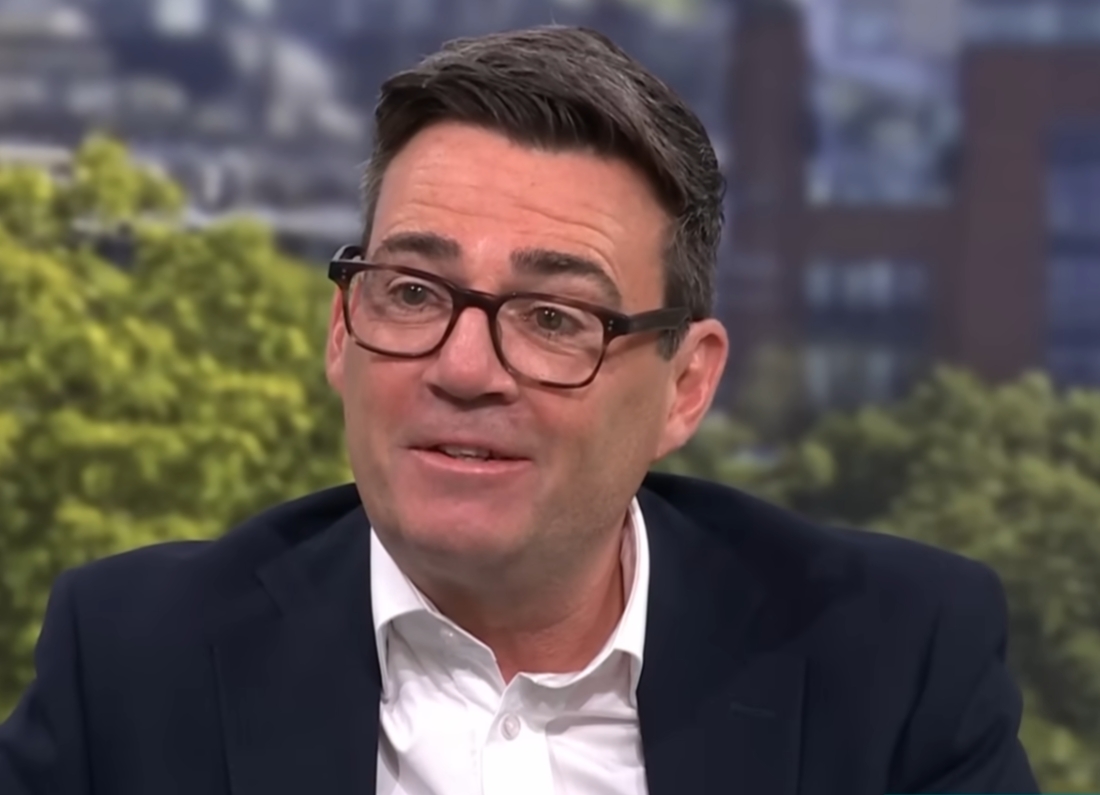
Tapp’s intervention landed on a morning when Andy Burnham – who won the Makerfield byelection by 9,231 votes last Thursday – was being sworn in as an MP and was widely expected to become the next prime minister without facing a general election. Whether or not Tapp intended his post as a comment on that specific situation, it was impossible not to read it in that context.
Kemi Badenoch has separately called on Reform defectors to face their voters in a byelection, making a related but narrower argument that MPs who switch parties owe their constituents a fresh mandate. Tapp’s proposal is broader – and more constitutionally radical – but the underlying instinct is the same: that the public should have more say in who governs them, more often.
Whether that instinct translates into a workable legislative proposal is another question entirely. For now, the debate it has sparked is at least an honest one about a system that many people feel has been delivering changes at the top that nobody actually voted for.







Leave a Reply