A major profile of Laure Ferrari, Nigel Farage’s partner and closest political adviser, published by French newspaper Le Monde, reveals far more about the architecture of Reform UK’s rise than has previously been reported in the British media – from the Strasbourg restaurant where she first met Farage, to the Belgian fraud investigation, to her orbit around Steve Bannon, to the specific role she says she played in pushing Farage to stand for parliament in 2024.
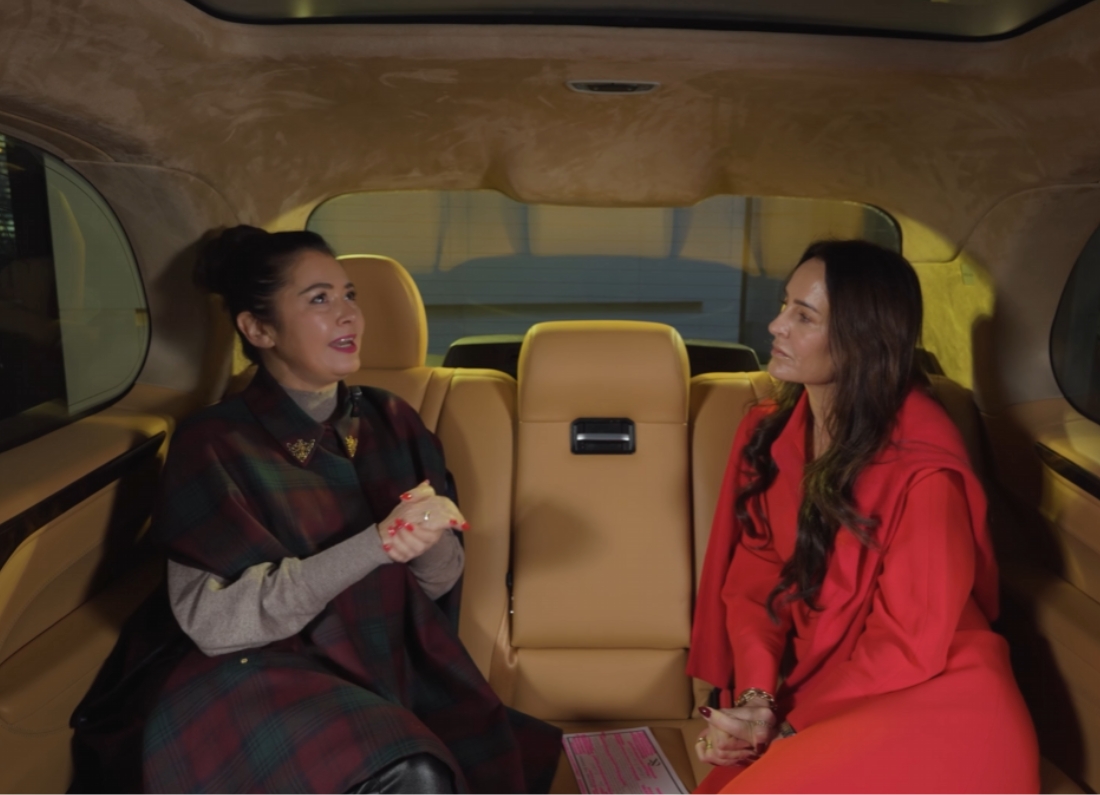
The profile, written by Le Monde journalist Olivier Faye, was conducted over an interview at the Royal Hotel in Clacton-on-Sea. Ferrari, 46, born in Épinal in eastern France, is described in the piece as “the Frenchwoman whispering in Nigel Farage’s ear” – a characterisation she is clearly aware of and uncomfortable with, given that her stated ambition was to avoid being seen as “a schemer pulling strings behind her partner’s back.”
What follows is what the interview and Le Monde’s investigation tells us.
How it started – a Strasbourg restaurant in 2007
Ferrari was working as a waitress at a restaurant called the Cornichon Masqué in Strasbourg when she first met Farage and his colleague Godfrey Bloom. The two were MEPs for UKIP and regulars at the restaurant on the sidelines of European Parliament sessions. Farage was, at the time, “a noisy but marginal figure in British political life who liked to be seen with a beer in hand to bolster his populist image.”
They got talking. Ferrari had just placed her clothing store into liquidation and had not completed her studies in English civilisation and communication. She was fluent in English and had been politically engaged since voting “no” in the 2005 French referendum on the European Constitution.
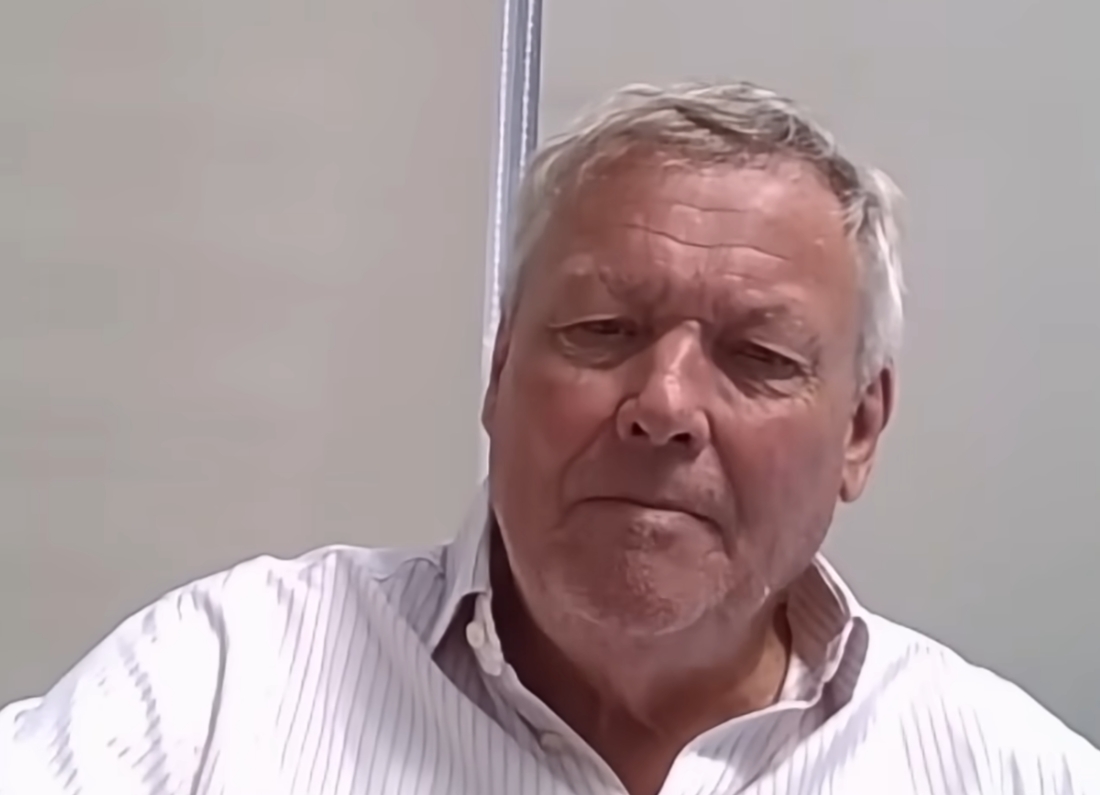
Farage, looking for a French speaker to join his team, hired her as a parliamentary assistant. Ferrari later changed her account of this, saying she had in fact initially worked for Bloom rather than Farage directly. Bloom, now retired, confirmed she had worked for him – adding, with a smile, that “she was attractive to men of a certain age.”
The rise through UKIP – and the Belgian investigation
Ferrari rose quickly. She became head of public relations for the UKIP delegation in the European Parliament, which sat alongside some of Europe’s most right-wing populist parties – Lega Nord, the AfD, Vlaams Belang. She helped make introductions between UKIP and Dupont-Aignan’s Debout la République, the small French sovereignist party she would later stand as a candidate for in the 2014 European elections, receiving 4.16% of the vote.
Between 2015 and 2017, Ferrari led the Institute for Direct Democracy in Europe (IDDE), a think tank directly linked to the European political party to which UKIP belonged. This was a position of trust that gave her access to substantial EU subsidies.
In early 2020, she was questioned by Belgian judicial authorities as part of an investigation into the potential misappropriation of public funds linked to the IDDE. She was not charged. Le Monde reports the investigation without elaborating on its outcome, but confirms it took place.
The Bannon connection
In the summer of 2018, Ferrari, Farage and Belgian populist Mischaël Modrikamen met for lunch in London with Steve Bannon, the former Trump campaign director who was at the time trying to build a pan-European far-right coalition. Bannon wanted to unite far-right movements across Europe and had invested in Modrikamen’s party, Le Mouvement.
Ferrari had helped Modrikamen and Farage “organise their forces in Europe” and was asked to become an administrator of Modrikamen’s new organisation. Bannon dangled the prospect of money from wealthy donors. The project ultimately fizzled out – “Bannon’s promises of funding never materialised,” Modrikamen told Le Monde. Ferrari insists she did not play a truly active role with Bannon. “She was a communication person, she was doing a coordination job,” Modrikamen confirmed.
The three decisions she says she pushed Farage to make
Ferrari claims credit for three specific decisions that shaped Farage’s modern political career.
The first was persuading him to leave UKIP in 2018. She told Le Monde she “couldn’t stand that party anymore” because of what she called its “obsessive anti-Muslim turn.” She told Farage he was “better than that after Brexit.” He subsequently launched the Brexit Party, which won the 2019 European elections in the UK with over 30% of the vote.
The second was encouraging him to appear on I’m a Celebrity… Get Me Out Of Here! in 2023. At the time Farage was at a career low – presenting on GB News without a seat in parliament. Ferrari’s reasoning was strategic: “There were two segments of the population Nigel struggled with: women and young people. The goal was for people to see that he isn’t the villainous, racist, misogynistic and homophobic man portrayed in the newspapers.” The show averaged nine million viewers. Ferrari travelled to Australia to meet him as he left the jungle, making their relationship public for the first time.
The third was the most consequential. Ferrari says she pushed Farage to stand in the 2024 general election rather than travelling to the US to help Trump’s presidential campaign. “His ideas were gaining ground – especially on immigration, let’s call it what it is – there was an appetite wherever he went in the country.” Farage won Clacton with 46.2% of the vote. He has since said he intends to be Prime Minister.
The house – and what Ferrari did and didn’t say
Le Monde also pressed Ferrari directly on the Clacton house. Farage initially claimed to have bought the £885,000 property in Frinton-on-Sea himself before the Guardian revealed it was wholly owned by Ferrari. Farage subsequently attributed the purchase to Ferrari’s “very wealthy French family” – a description the BBC’s investigation found difficult to sustain given that her father’s haulage business was liquidated in 2020 and her parents live in a flat in Strasbourg worth approximately €300,000.
When Le Monde asked Ferrari directly whether she bought the property through a family inheritance, she said: “Yes and no, that would be a very large inheritance… There’s more than one way to pay for a house.” She confirmed her grandmother contributed something but said she could not reveal how much, adding: “The main thing is that I paid all the taxes, there was no tax evasion, and the house is in my name.”
The arrangement saved Farage an estimated £44,000 in stamp duty he would have been liable for as a multiple-property owner. He has denied providing any funds toward the purchase.
What this interview tells us about Reform UK
The Le Monde profile, read as a whole, reveals something important about the nature of Reform UK as a political operation. Ferrari is not simply Farage’s partner. She is a political professional with her own two-decade history in European populist politics, connections to the network of figures who shaped the post-Trump far-right movement in Europe, and a specific track record of strategic decisions that have shaped Farage’s career at critical moments.
The woman sitting in a Clacton hotel in fuchsia pink trousers telling a French journalist that she enjoys “ambassador’s dinners and Ferrero Rocher” is also the woman who ran UKIP’s Brussels operation, was questioned in a Belgian fraud investigation, orbited Steve Bannon’s pan-European project and made the introductions that brought Trump and Farage together for the first time in 2016.
She told Le Monde: “If people elect Nigel Farage, they are not electing Laure Ferrari.” Whether that remains true if Farage ever reaches Downing Street is a question the profile raises without quite answering.
You may also like: The Farage mirage: how a man funded by crypto billionaires sold himself as the voice of the working class