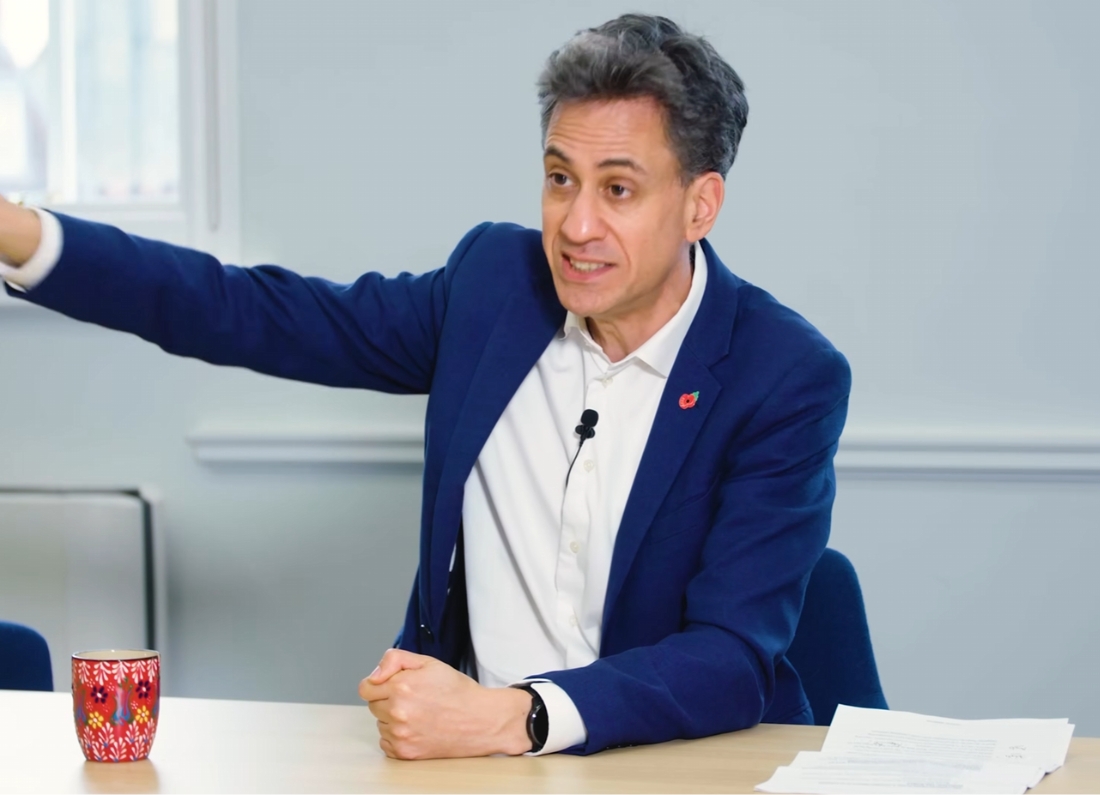
Ed Miliband, who led the Labour Party between 2010 and 2015, is taking soundings from MPs about entering the Labour leadership race as a soft-left candidate to prevent Wes Streeting from becoming Prime Minister – as the Health Secretary is expected to quit the cabinet and formally announce a leadership challenge as early as Wednesday, with Starmer spending Tuesday meeting ministers and MPs in a last-ditch bid to rally support.
The development marks a significant acceleration in a crisis that began with Labour’s catastrophic local election results last Thursday and has since produced 77 public calls for Starmer’s resignation, a Home Secretary-led cabinet delegation into Downing Street and a make-or-break speech from Starmer that failed to stem the tide.
What Miliband is doing – and why
Labour sources told HuffPost UK that Miliband’s team has “gone dark – they are definitely organising.” The former leader has not commented publicly since Starmer’s Monday speech, a silence that Westminster is reading as deliberate.
His potential candidacy is framed explicitly as a blocking operation. The specific concern among the Labour left and soft-left is that if Burnham cannot return to parliament – which requires an unannounced byelection that could take months – and if Streeting moves first, a Streeting-versus-Starmer contest would produce either a Streeting victory or a situation in which the only candidate capable of stopping him does not exist.
Miliband is thought to be more likely than Streeting to win among Labour members, given his greater popularity with the party’s grassroots. The soft-left base that would vote for Burnham would, in Burnham’s absence, be expected to consolidate around Miliband rather than Streeting.
As we reported in our structural explainer on Labour’s leadership rules, the voting system is one member, one vote, by preferential ballot. The members – not MPs – decide the outcome. Streeting’s support among MPs does not translate directly into member votes, and several of his parliamentary allies have explicitly said: “Wes can’t win with the membership.”
The Burnham question
Miliband is understood to stand aside if Burnham returns to Westminster and enters the race. As we reported in our coverage of Rayner’s Sunday statement, the former Deputy Prime Minister explicitly called the blocking of Burnham a mistake – and NEC sources signalled they could reverse that position if Starmer’s authority clearly crumbles.
But Burnham requires a byelection in a seat not yet identified, a process that could take months. As we covered in our leadership crisis piece, his allies have identified Greater Manchester and Merseyside seats where sitting MPs might stand aside and a replacement mayoral candidate is already lined up. None of that has been publicly announced.
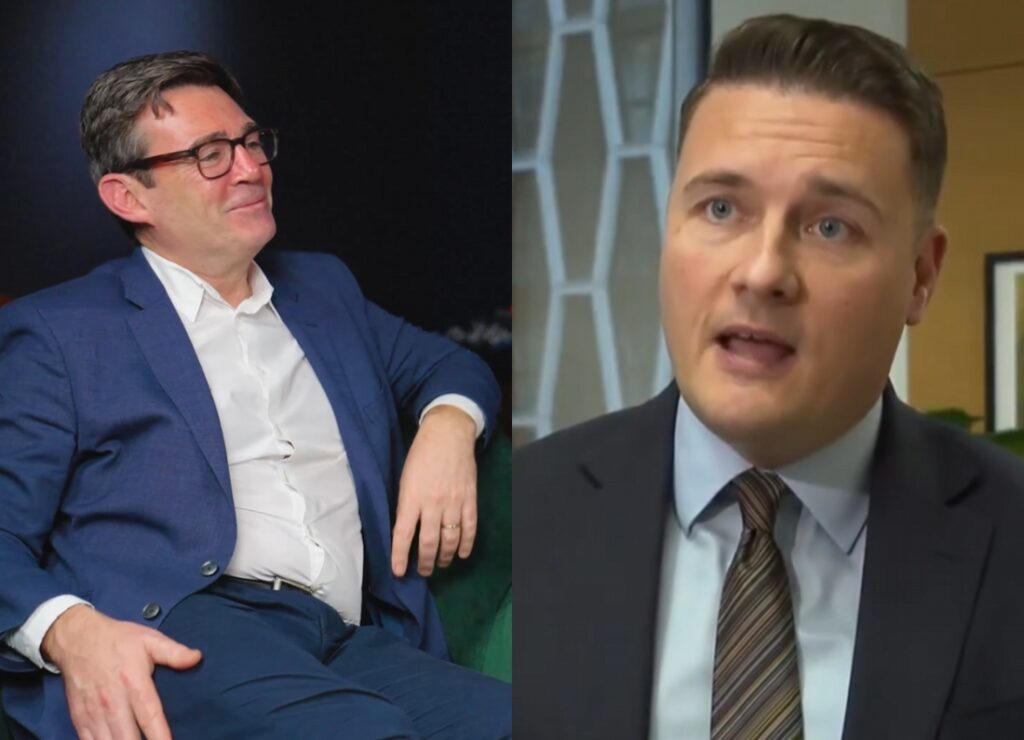
If Streeting launches a challenge before that infrastructure is in place, the contest happens without Burnham. That is the scenario Miliband appears to be preparing for.
Angela Rayner – still out of the picture
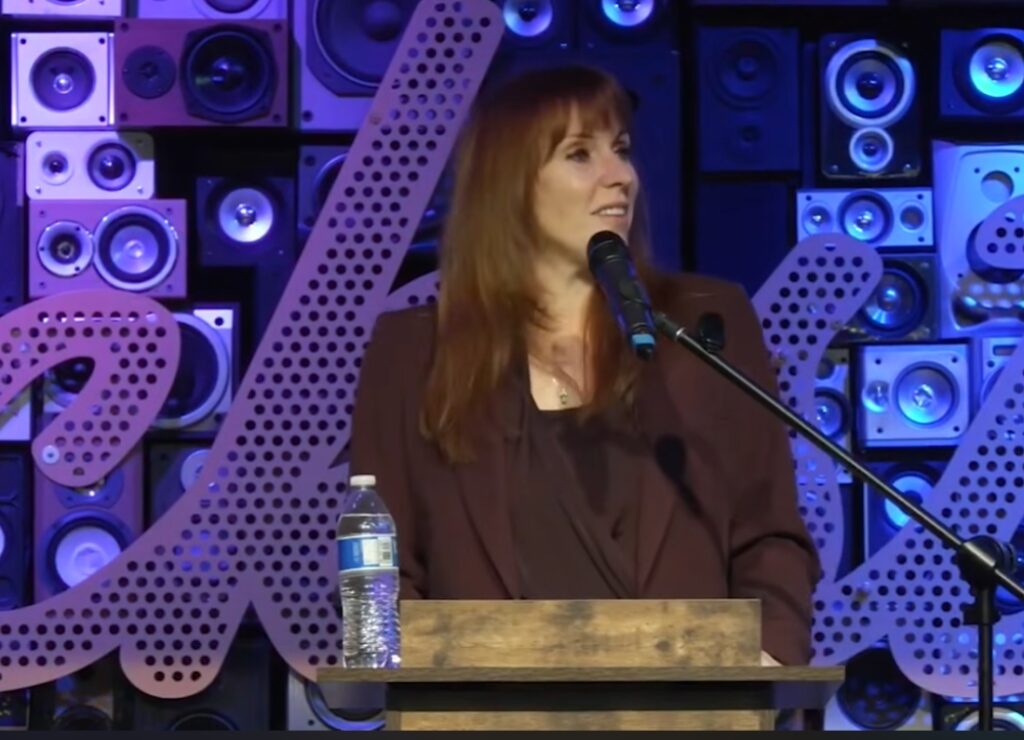
Angela Rayner’s position remains unchanged. She is still under investigation by HMRC over her tax affairs and is not thought to have sufficient MP support at this stage to reach the 81-nomination threshold. As we reported in our Sunday Rayner bombshell piece, allies have suggested she is “no longer determined” to go for the leadership herself and could instead be part of a Burnham-led team. She would be expected to run if Burnham could not, but Miliband’s apparent emergence changes that calculation.
Streeting’s expected move – and the timing
Streeting is expected to quit the cabinet and announce a formal leadership challenge as early as Wednesday. As we reported in our coverage of Monday’s escalation, his allies spent Monday orchestrating a coordinated flow of public statements from MPs aligned to him – including the Labour Growth Group’s Chris Curtis and multiple PPSs – while Streeting himself stayed publicly silent.
The formal act of quitting the cabinet is the moment that transforms the political pressure into a constitutional one. Once a senior minister resigns to launch a challenge, the government’s authority is materially weakened in a way that public statements from backbenchers are not. Streeting’s resignation from the Health Secretary role – the most senior domestic brief in government – would be a significant moment regardless of whether he ultimately wins the leadership.
Labour MP Phil Brickell, an explicit Starmer supporter, offered the clearest prediction of the membership dynamics: “Wes can’t win with the membership.” It is a statement that has been circulating privately for weeks and is now being made in public – specifically to deter Streeting from launching a challenge he is not guaranteed to win.
What Starmer is doing
Starmer spent Tuesday meeting ministers and Labour MPs in a bid to consolidate support, as his latest leadership crisis completely overshadowed the King’s Speech setting out the government’s legislative programme for the coming parliamentary session – an extraordinary juxtaposition that illustrated the degree to which the party’s internal conflict is consuming the government’s capacity to function.
Cabinet ministers loyal to the Prime Minister were deployed in the Commons tearoom on Tuesday, urging Labour MPs not to back any challenge and warning that a contest would “paralyse” the government for months.
Home Office minister Mike Tapp said: “There should not be a leadership race. We are two years in and have a great opportunity to work with the PM to turn the country around. A contest would be damaging for the country and there are no scenarios that play out well.”
Starmer has told allies he is determined to stand in any contest that is triggered. As we detailed in our explainer on Labour’s rules, the sitting leader automatically enters any contest without needing nominations – a protection confirmed in a 2016 High Court case. Whether he could win a member vote against Streeting is genuinely uncertain; whether he could win against Miliband is less certain still.
The King’s Speech overshadowed
The degree to which the leadership crisis has consumed the government’s bandwidth was illustrated Tuesday when the King’s Speech – normally the centrepiece of a parliamentary session and the occasion on which a government sets out its legislative ambitions to the country – passed with minimal political attention, its contents subordinated entirely to the question of who would be Prime Minister to implement them.
As we explored in our James O’Brien piece on political addiction to drama, this is precisely the pattern O’Brien identified: the institutional work of governing – the legislation, the delivery, the unglamorous machinery of public policy – becoming invisible behind the sustained drama of a leadership crisis that feeds the media cycle while consuming the government’s ability to function.
What happens next
The next 24 to 48 hours are the most consequential in British politics since Liz Truss’s mini-budget crashed the bond markets. Streeting is expected to move. Miliband is considering whether to follow. Starmer is fighting to hold his cabinet together. Burnham is watching from Manchester, waiting for a byelection that may or may not materialise in time to change the outcome.
As we reported in our explainer on why ousting Starmer is harder than it looks, Labour’s rules mean this process will take months rather than days. The starting gun, if it is fired tomorrow, begins a race whose finishing line is several months away. The question is not only who wins – it is whether Labour, the government and the country can function normally while the race is being run.