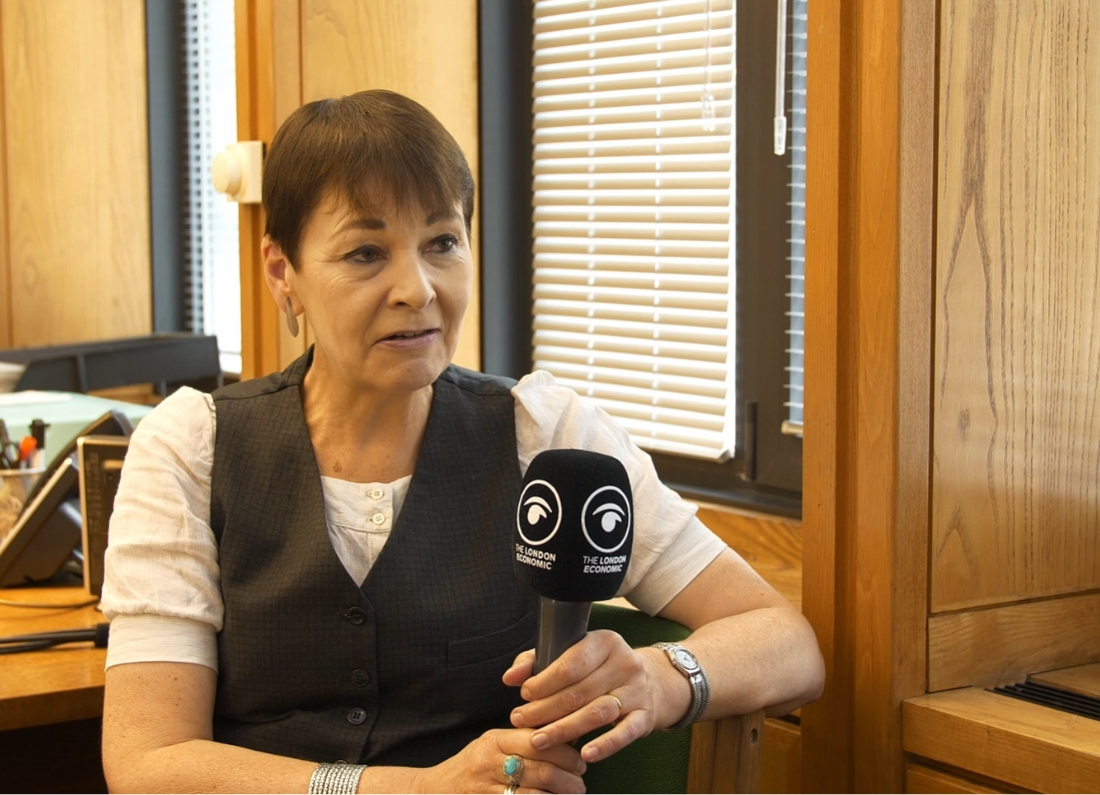
Former Green Party MP Caroline Lucas has publicly urged her own party not to “properly contest” the Makerfield byelection in the event that Andy Burnham is Labour’s candidate, saying Burnham’s commitment to electoral reform could “transform our democracy” and warning that standing a full campaign could help deliver the seat to Reform UK.
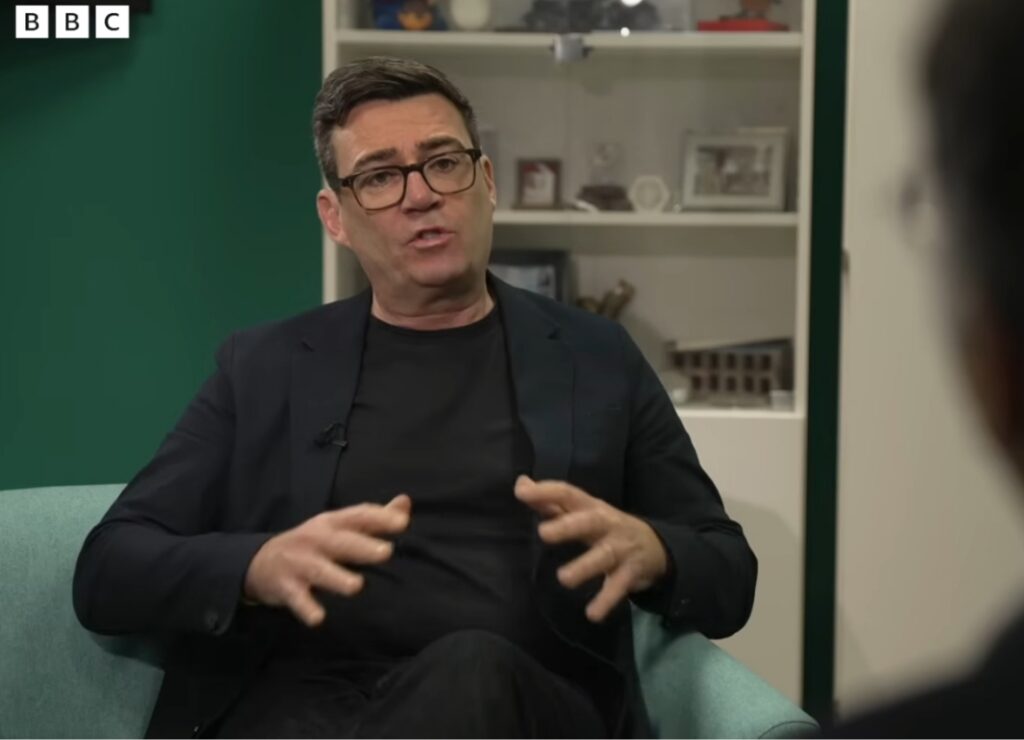
The intervention creates a direct and public split within the Green Party at the moment the byelection – which will determine whether Burnham can return to parliament and formally enter the Labour leadership race – appears most likely to be called. The Green Party had indicated it was already preparing to stand a candidate, with a spokesperson telling the Guardian the party had “already started the candidate selection process.”
What Lucas said
Lucas posted on X: “I hope this isn’t true. There are times when it’s more important to put country before party. This is one of them. Burnham’s longstanding commitment to a fairer voting system could transform our democracy and counter dire threat of a Reform UK government.”
The framing is specific. Lucas is not arguing that Burnham is a brilliant Labour leader who deserves the Greens’ support on his own terms. She is making two distinct arguments: that Burnham’s commitment to proportional representation is a prize worth prioritising above Green Party electoral interests in this specific seat; and that a full Green campaign in Makerfield risks splitting the progressive vote in a way that benefits Reform.
What the Green Party said
A Green Party spokesperson, in response to the Guardian’s original report, said: “We are looking forward to the campaign. We’ve learned from our campaigning and wins in Gorton and Denton and the recent local elections, and we’ve shown we can beat Reform. We’re a democratic party and our local members choose their candidates. We have already started the candidate selection process for any potential byelection in Makerfield.”
The statement is a polite but firm rejection of the tactical voting argument. It asserts the Greens’ right to contest any seat where members choose to do so and explicitly references the party’s recent electoral growth as evidence that standing is justified. The reference to “Gorton and Denton” is significant: the Greens made significant progress there, a byelection that the NEC had previously used as a reason to block Burnham from standing in January.
The electoral maths
The numbers make the Lucas argument more complicated than a simple “stand aside” message.
In the 2024 general election, Labour won Makerfield with 45% of the vote. Reform came second on 32%. The Greens polled just 4%, coming fifth. On those numbers, a Green campaign has almost no effect on the result.
But the electoral landscape has shifted dramatically since 2024. Labour has fallen significantly in national polls. Reform has surged. The Greens have more than doubled their council seats in the 2026 local elections, as we reported in our full election results coverage. In the local elections across Makerfield’s eight wards, Reform won every ward with Labour second and the Greens third in all but two.
The Greens’ 4% in 2024 would not swing the result on its own. But the byelection will not be fought on 2024 terms. It will be fought on 2026 polling, with the entire Labour leadership crisis as its backdrop, in a seat where Reform has just demonstrated it can win 50% of the local vote. In that context, every percentage point matters.
As we reported in our full Makerfield analysis, Burnham’s personal pull appears significantly stronger than Labour’s current brand appeal in the constituency. He won 62% in his mayoral race across the same geography where Labour polled 22.7% in the locals. The byelection is a specific contest between Burnham personally and Reform’s national wave. Whether the Greens standing splits enough votes to affect that is genuinely uncertain.
The PR dimension
Lucas’s argument rests on Burnham’s electoral reform commitment as the specific prize that justifies the sacrifice. Burnham has made proportional representation a central element of his leadership platform – as we reported in our Burnham renationalisation and VAR piece. For the Greens, PR is the single policy change that would transform their electoral fortunes most dramatically. Under first-past-the-post they have five Westminster MPs on 17% polling. Under a proportional system they would have more than 100.
The implicit offer Lucas is describing is one we explored in our engagement question about this exact scenario: stand aside in Makerfield in exchange for a credible Burnham commitment on electoral reform. Lucas is making the argument publicly. Whether Burnham’s team is making it privately is the question the Green Party’s local members would want answered before agreeing to stand down.
Why the Green Party is resistant
The spokesperson’s response signals why the tactical voting argument is politically difficult for the Greens to accept, even when one of their most respected former MPs is making it.
The Green Party has spent years being told to stand aside in various constituencies in the name of progressive unity. It has done so in some cases and watched the Labour candidate win and then not deliver the changes the sacrifice was supposed to facilitate. The party’s current surge – 440 new councillors, two directly elected mayors, polling at 17% nationally as we reported in our election night coverage – has come precisely because it stopped treating itself as a secondary actor in Labour-centric progressive politics and started competing as an independent force.
Asking the Greens to stand aside the moment their competition becomes inconvenient to Labour is an argument the party’s local members, who have been doing the groundwork in Makerfield, will not find compelling without specific, concrete, binding commitments in return.
What happens now
The byelection date has not yet been confirmed. Burnham has been cleared by the NEC to stand as Labour’s candidate, as we reported. The formal selection process is underway.
Lucas’s intervention puts the question of a Green stand-down into the public political debate explicitly rather than leaving it as a private negotiation. If Burnham or his team want to make the PR commitment that Lucas says could unlock Green cooperation, the moment to make it – publicly, specifically and bindingly – is before the Green candidate selection process concludes rather than after.
Whether the Green Party’s local members would accept such a commitment even if offered is a separate question. In 2024, they stood in Makerfield and got 4%. In 2026, with national polling at 17% and local election momentum behind them, they may calculate they can do considerably better – and that building the Green vote in Makerfield is worth more to the party’s long-term project than the uncertain benefit of helping Burnham reach a leadership contest he might not win.