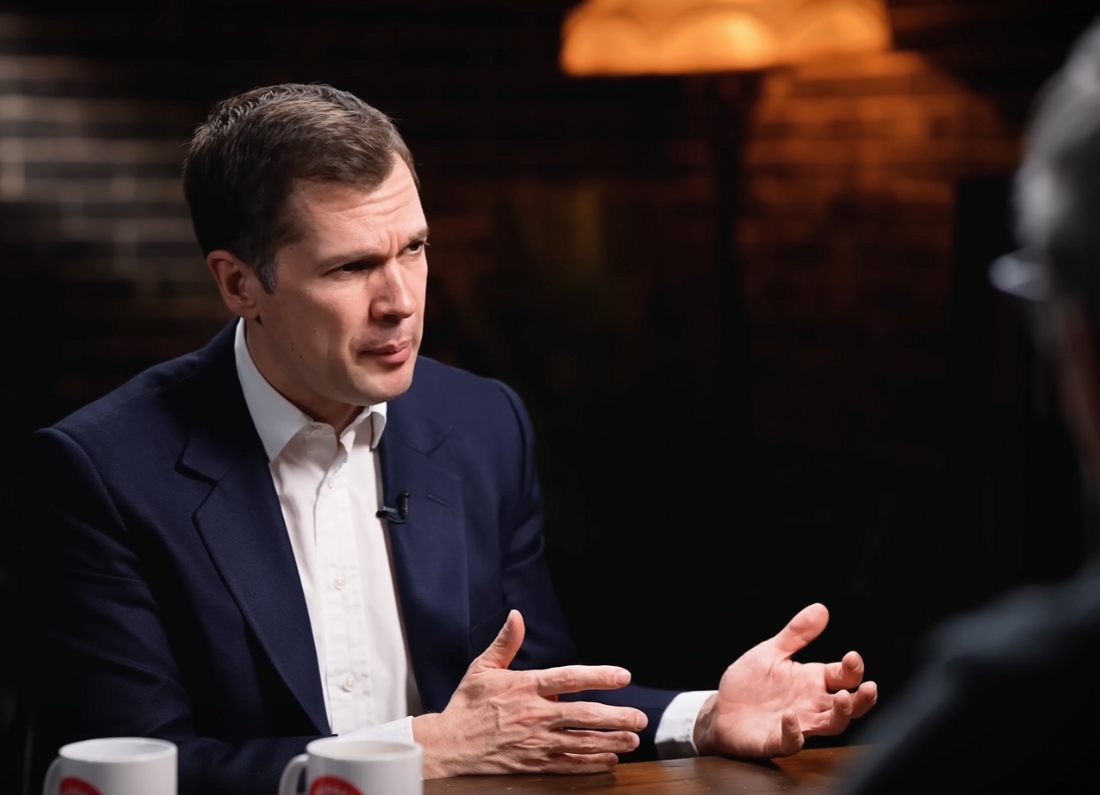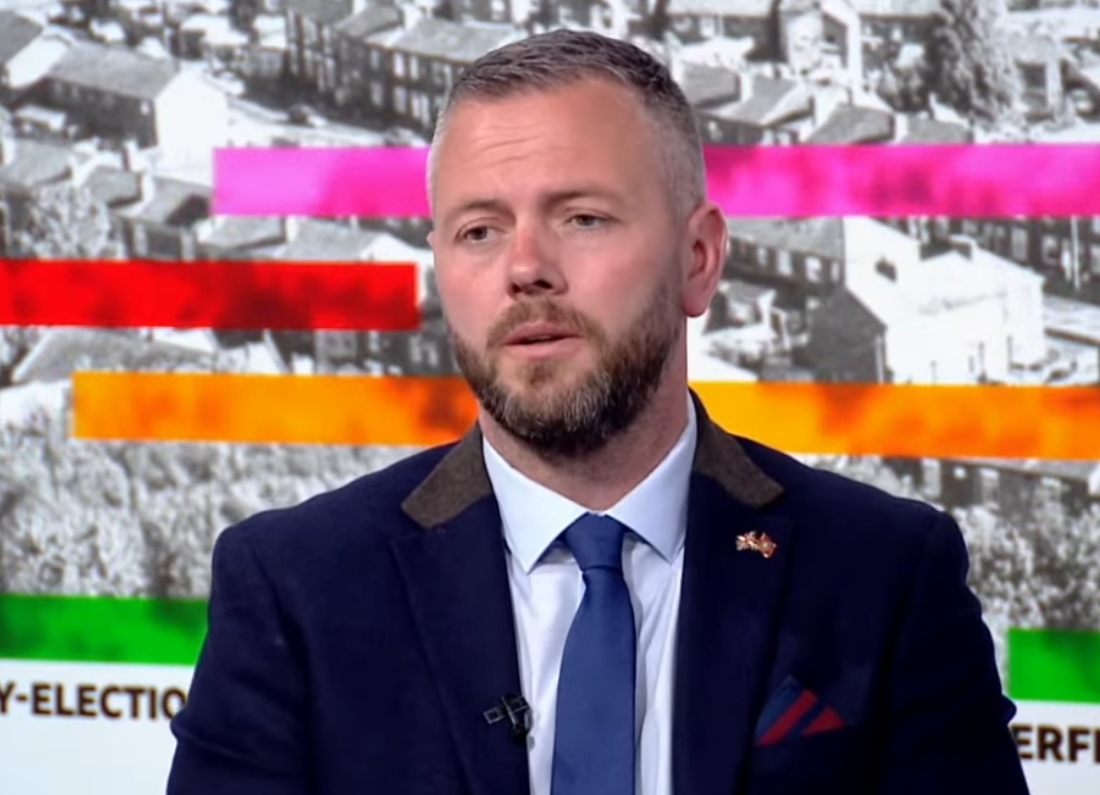
Posts on a rugby league fan forum linked to Robert Kenyon – Reform UK’s candidate for the Makerfield byelection on 18 June – appear to show him claiming he did not vote for Brexit and that he woke up “s****ing himself” the morning after the referendum result, in a constituency where more than two-thirds of voters backed Leave. Reform has denied the claim, insisting Kenyon did vote Leave.
The posts were unearthed by the Times on the same RLFans forum that recently produced the “I’m sexist, sorry but I am” and “women can’t ref, drive or give directions” material, as we reported in our previous Kenyon piece. The account uses the username ‘post’ and identifies itself elsewhere in the forum as belonging to @robkenyon1, and promotes Kenyon’s published book The Blood Waltz.
What the posts said
In a 2019 post, the account wrote: “So anyone who thinks I love Trump, voted Brexit, read the Daily Mail, live in the 1950s, [am] a Tory and 103 is wrong. I’m none of the above.”
In a separate post, the same account described their reaction to the Brexit result: “I woke up the day after Brexit s****ing myself to what was voted for.”
The posts do not end there. The account then qualified its position, saying that the EU’s treatment of the UK since the referendum had made them “glad we voted out” – suggesting an evolution in view rather than a fixed Remain position. In other posts, the account said they would rejoin the EU “tomorrow” if it was “stripped right back to what it was set up for,” and added: “Free movement of people is great when they are natives of the EU countries and not people from outside Europe seeking a Greek passport that will allow them into any country in the EU.”
The specific problem this creates
Makerfield voted Leave in the 2016 referendum by more than two-thirds – a clear, decisive margin that has shaped the constituency’s political identity. Reform’s entire electoral proposition is built on Brexit as the foundational act of popular sovereignty: the will of the people that the establishment tried to frustrate, the mandate that Reform claims to represent most authentically.
Their candidate in Makerfield – whose selection Nigel Farage has personally backed and for whose behaviour Reform has repeatedly gone to the mat – appears to have written in 2019 that he did not vote for that mandate, and that its outcome terrified him.
The “I’m none of the above” post is also striking in context. It explicitly denies liking Trump – a figure Reform has enthusiastically associated itself with – and denies reading the Daily Mail, the newspaper that has been most sympathetic to Reform’s agenda among the national press. For a man Reform is presenting as the authentic voice of working-class Makerfield, the 2019 self-description is an uncomfortable fit with the campaign messaging.
Reform’s response
A Reform UK spokesman insisted Kenyon did in fact vote Leave in the Brexit referendum, directly contradicting the forum post. They added that Kenyon “has never endorsed freedom of movement in the EU’s current form, which would result in millions of non-EU foreign nationals being able to enter the country.”
The denial is notable given the pattern of Reform’s responses to previous Kenyon revelations, which has ranged from not responding after being shown a screenshot to describing riot disinformation as being “before he was in politics” and calling misogynist comments “locker room banter,” as we reported in our full Kenyon investigation.
The specific claim that Kenyon did vote Leave while also writing “I’m none of the above” about Brexit voters is not impossible – people write self-deprecating things online that don’t match their behaviour – but it does require voters to choose between Reform’s assertion and a written post from a linked account.
The Burnham contrast – and the EU complication
The Brexit dimension of the Makerfield byelection cuts in multiple directions. Burnham has previously said he would like to see the UK rejoin the EU “in my lifetime.” He subsequently rowed back from that position for the byelection, telling the BBC he respects the referendum result and does not want to “re-run” its debates.
As we reported in our Burnham Brexit positioning piece, his current formulation is that EU rejoin is a long-term aspiration he would pursue only after “fixing Britain first” over the next five to ten years.
That careful positioning is designed specifically for Makerfield’s Leave-voting communities. The irony that Reform’s candidate may share more of Burnham’s actual Brexit views than the party’s public platform would suggest is a talking point that Labour will not be slow to use.
The accumulating picture
The Kenyon story has now produced: Facebook friendship with a neo-fascist group leader. Two deleted social media accounts containing riot disinformation, Southport murder exploitation, COVID conspiracy theories, calls for waterboarding and graphic comments about women. A public rebuke from Carol Vorderman. A rugby forum account containing “I’m sexist, sorry but I am” and “women can’t ref, drive or give directions.” And now, apparently, a claim to have not voted Leave in the constituency where two-thirds of voters did.
Reform’s consistent position throughout has been full backing for their candidate. Asked about the sexism, they said “locker room banter.” Asked about the neo-fascist connection, they denied the screenshot, were given it, and went quiet. Asked about the Brexit post, they said he did vote Leave.
The byelection is 18 June.