


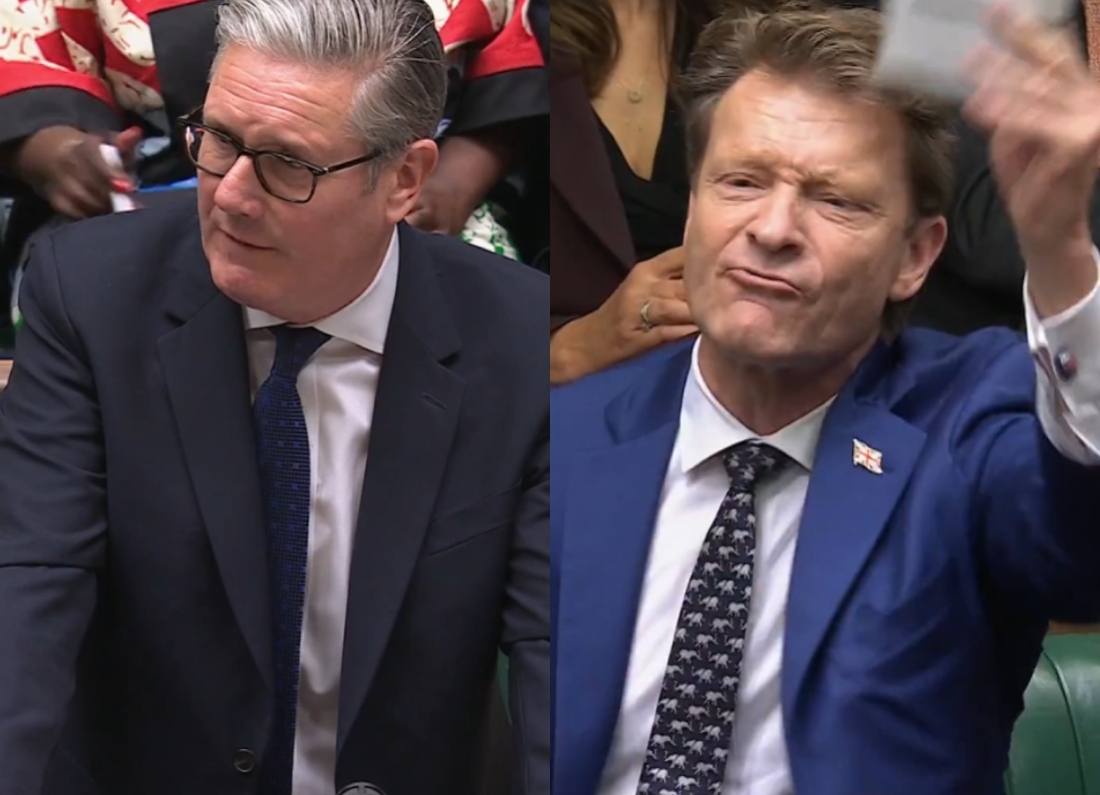
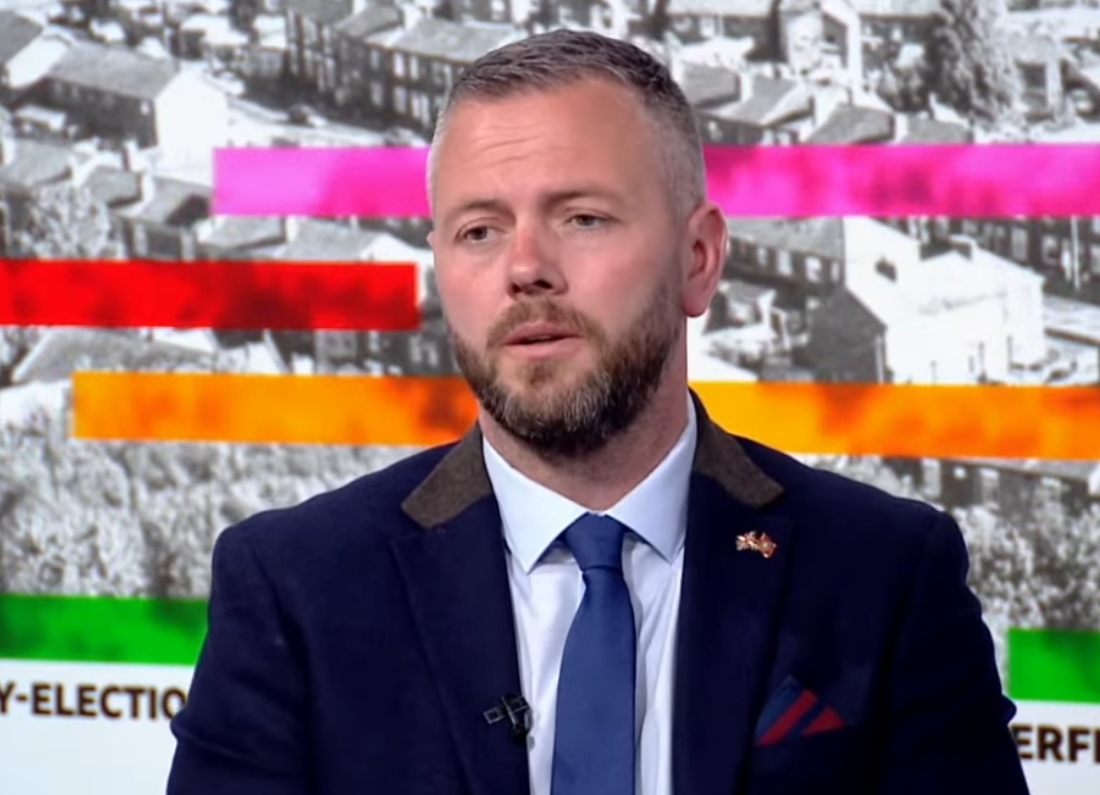
Ayoub Khan used a bin strike in Birmingham to land a memorable one-liner on Reform UK during Prime Minister’s Questions, drawing loud laughter across the Commons as Nigel Farage looked on from the benches in front.
The Independent MP for Birmingham Perry Barr opened his question by saying: “Rubbish is building up right beneath my very nose,” before turning his gaze towards the cluster of Reform MPs seated below him, including Farage and deputy leader Richard Tice.
Khan then switched from the gag to a serious point about the disruption caused by ongoing industrial action in Birmingham’s waste service, asking Keir Starmer to intervene and encourage talks to restart. Starmer replied that the government was doing “everything we can to resolve the situation”, adding that it “absolutely needs resolving”.
What was said in the Commons
The exchange took place during PMQs on Wednesday, when Khan was called to ask a question about services in his constituency. His opening line – “Rubbish is building up right beneath my very nose” – was widely interpreted as a pointed dig at Reform’s leadership sitting directly in front of him, and it prompted laughter and audible reactions around the chamber.
But Khan’s follow-up made clear he was using the moment to highlight what he described as a worsening local problem, linking the parliamentary theatre to a real issue residents are living with. He asked the prime minister to intervene and to speak to Birmingham City Council leadership about re-entering negotiations with Unite, in an effort to bring the dispute to an end.
Starmer’s reply was brief and careful. He said the government was doing “everything we can” and agreed the situation needs resolving, without spelling out what specific role ministers could play in what is largely a local authority dispute.
Why Birmingham’s bin dispute keeps returning to the headlines
Birmingham’s waste and recycling service has faced repeated disruption in recent years, with disputes commonly centring on pay, grading, staffing structures and the financial pressures councils face when trying to balance budgets.
Local government leaders often argue that rising costs, pay pressures and constrained funding make it difficult to protect frontline services. Trade unions, meanwhile, frequently warn that savings plans can amount to cuts by another name, and that workload and safety issues increase when staffing levels are reduced.
While PMQs rarely goes deep into local negotiation detail, it has become a place MPs use to apply pressure, partly because the knock-on effects are visible. Waste collection problems quickly become a public health concern, especially if bags pile up in residential areas, attracting vermin and sparking complaints about smell and hygiene.
Khan’s intervention also underlines a political reality: when services fail in plain sight, voters rarely care which level of government is technically responsible. They want the problem fixed, and they want to know who is pushing for a solution.
The politics behind the punchline
The moment landed because it did two things at once: it mocked Reform UK in a way that was easy for the chamber to grasp, and it framed a local crisis as something happening “right beneath” Reform’s noses in Parliament.
For Reform, which has increasingly presented itself as the party of “common sense” competence, jibes about basic public services carry a sting – even when the MP making the joke is asking Starmer to lean on a Labour-run council. For Labour, the exchange is more complicated. The laughter might feel like a win in the room, but the underlying issue is still one the government is expected to take seriously, particularly as bin strikes become emblematic of broader questions around council funding, public sector pay and local governance.
It is also notable that Farage was present for the exchange, given his regular media schedule and frequent criticism of Westminster’s culture. The episode will likely be clipped and replayed online because it compresses a larger argument – about competence, priorities and public services – into a line that is instantly shareable.
What happens next for residents
The immediate question is whether talks between the council and the union move meaningfully forward. Strikes can end quickly once a settlement is reached, but they can also drag on when both sides feel boxed in: councils by finances and political accountability, unions by member expectations and concerns about precedent.
Even if collections resume, councils often need time to clear backlogs, and residents can face changing schedules and temporary measures. In the meantime, MPs will continue to raise it in Parliament, because visible disruption provides political leverage and a clear test of responsiveness.
Khan’s PMQs moment may be remembered for the laughter, but the point he was making was straightforward: for many Birmingham residents, waste collection is not a culture-war talking point – it is a day-to-day issue that shapes how they judge whether politics is delivering anything at all.
You may also like: Watch: Nigel Farage heckled at Reform Jewish Alliance launch in London synagogue

Leave a Reply