

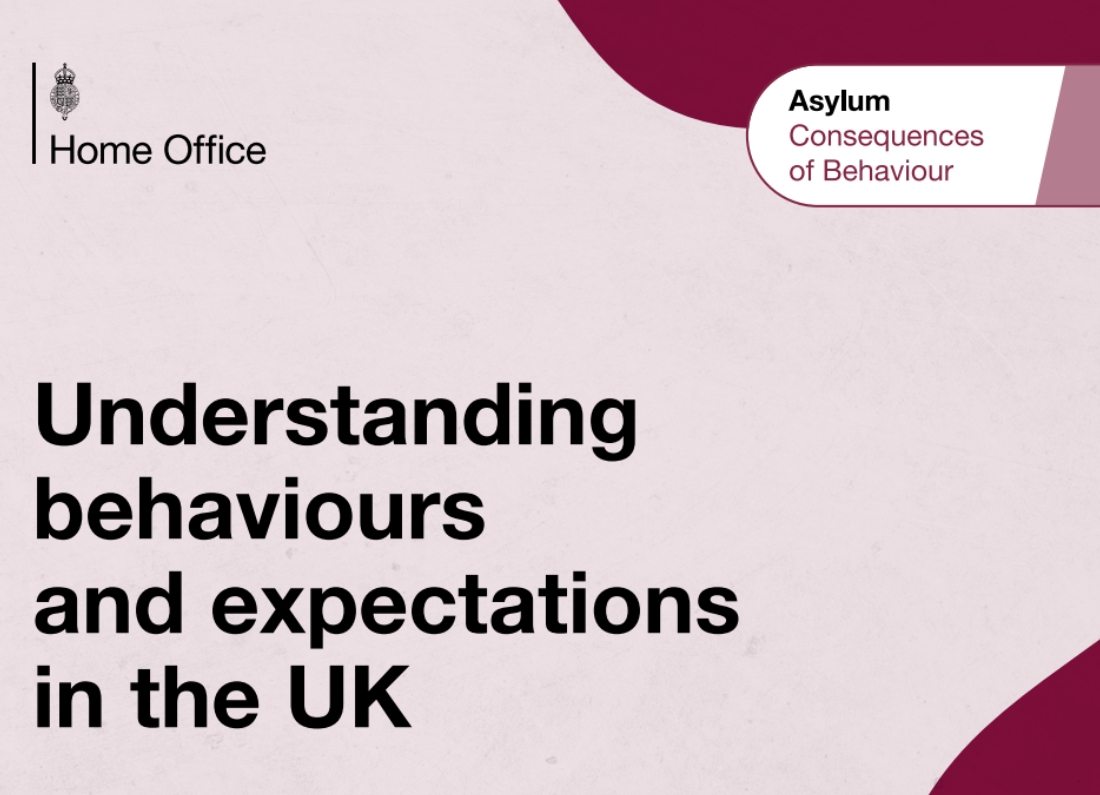
Asylum seekers arriving in Britain are being handed new Home Office guidance explaining laws around sex, consent, domestic abuse and the treatment of women.
The nine-page document, Understanding behaviours and expectations in the UK, sets out rules and social expectations for people going through the asylum system. Some of the wording is unusually direct. Arrivals are told women are allowed to earn their own money, make decisions about their lives, and choose what they wear. They’re warned sex without consent is a crime, including within marriage or relationships, and that anyone under 16 cannot legally consent to sex. It also tells people not to whistle at strangers, make unwanted sexual remarks, or make “kissing sounds” at someone in public.
Burnham has defended the guidance, saying the government wants British law made “explicitly clear” to people arriving in the country. The Conservatives and Reform have attacked the scheme from the opposite direction entirely, arguing anyone who needs to be told not to commit serious sexual offences shouldn’t be allowed to stay in Britain at all.
What the guide actually says
The document splits into sections covering gender equality, domestic abuse, sex and consent, public behaviour, and where to get help. On equality between men and women, asylum seekers are told “everyone in the UK is expected to treat men and women equally,” a rule that applies within families as well as publicly. Men are told they must not stop a woman working or studying, dictate what she wears, control where she goes, or make decisions on her behalf without her agreement.
Domestic abuse is explained as covering physical violence, threats, emotional abuse and controlling behaviour, including taking away someone’s documents. The guide says partners and family members should be free to make their own choices and should never be physically or verbally abused or controlled.
Guidance explains consent within relationships
Another section covers sex and consent directly, explaining both people must agree freely and that consent can be withdrawn at any point. Someone asleep, too drunk to respond, or otherwise unable to communicate clearly cannot give consent. The document states consent remains necessary within marriage too. Asylum seekers are told never to use threats, force or pressure to get someone to have sex, and to stop immediately if the other person changes their mind. It also explains anyone under 16 is legally a child and cannot consent to sex.
‘Kissing sounds’ and public behaviour
The public-behaviour section has drawn particular attention since the guidance became public. People are told not to make unwanted sexual remarks, even ones they think are compliments, and not to whistle at people, make “kissing sounds,” follow someone, block their path, or make rude or offensive gestures. Verbal abuse based on gender, religion or appearance is covered too. The Home Office says people living in Britain are expected to respect others even where they disagree with their religion, relationships, culture or way of life. A series of posters has been produced alongside the booklet.
Breaking the law could affect asylum support
The guidance repeatedly warns that criminal behaviour has consequences beyond normal prosecution. The Home Office says breaking UK law can lead to police involvement, loss of asylum accommodation or financial support, and could affect an asylum claim itself. A spokesperson said: “We expect everyone who comes to the UK to abide by our laws,” adding that those who don’t could face consequences including refusal of their claim and removal from Britain. The document also includes information for asylum seekers who may themselves be victims of domestic abuse or other crimes, including where they can seek help.
Burnham defends the guidance
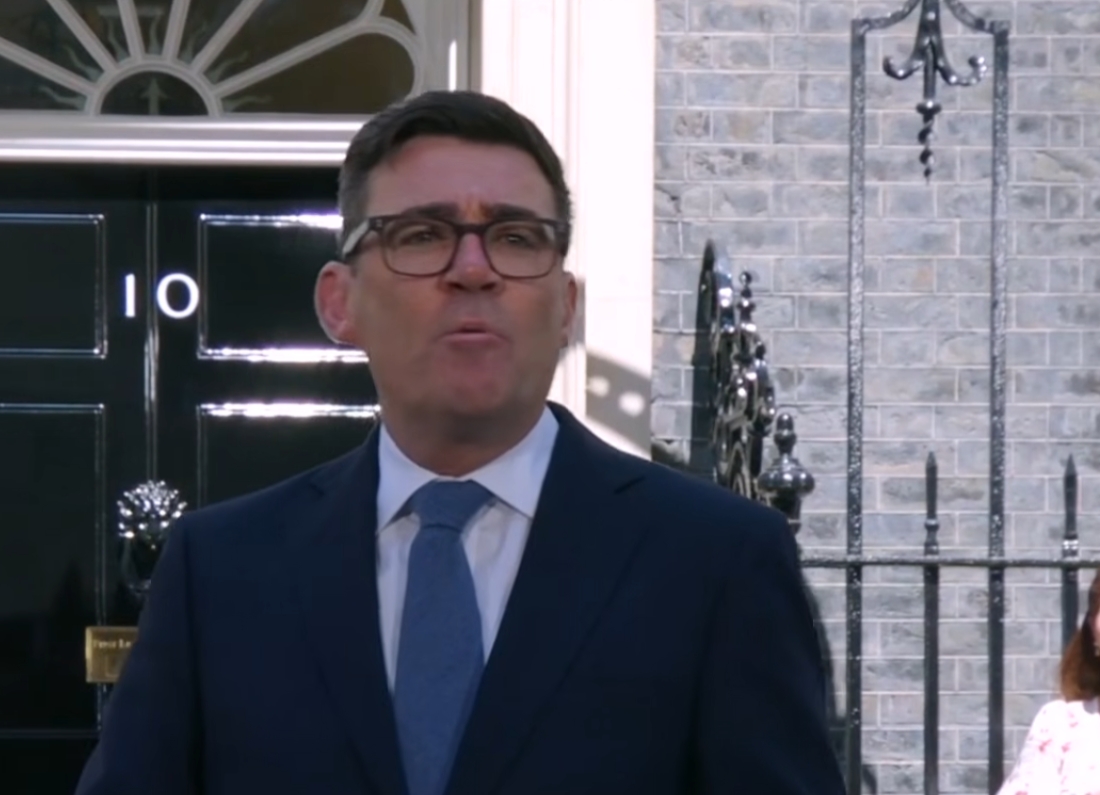
Burnham was questioned on the booklet after it drew criticism from opposition parties, and defended the approach, saying ministers want British laws and expectations made clear to everyone arriving in the country, “explicitly clear,” in his words. This forms part of a wider tightening of asylum and immigration policy under Burnham’s government, with ministers also working to reduce Channel crossings and change where asylum seekers are housed. Home Secretary Shabana Mahmood has said she wants a “fair spread” of asylum accommodation around Britain rather than concentrating it disproportionately in poorer communities.
You can read the guidance in full here.
Reform and Conservatives hit back
Opposition parties have criticised the guidance despite broadly supporting tougher immigration enforcement generally. Conservative shadow home secretary Chris Philp said the government should focus on deportation rather than trying to teach migrants how to behave: “Instead of trying to train these mainly young, male illegal immigrants to behave in a civilised way towards women, they should be deported.” Reform’s Zia Yusuf called the guidance a “disgrace” in a video posted online.
That leaves the government defending an unusual position: introducing tougher behavioural guidance while facing attacks from opposition parties arguing the very existence of that guidance proves the asylum system is too permissive in the first place.
Asylum claims remain a major political issue
Around 101,000 people claimed asylum in the year ending December 2025, according to figures cited by Sky News, 4% lower than the previous year. Around 46,000 people were detected arriving through irregular routes over the same period, including Channel crossings by small boat. More recent figures show small-boat crossings running around 40% below the same point last year, though the Conservatives dispute whether government policy deserves the credit for that.
Immigration remains one of the most contested areas of British politics, with Labour facing pressure from both Reform and the Conservatives to reduce arrivals further. This latest Home Office guidance shows ministers are also trying to set clearer expectations for people already inside the asylum system, separate from the numbers arguments running alongside it.










Leave a Reply