

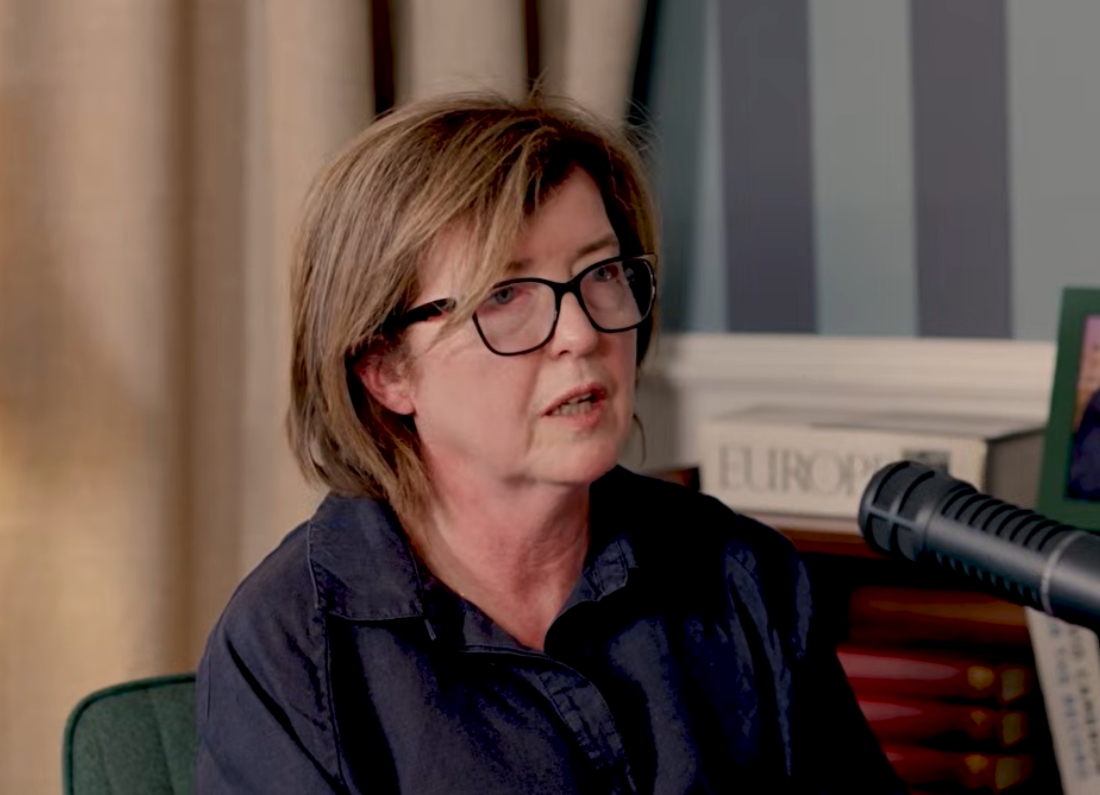
Sue Gray has described working inside Keir Starmer’s Downing Street as “unbearable,” saying the atmosphere became so mistrustful she worried conversations could be secretly recorded and leaked to journalists.
Gray, who served as Starmer’s chief of staff during Labour’s first months in government, gave her most detailed interview yet since leaving the role, speaking on the Political Currency podcast with Ed Balls and George Osborne. She described a Downing Street operation plagued by leaks, internal arguments and suspicion between senior staff, at one point saying the atmosphere left people wondering whether somebody was recording “everything you say.” “It was definitely unbearable,” she said. Gray also suggested Starmer failed to intervene strongly enough when negative stories about his own staff repeatedly appeared in the press.
‘You’re wondering if somebody is recording everything’
Gray said the constant leaking made normal conversations genuinely difficult, describing worrying that almost anything said inside No 10 could end up in a newspaper. Living with that level of suspicion, she said, was “very, very difficult.”
That paranoia didn’t come from nowhere. Gray was repeatedly the subject of damaging stories during her short time as chief of staff, reports about her salary, her influence inside government, and disagreements between her and Morgan McSweeney, one of Starmer’s closest political advisers, with some stories portraying the pair as rivals fighting for control of the operation. Gray rejects much of that account, saying she repeatedly raised concerns about the briefings with Starmer and was disappointed more wasn’t done to stop them. The situation eventually became difficult enough that she left No 10 just months after Labour entered government, with McSweeney replacing her as chief of staff.
Gray pushes back at claims she failed to prepare Labour for power
One of the biggest criticisms levelled at Gray after her departure was that Labour entered government badly prepared. Starmer allies argued she’d been given responsibility for planning Labour’s first 100 days but failed to build the operation needed to smoothly transition from opposition to government. Gray disputes that, saying much of the policy preparation was completed before the election, and arguing the deeper problem was a shortage of experienced people in key positions once Labour actually reached Downing Street. She said, looking back, the government needed people with greater experience running communications, policy and strategy.
That’s a fairly brutal assessment of the team Starmer brought into No 10. Labour won a huge majority in 2024, but the government’s early months were dominated by internal rows and questions about its political direction. Gray’s argument is that the problem wasn’t simply a lack of preparation. It was also about leadership, and the people chosen to actually run the operation.
Starmer ‘lacked vision’, Gray suggests
Gray also draws a contrast between Starmer and his successor. According to reports of the interview, she suggested Burnham entered No 10 with a clearer idea of what he wanted his government to actually do. Burnham’s spent his first weeks pushing a distinct agenda around public transport, devolution and moving economic decision-making away from Whitehall. Gray believes that clarity was missing under Starmer, telling Political Currency that leadership and vision ultimately have to come from the prime minister.
That gets right to the heart of one of the biggest criticisms made of Starmer during his premiership. His supporters often argued he was serious, competent and focused on delivery. His critics increasingly questioned what political project he actually wanted to deliver. Gray now appears to be placing herself closer to the second camp.
Four difficult months in Downing Street
Gray’s arrival in Labour politics was controversial from the start. She’d previously been one of Britain’s most senior civil servants, becoming nationally known after leading the investigation into lockdown-breaking gatherings in Downing Street during Johnson’s premiership. Her decision to later become Starmer’s chief of staff prompted accusations from Conservatives that the move raised questions about civil service impartiality. Gray rejected those accusations.
Once Labour entered government, attention quickly shifted from her civil service career to her relationship with other figures around Starmer. Stories about tensions with McSweeney became increasingly frequent, followed by reports Gray was earning more than the prime minister, with her salary reportedly increased to £170,000, prompting further headlines and irritation inside government. Gray eventually resigned in October 2024, saying it had become clear commentary around her position risked becoming a distraction. At the time, much of that story was told through anonymous briefings from people around No 10. Gray is now telling her own version.
Others inside Starmer’s operation dispute her account
Not everyone who worked in Starmer’s government agrees with Gray’s interpretation. Former advisers have pushed back against the suggestion she was simply the victim of a dysfunctional operation, with some arguing Gray herself contributed to the confused structure inside No 10 and that preparations for government were genuinely insufficient.
That dispute isn’t likely to be settled by one podcast interview. There were clearly serious problems inside Starmer’s Downing Street, but plenty of people who were actually there disagree about who was responsible for them. What Gray’s intervention does show is how deep the mistrust became, when the prime minister’s own chief of staff is wondering whether colleagues are secretly recording conversations, normal government becomes considerably harder to run. Starmer eventually admitted appointing Gray had been a mistake. Gray clearly has her own view about where the bigger mistake actually lay.
Burnham has inherited a very different Labour Party
There’s an obvious political reason Gray’s comments matter right now. Starmer’s gone, and Burnham’s trying to convince voters that Labour has genuinely changed with him. That makes accounts of what went wrong under the previous administration useful to the new one, particularly coming from someone who worked at the very centre of it.
Gray’s spoken positively about Burnham’s clearer direction. That doesn’t mean his government will avoid the same problems, Downing Street has a long history of turning disagreements between advisers into full-scale political wars. But after Starmer’s government became consumed by leaks and internal briefing, Burnham will be well aware of what happens when those battles are allowed to take over. Sue Gray’s version of events suggests the atmosphere inside No 10 turned poisonous surprisingly quickly. For the first time since leaving, she’s saying publicly just how bad she thought it actually was.





Leave a Reply