

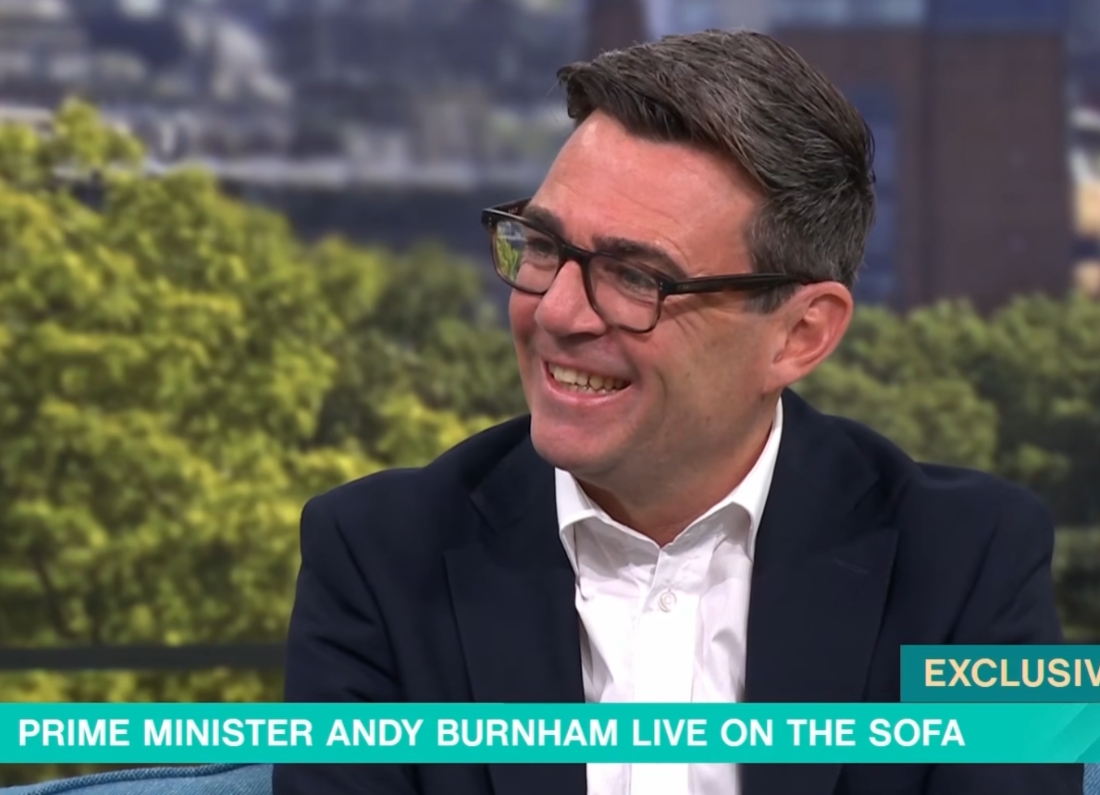
Andy Burnham has set out a three-point plan to fix social care after what he called decades of “shameful” neglect, while Nigel Farage was left fuming at not being invited to the cross-party talks that came with it.
What Burnham actually announced
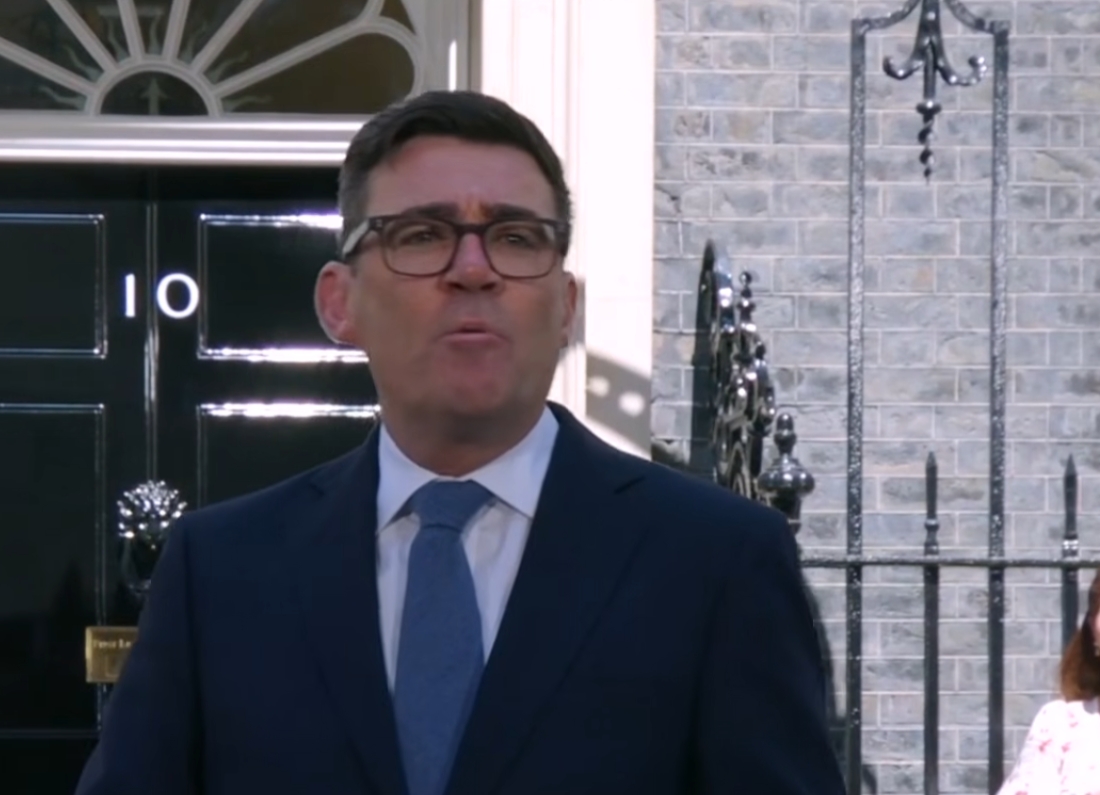
In a major speech, the prime minister promised to spend whatever political capital he has on building something genuinely comparable to the NHS for social care, calling successive governments’ failure to fix the sector “a major dereliction of public duty.” He didn’t spare himself either, pointing back to his own attempt, and failure, to set up a National Care Service as health secretary under Gordon Brown back in 2010.
“I would never forgive myself if I left [power] without having tried [to fix it],” he said, calling it “shameful” that 22 separate reviews into fixing social care over the last 27 years have produced no major change. He went further still, describing the UK’s current system as “as unfair as American healthcare.”
The plan itself has three parts. First, Burnham’s asked Baroness Louise Casey to bring forward her independent review of social care by a year, now due in 2027 rather than 2028. “Ideally we want to do it even sooner but we have to be realistic,” he said. “I think we can rise to this challenge with the urgency it requires.” Casey’s review will look specifically at integrating social care with the rest of the health system in a genuinely “person-centred” way. “That’s what we’re asking Louise to give us, her report on how do we deliver a national care service in England that sits alongside the National Health Service?”
Second, workforce reform. Burnham praised Keir Starmer’s fair pay agreement for care workers, due in 2028-29, which sets a minimum salary, calling it “a massive building block” but promising his government would look at turning it “into a bigger reform.” He wants ministers to consider bringing care workers’ pay and conditions closer in line with NHS staff, alongside stronger career progression, arguing care workers should be “the best paid people in society, not the worst.”
Third, and arguably the most politically fraught, he’s started cross-party talks straight away. “We’re all going to have to give and take,” he said, framing it as the start of a new “social consensus.” “That process starts today, it will run alongside others teams of work we are doing.” He wasn’t shy about naming what he expected in response, either: “I’m not going to be deflected by the point-scoring or the screaming headlines that come out of the point-scoring.”
Asked directly whether real change is possible without raising taxes, Burnham stuck to Labour’s manifesto commitments, but left the door open to a harder conversation down the line. “So I think we owe it to the public before we talk about tax rises. And I know Louise will help us with this. You first have to look the public in the eye and say, are we doing everything we can do from within what we’ve got? And I don’t think we can say that because we’ve taken a different approach to funding local government than we have to the NHS.”
Who actually got invited, and who didn’t
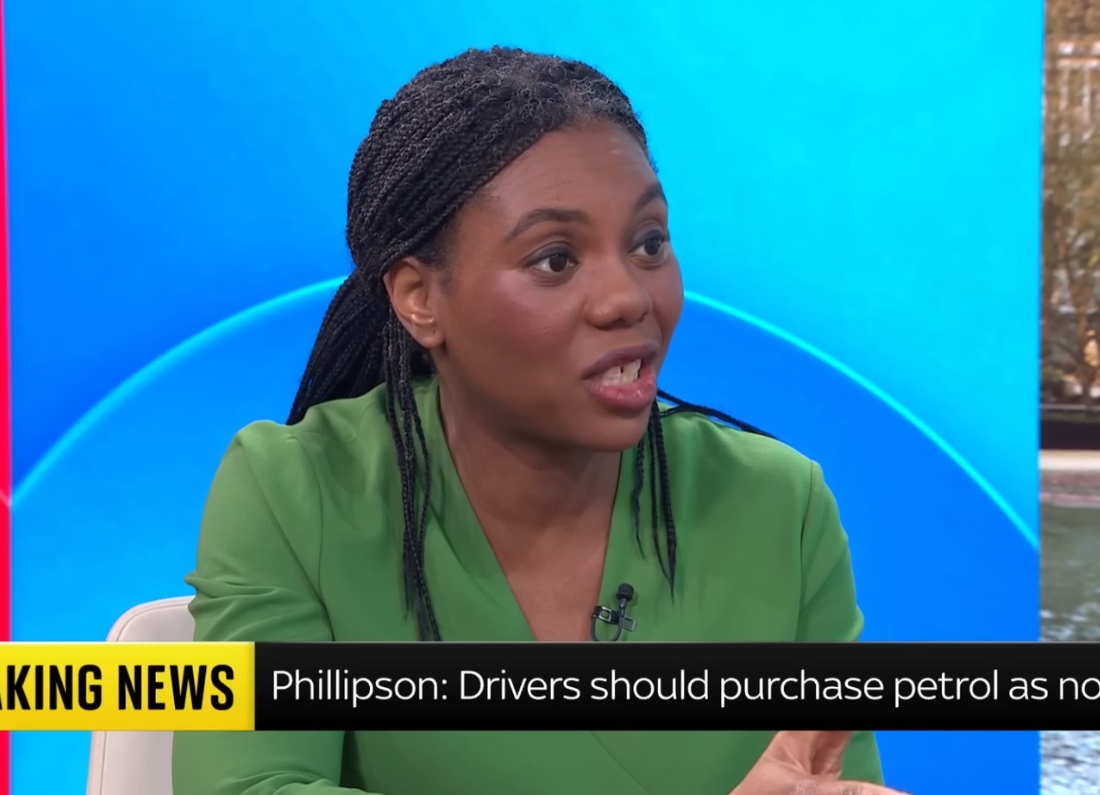
Burnham asked Conservative leader Kemi Badenoch and Liberal Democrat leader Ed Davey to help him “problem-solve” the crisis. Reform, the Greens and the SNP weren’t invited.
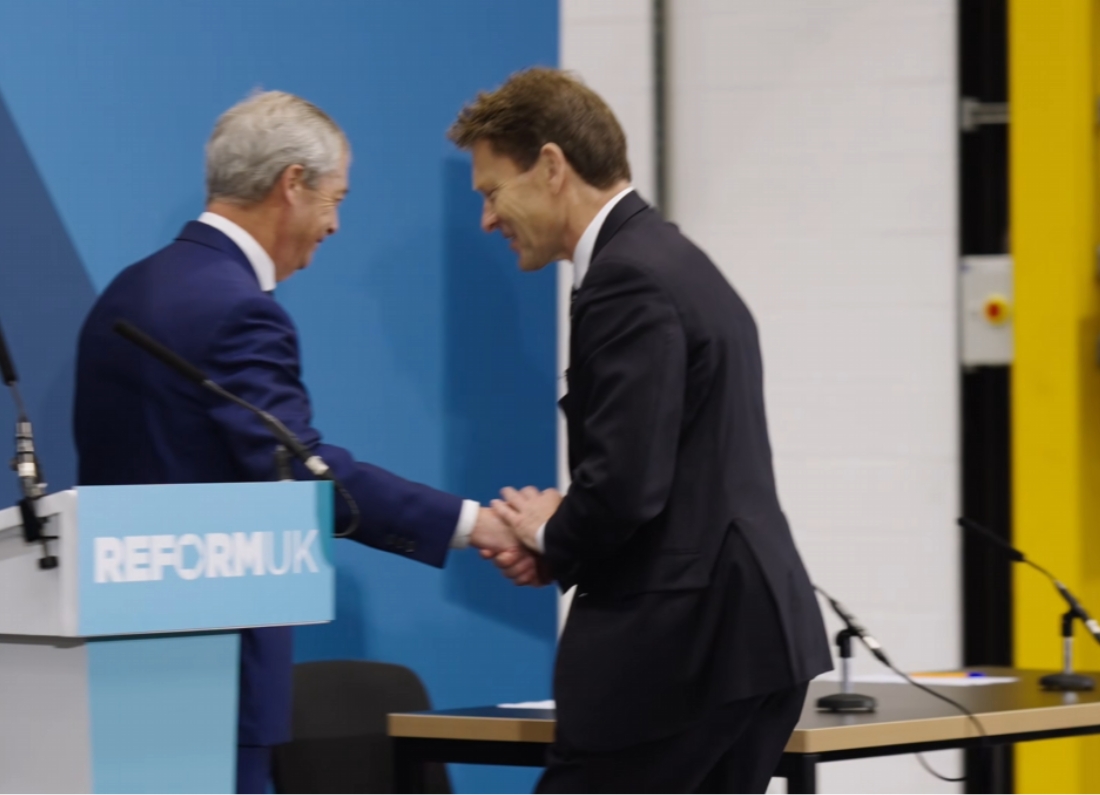
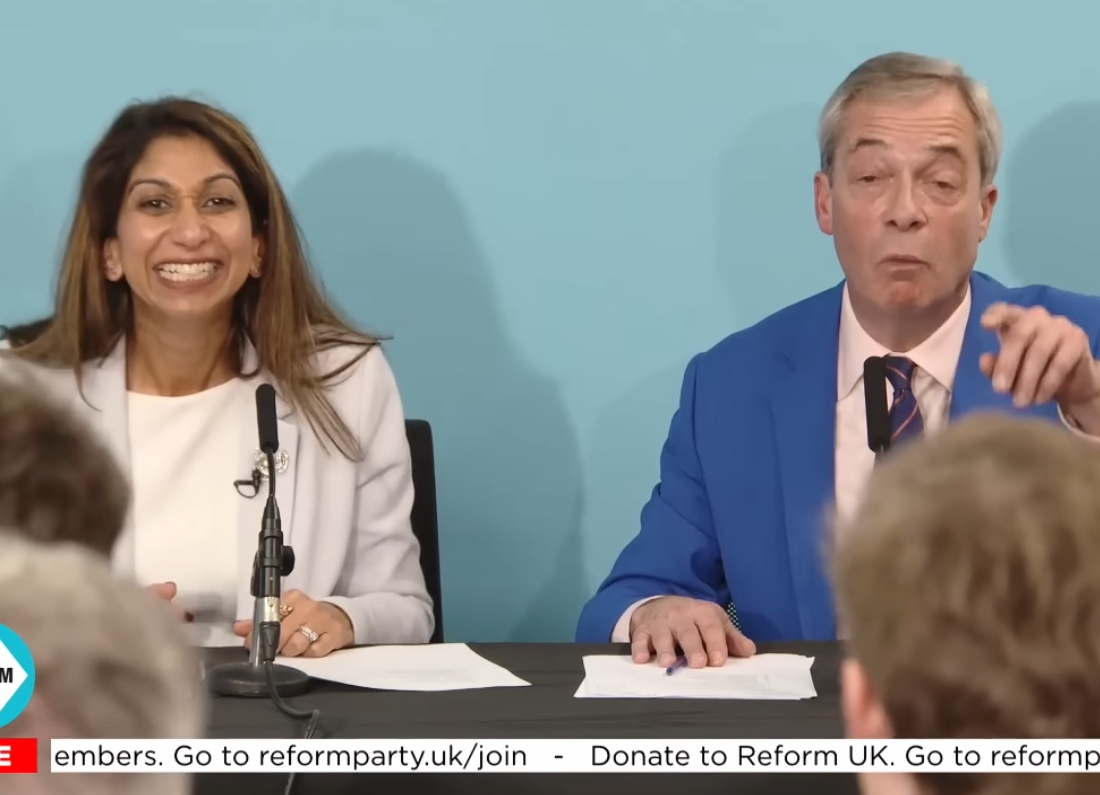
Farage, who currently isn’t a sitting MP, having resigned as Clacton’s MP to trigger his own byelection, wasn’t going to let that pass quietly. He accused Burnham of “conspiring” with the main parties. “If Andy Burnham is serious about putting politics aside to solve Britain’s biggest problems, it’s remarkable that he’s chosen to ignore Reform,” he said. “He is conspiring behind closed doors with the failed political establishment to foist further tax rises on the country. The fact Ed Davey and Kemi Badenoch are going along with this tells you all you need to know. This is the uniparty in action.”
Robert Jenrick, Reform’s Treasury spokesperson, went further still. “I’m not surprised that Andy Burnham hasn’t invited Nigel Farage. If he had, Nigel would have told him he’d fight this tax rise all the way. That Ed Davey and Kemi Badenoch are going along with this tells you all you need to know about their parties. Andy Burnham has no mandate to tax the life savings of hundreds of thousands of families. So instead of having the decency to ask the public if they’ve changed their mind about a policy they’ve rejected four times, he’s conspiring behind closed doors with the failed political establishment to foist it on the country. If we need to, Reform will stand alone to fight this cruel tax. Nigel and I will not see millions of families betrayed like this.”
There’s a genuine tension buried in Reform’s own response here, since Badenoch has actually made clear she’d oppose any tax rises or extra borrowing to fund social care reform in the first place, which somewhat undercuts the idea that the talks themselves are a stitch-up designed to sneak a tax rise through.
The maths behind who’s actually in the room
Reform currently has seven MPs, though Farage himself isn’t one of them right now. The Conservatives have 117, making Badenoch leader of the opposition; the Lib Dems have 71, the third largest party in the Commons. Badenoch wasn’t able to attend in person, so the Tory shadow health secretary went in her place, while Davey joined remotely by video call.
Labour already holds a majority, so Burnham doesn’t technically need support from other parties to pass legislation. He’s framed the invitations instead as an attempt to build genuine unity around social care reform, and has explicitly said he expects to spend real political capital making it happen regardless of who signs up.
Why this is landing differently than it might have a few months ago
Reform led every national poll for more than a year until fairly recently. Burnham’s move into Downing Street, combined with growing scrutiny of Farage’s own finances, has genuinely shifted things, Labour has now overtaken Reform outright in at least two separate polls. Whatever Farage’s actual objection to the social care talks, it’s landing at a moment when Reform’s underlying political position looks considerably shakier than it did going into the summer.
Burnham himself directly acknowledged the outrage without naming Farage specifically, framing it as exactly the kind of noise he intends to ignore: “I’m not going to be deflected by the point-scoring or the screaming headlines that come out of the point-scoring,” pointing to how political and media culture have repeatedly shut down serious debate about fixing social care in the past. He said he wouldn’t be put off either by headlines that “inevitably appear,” or by attempts to spin the process into a scare story.
Whether a genuine cross-party consensus on social care is actually achievable, particularly once the tax question stops being deferred and starts being answered directly, is the real test still ahead. For now, Burnham’s got two of the other three major Westminster parties in the room, and one very loud voice from outside it making clear he intends to fight whatever comes out of it.




Leave a Reply