

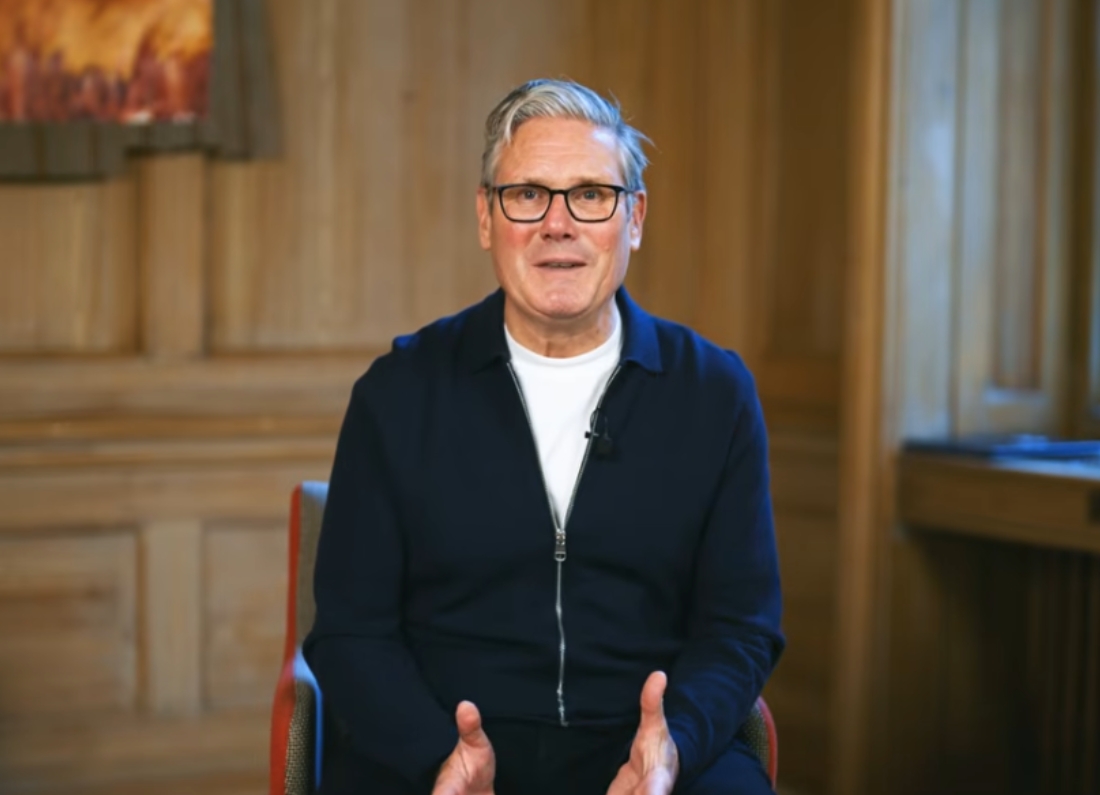
Keir Starmer has announced that under-16s will be banned from all major social media apps, following Australia’s introduction of a similar measure in December last year. The Prime Minister said regulation would be passed before Christmas with the ban coming into force in spring. Enforcement would fall on platform providers, not on children. Australian Prime Minister Anthony Albanese congratulated Starmer. YouTube warned the ban would push children “towards anonymous, less safe services.” Nigel Farage said it would “not work” and was “digital ID via the back door.” The Conservative shadow education secretary said it was “shameful it’s taken so long.”
What Starmer said
The announcement was framed as a statement of values rather than a technocratic policy calculation. “This is not something I do lightly, and I will not present it as cost-free, as if social media has brought no benefits to young people, because clearly that is wrong. But government is always about choices, and it’s clear to me that a full ban is the right choice.”
Starmer was direct about the problem he was addressing: “Social media is making children unhappy. It’s making it easier for bullies to harass and abuse them, and it could even be harming their mental health. Exposing them to content that is dangerous because that’s what grabs the attention. It’s designed to be addictive.”
He referenced his own parenting: “As a parent of two, I know the fears that we all feel. I have only ever wanted my children to be happy and for them to be safe.” He asked a question he framed as unanswerable: “Do we truly believe that social media creates a happy environment for our children? Do we truly believe that it’s a place where they can feel safe? I don’t think I even need to answer those questions.”
He also addressed the free speech objection in the sharpest possible terms: “How many people in this room are prepared to defend adult strangers contacting children online? It’s extraordinary that somehow we’ve got ourselves to a position where, until now, we’ve shrugged our shoulders. Sending sexually explicit pictures to and from children – that’s not free speech.”
How it will work
Starmer was clear that the enforcement mechanism would be aimed at platforms, not children: “We’re not going to start taking action against 13 or 14 and 15-year-olds, who are trying, as they always will, to get around rules that adults put in their path. So this is absolutely aimed at those that are providing the platforms.”
He acknowledged some children would find ways around the ban – but argued the inevitable circumvention was not a reason not to act. Products not covered by the blanket ban, including gaming platforms, will be required to prevent children from chatting to strangers.
YouTube Kids is specifically excluded from the ban. Starmer noted it “does have the features that are concerned here” – meaning safeguards – and therefore falls into a different category from the major social media platforms being banned.
The legislative timeline: regulations passed before Christmas, ban in force in spring. Starmer noted pointedly that the Online Safety Act “took the last government eight years” and said he was determined not to repeat that delay.
The international dimension
Australian Prime Minister Anthony Albanese was among the first to respond. “Congratulations on taking this important step, Prime Minister. Social media giants operate across borders. By standing together, we can do more to hold them accountable and keep children safe online.”
Australia’s own ban, introduced in December last year, has faced implementation challenges but has been broadly supported by parents in polling since its introduction. The Albanese government’s experience of pushing through the legislation against significant tech industry lobbying is the model Starmer is following.
Asked whether he was concerned about Donald Trump’s reaction, given the decision would likely anger major US technology companies, Starmer said: “I do not accept and I will never accept that you can’t be both pro tech and AI and, at the same time, say we must protect our children.” He did not address Trump specifically.
The industry response
YouTube’s statement was the clearest expression of the tech industry’s objection: “We’ve invested in expert-led, age-appropriate experiences and default protections for teens for over a decade and will continue to do so. YouTube is a vital resource for young people, educators and parents. Blanket bans push kids out of such curated, supervised, beneficial experiences and towards anonymous, less safe services.”
The argument – that a ban drives children toward more dangerous alternatives rather than simply removing them from social media – is the most substantive objection to the policy. Starmer’s counter-argument is that the current situation is itself dangerous and that “those innovators, those people who are brilliant at technology” can devise ways to protect children if required to by law.
Political reactions
The Conservative shadow education secretary Laura Trott adopted a characteristic opposition posture – claiming credit while criticising the timing. “It is shameful that it’s taken the prime minister’s job to be on the line for the government to finally U-turn and ban social media for under 16s.” She also said: “As Conservatives, we did not give up; I kept fighting for the brave bereaved parents, health professionals, and campaigners who continued to make the case for change. This victory belongs to them.”
The Liberal Democrats’ Munira Wilson was more critical of the substance: “The government have cobbled together a hodgepodge of social media restrictions which don’t keep children safe, nor hold big tech’s feet to the fire. The government must heed the lessons from Australia and stand up to big tech.”
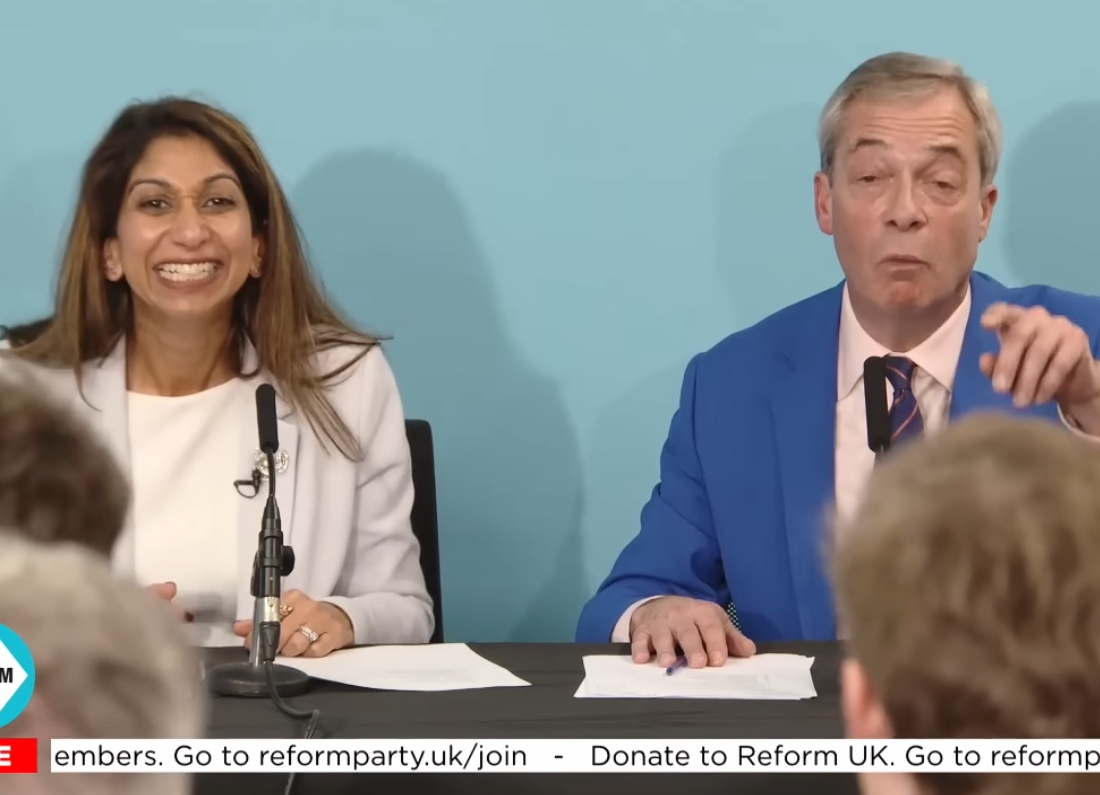
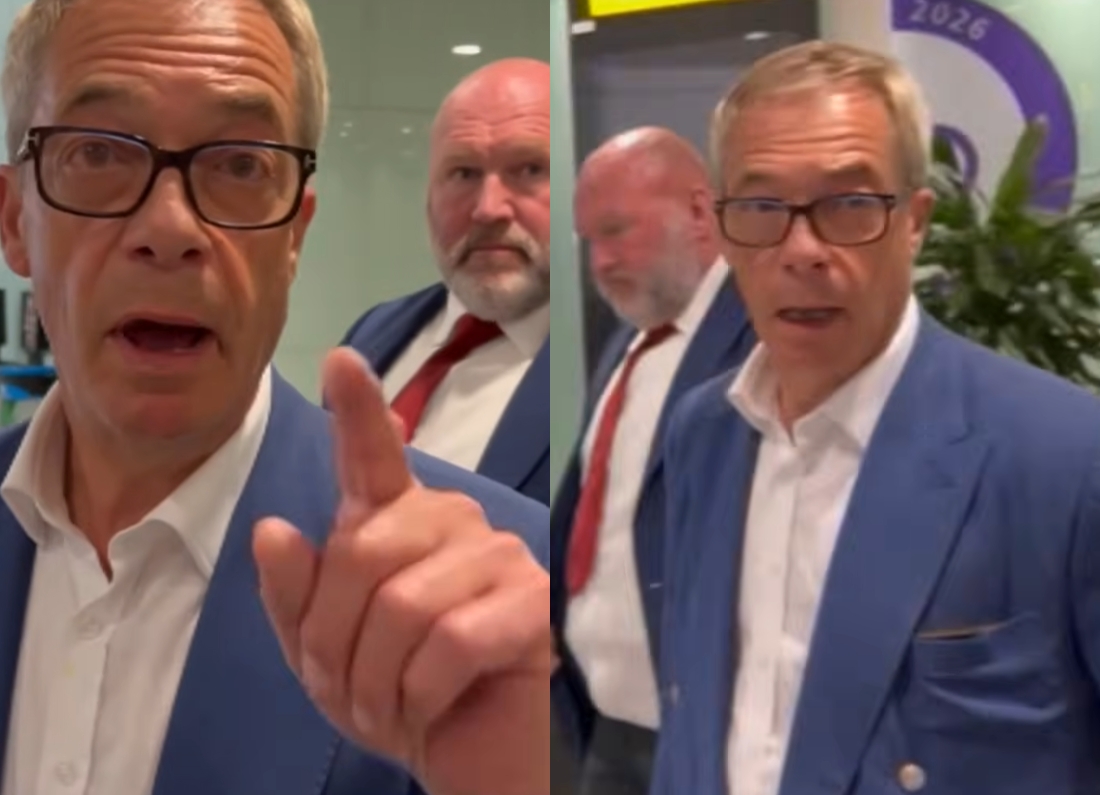
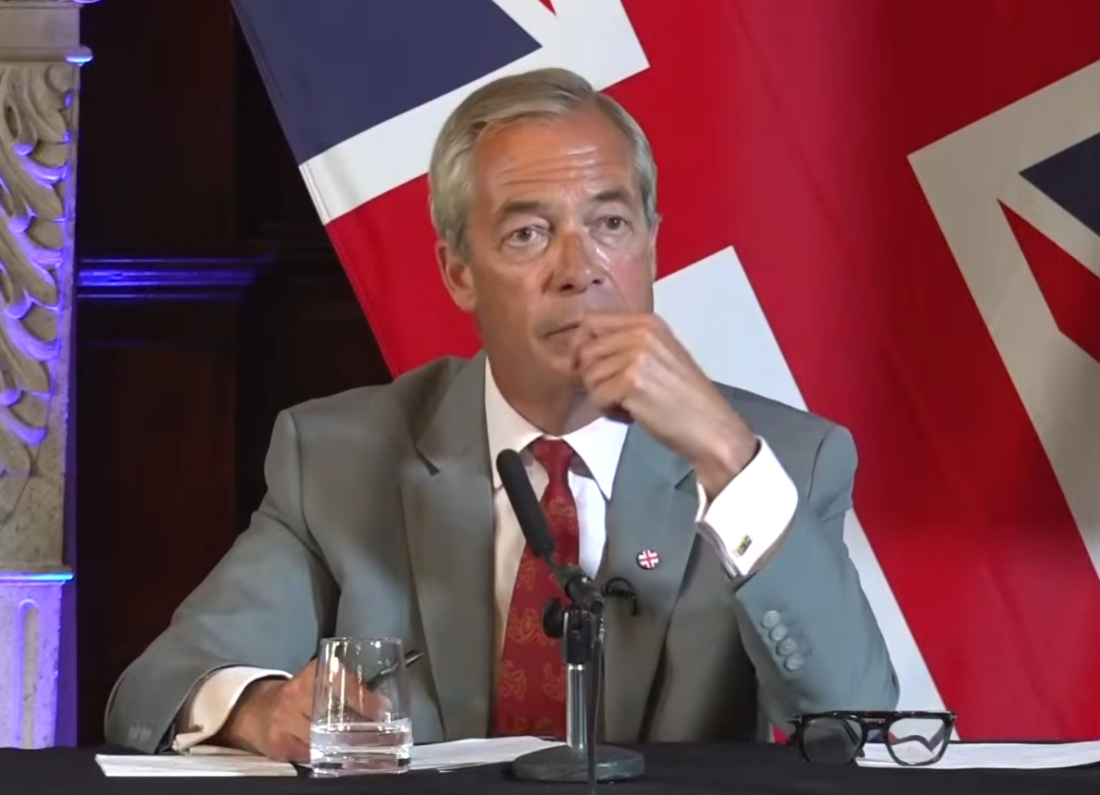
Nigel Farage, posting on X – Elon Musk’s platform, which would be covered by the ban – said: “Whilst the social media ban is well-intentioned, it’s unlikely to work given the mass adoption of VPNs. It will also mean the introduction of digital ID via the back door. The real answer here is handsets for children with limited features.”
The VPN objection is worth engaging with: it is true that children with sufficient motivation can circumvent age restrictions using virtual private networks. But as Starmer noted, children circumvent other rules – the enforcement mechanism is designed to make the platforms legally liable, not to create a police state for teenagers.
The leadership context
Beth Rigby of Sky News asked Starmer whether the announcement was about his legacy as Prime Minister given a possible imminent leadership challenge. He declined to accept the framing: “This is a huge issue for the country. This isn’t about any one individual. This is bigger than some of the usual to-and-fros of politics.”




Leave a Reply