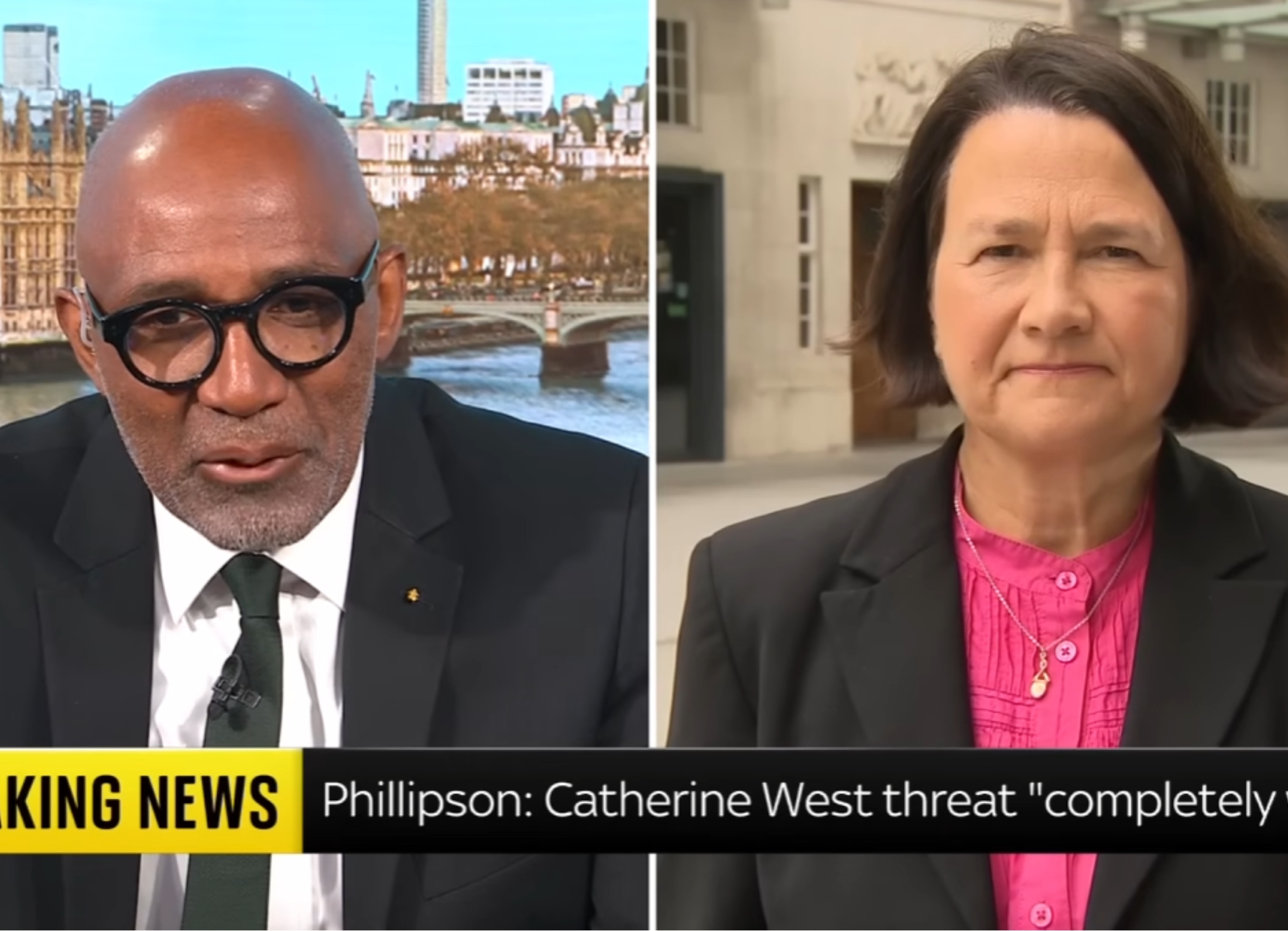
A former Labour government minister has issued a direct ultimatum to Keir Starmer’s cabinet: agree amongst yourselves on a new leader by Sunday, or she will begin collecting the 81 signatures needed to trigger a formal leadership election on Monday morning – in the most dramatic single intervention of a weekend that has seen the Labour Party’s post-election crisis accelerate by the hour.
Catherine West, the MP for Hornsey and Friern Barnet who was sacked as a Foreign Office minister by Starmer in a reshuffle last September, made the intervention in an interview with Radio 4’s PM programme on Saturday afternoon, hours after Starmer had appeared publicly to insist he was “not going to walk away.”
“This afternoon, I would like the cabinet to come around the table and elect a leader amongst themselves,” West said. “If that cannot happen, and there are no leadership hopefuls who come forward tomorrow, then Monday morning I will put my name forward to stand for the leader of the Labour Party. I will be seeking the 81 names that are needed to take to the party chair and I will begin a leadership election.”
Who Catherine West is
West has represented Hornsey and Friern Barnet since 2015, a north London seat she has held through three successive elections. She served as Parliamentary Private Secretary to Emily Thornberry before being appointed a junior Foreign Office minister under Starmer – a role from which she was removed in last September’s reshuffle. Her removal from government gives her a specific freedom to act that serving ministers do not have.
She is not a household name. She is not a leadership contender in the way that Streeting, Burnham or Rayner are. Her intervention is not primarily about putting herself forward as an alternative to Starmer – it is about using the rules to force a formal process that the parliamentary party has so far been unable to trigger through political pressure alone.
Under Labour’s rules, a leadership challenge requires 20% of the parliamentary Labour party – currently 81 MPs – to formally nominate a challenger. West has made clear she is prepared to be that challenger if no more prominent figure acts first, and that the purpose is to force the process rather than to win it herself.
The reaction within the party
The response from Labour MPs was immediate and divided. One Labour MP told HuffPost UK he was “almost certain” West would get the support she needs, calling her “a hero for doing this.”
A cabinet member, while unconvinced she would reach the threshold, acknowledged the pressure: “I don’t think she’ll get the numbers, but maybe she will. It all boils the pot.”
The most hostile response came from Home Office minister Mike Tapp, who did not address the substance of West’s argument but issued a warning about internal conflict: “When those within your own walls begin dismantling the gate, the enemy no longer needs a battering ram. Reform are loving it. Awful from Catherine West and she should know better.”
The counterargument – that Reform loved a Labour party that had just lost 1,446 council seats and was visibly drifting without direction – was left implicit.
What West’s ultimatum means in practice
The timeline West has set is deliberately tight. By demanding cabinet action on Saturday afternoon and setting Monday morning as her personal deadline, she is trying to force the decisions that have been postponed since election night into a 48-hour window.
The logic is straightforward. Starmer has announced he will deliver a “make-or-break” speech on Monday in which he plans to set out how he will reset his leadership. West’s intervention is designed to ensure that the question of whether Starmer delivers that speech as Prime Minister – or as a leader preparing to hand over – is resolved before Monday morning rather than after it.
As we reported in our full coverage of Starmer’s Saturday response and the Brown and Harman appointments, the Prime Minister’s position remains that he was elected for five years, he is staying, and he will demonstrate through action why he should continue. One MP’s reaction to the Brown and Harman jobs encapsulated backbench sentiment precisely: “Nothing says ‘I respect my parliamentary party’ quite like deciding the answer is to give jobs to politicians from 20 years ago.”
The numbers and who holds them
West’s ultimatum places the pressure squarely on the figures who actually have the numbers to act – primarily Wes Streeting, who has been reported to have more than 81 MPs ready to back a formal challenge, and Andy Burnham’s parliamentary allies, who have been working to build a coalition sufficient to trigger a challenge at the moment they judge the timing to be right.
As we detailed in our earlier coverage of the leadership crisis building before May 7, Streeting’s team had been urging him to move immediately after the local election results. Burnham’s operation is more advanced than publicly known but is constrained by the specific problem that the NEC has blocked him from securing a Westminster seat – without which he cannot formally enter a leadership contest.
The Compass think tank poll of Labour members, published Saturday, found Burnham as the preferred choice of 42% of members with a net favourability of 72% – numbers that would make him the overwhelming favourite in any contest he was permitted to enter. But as NEC members have told the Guardian, their position on blocking Burnham from seeking a parliamentary seat will not change unless Starmer himself changes his mind – which is described as “highly unlikely.”
The question West’s ultimatum poses is: who moves first, and does the prospect of a backbench MP with a lower public profile triggering the process concentrate minds in a way that weeks of political pressure have not?
The broader context
West’s intervention comes as Labour’s total losses from the local elections reached 1,446 council seats, with just two authorities still to declare at the time of her interview. The scale of the losses – and their geographic spread across what were Labour’s safest northern and midland heartlands – has created a pressure that previous mid-term setbacks have not.
As we covered in our full election night report, Labour lost Wigan – a hold since 1906 – and Tameside, with Reform taking 24 of 25 seats in Wigan alone. In Wales, Labour lost power for the first time since devolution. In Scotland, the SNP held comfortably. The Greens, as we reported in our Hackney mayoralty piece, won their first ever directly elected mayor and made breakthroughs across England.
More than 40 Labour MPs have now publicly called for Starmer to set a departure timetable or suggested he cannot take the party forward. West’s ultimatum represents the moment that pressure moves from political commentary to formal procedural action.
Monday will now define the week – and possibly the government.