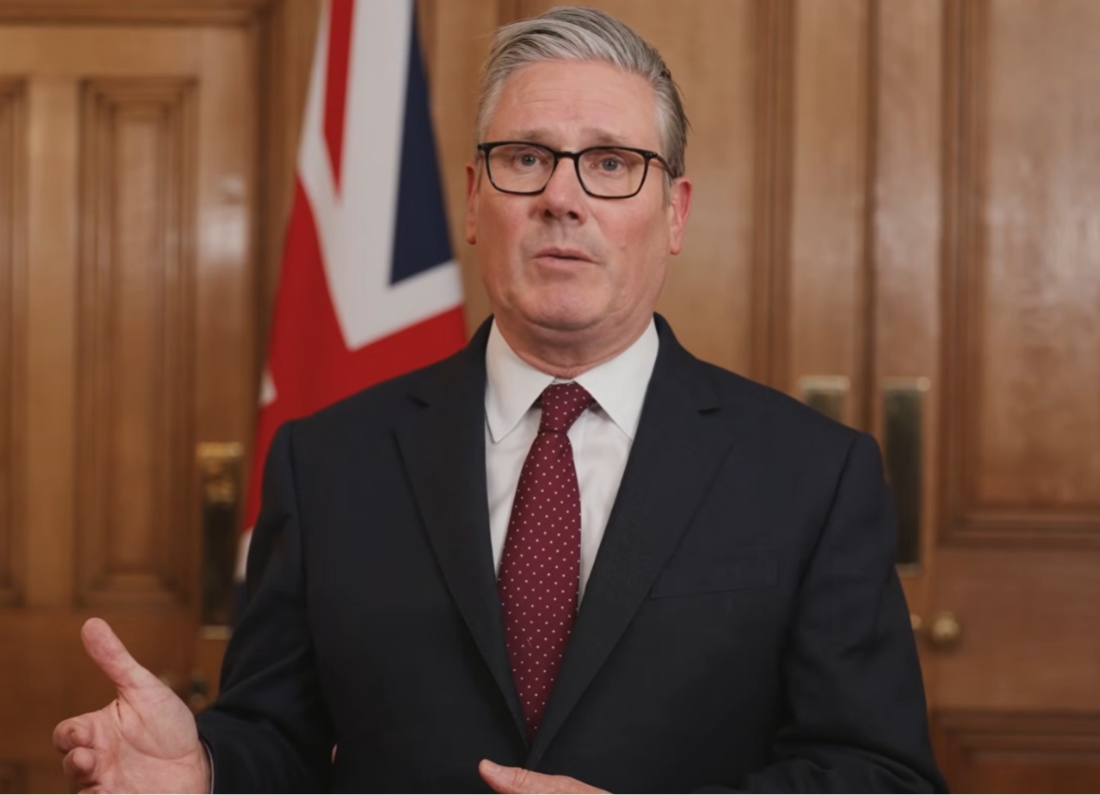
More than half of British voters believe there should be a general election if Keir Starmer is removed from office, according to a YouGov poll of 4,871 people – as a team of special advisers prepares to move into Downing Street specifically to protect the Prime Minister from a leadership challenge following tonight’s local election results.
The poll found 53% of respondents want the public to go back to the ballot box if the Prime Minister is ousted from Number 10, compared to just 27% who do not. The finding puts significant democratic pressure on any Labour MP planning to engineer a leadership change in the coming days – and will almost certainly be cited by Starmer’s allies as an argument for allowing him to remain.
What the poll found
The YouGov survey is the most significant polling evidence yet on how the British public would respond to a mid-term leadership change. The result – 53% in favour of a snap election, 27% against, 20% undecided – reflects a genuine public expectation that changing the person who governs the country without a fresh democratic mandate requires a return to the polls.
Notably, even Labour’s own 2024 voters are divided. Only 35% of those who voted Labour in the July 2024 general election said there should be a new election in the event of a leadership change, while 49% said there should not. This suggests Labour voters are more protective of the parliamentary mandate even when unhappy with its leadership – but the majority of the public as a whole takes the opposite view.
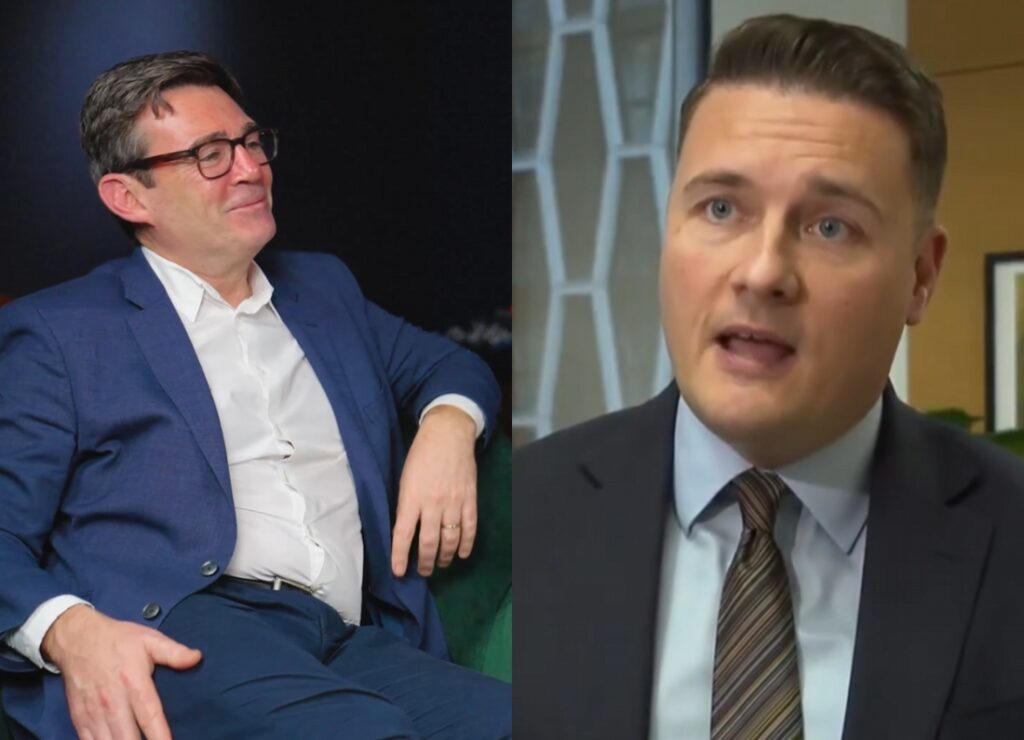
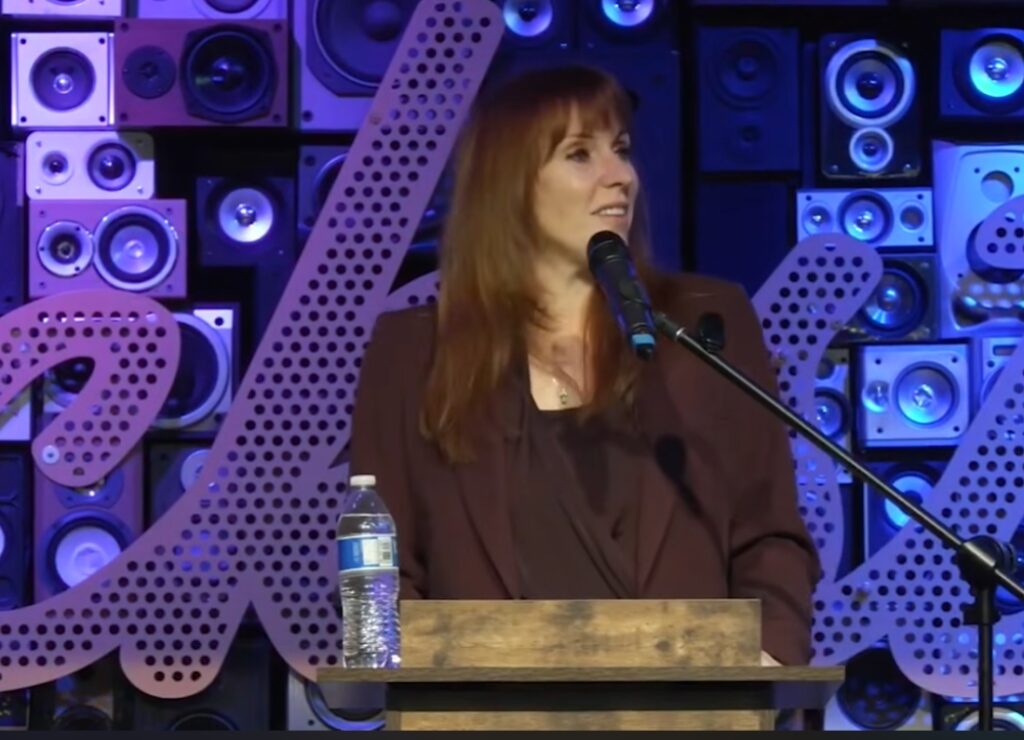
The poll’s significance is that it places any potential successor in an immediate bind. Whoever replaces Starmer – whether it is Wes Streeting, Andy Burnham or Angela Rayner – would begin their premiership with more than half the country believing they lack democratic legitimacy and should be subject to a fresh election. In a political environment where Reform is polling at 27% and an opposition leader who has never won a general election would be governing on a mandate given to their predecessor, that is a powerful argument for whoever is making the case for democratic accountability.
The Downing Street operation
The practical response from Starmer’s operation reveals the degree to which the Prime Minister and his allies treat the leadership threat as a genuine and imminent danger rather than a theoretical long-term risk.
A senior government source told HuffPost UK: “A team of spads are going in to No.10 on Friday to basically help protect the prime minister from any potential leadership challenges. The original plan was for them to be based in Labour HQ, rather than their departments, but the feeling now is it’s better to have them in Downing Street working for the PM.”
The decision to physically relocate special advisers to Downing Street on the morning after the local elections is an unusual one. Special advisers are allocated to departments to support ministers with policy development and political communications. Concentrating them in Number 10 on the day the results come in – with explicit instructions to protect the Prime Minister’s position – turns the government’s political resource into something closer to a leadership survival operation.
The move reflects a specific fear within Starmer’s inner circle: that a catastrophic set of local election results could trigger a coordinated letter from Labour MPs calling on Starmer to set out a timetable for his departure. Such a letter, if it attracted enough signatures to be credible, would be the first formal step toward either a voluntary resignation or a formal leadership challenge. The presence of loyalist spads in the building is designed to manage the information environment, coordinate the response to bad results and ensure that wavering MPs receive immediate contact before they commit to signing anything.
Who is ready to replace him
The YouGov poll arrives at a moment when three distinct operations within the Labour Party are preparing – to varying degrees of advancement – to succeed Starmer.
Wes Streeting, the Health Secretary, has secured the backing of more than 81 Labour MPs – the threshold required under Labour’s constitutional rules to trigger a formal leadership challenge. His supporters have been urging him to move as early as this Friday, positioning the timing to capitalise on the expected scale of the local election losses.
Andy Burnham’s operation is further advanced than it may appear publicly. His team has identified parliamentary seats in Greater Manchester and Merseyside where sitting MPs would step aside to trigger a byelection through which he could return to Westminster. A candidate to replace him as Greater Manchester mayor has been identified. A programme for government – including proportional representation, social care reform and a 10-year devolution plan – is ready to be announced during a byelection campaign.
Angela Rayner, the former Deputy Prime Minister, has not publicly declared her intentions. Her backers are said to have 80 MPs willing to support an immediate challenge. She is reported to be in conversation with both Burnham and Ed Miliband about the shape of any transition.
The ‘snap election’ pressure
The YouGov result adds a specific dimension to the leadership crisis that has not previously been quantified. A prime minister who was removed or resigned under pressure, and who chose to remain in government without calling an election, would face the following political environment: a Reform party at 27% with a large and motivated voter base, a Green Party with genuine momentum, a Conservative Party desperate for a chance to start fresh, and 53% of the general public believing the government lacks a legitimate mandate.
The constitutional position is clear: there is no legal requirement for a general election when a prime minister changes. The Fixed Term Parliaments Act, repealed in 2022, has been replaced by the Dissolution and Calling of Parliament Act, which restores the conventional royal prerogative to call an election. A new prime minister could, but would not be required to, call an election.
The political pressure, however, is now measurable. 53% of Britons – and a clear majority of everyone except Labour’s own 2024 voters – believe they should have a say. Any successor to Starmer who wants to govern without that say will have that figure cited against them every day until the 2029 election.
The local election results are coming in. The spads are in Number 10. The phones are being monitored. Whether Starmer is still Prime Minister by the weekend is a question that this poll will not answer – but it has changed the terms on which any answer will be judged.
You may also like: Local elections May 7 2026: how to vote, what’s at stake and who the polls say will win