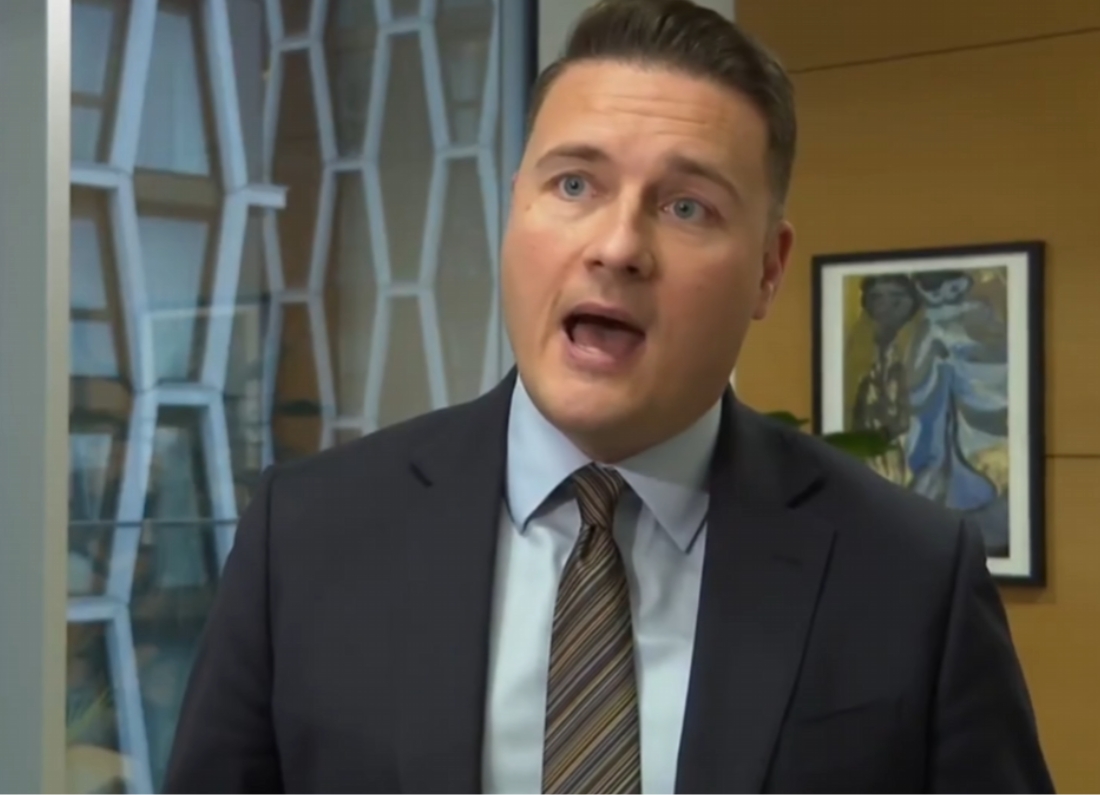
Thirty-one MPs from six different parties have signed a parliamentary motion opposing Health Secretary Wes Streeting‘s decision to award himself the power to dictate what the NHS pays for medicines – amid growing alarm that the move is illegal, undermines the independence of one of Britain’s most respected public health institutions, and has been driven by the demands of Donald Trump’s administration rather than by any assessment of what is good for patients.
The motion, tabled by former shadow chancellor John McDonnell, is a “prayer” – a parliamentary mechanism by which MPs can signal opposition to a statutory instrument, or secondary legislation, that the government has already decided to implement without a vote. MPs from Labour, the Green Party, the Liberal Democrats, the SNP, Plaid Cymru and independents have all backed it.
The statutory instrument in question gave Streeting the power to “direct Nice as to the applicable cost-effectiveness threshold to apply to a health technology undergoing appraisal” – in plain terms, the power to tell the National Institute for Health and Care Excellence how much the NHS should be willing to pay for individual medicines.
What NICE is – and why its independence matters
NICE was created in 1999 specifically to answer a question that politicians had proved unable to answer honestly: how much should the NHS pay for a new drug, and how do you decide whether the benefits justify the cost?
Its method – assessing cost per quality-adjusted life year, using thresholds set independently of ministerial pressure – has made it a global model for protecting public health budgets from the lobbying power of pharmaceutical companies. Because drug companies cannot simply argue their way to a higher price, and because ministers cannot intervene to approve a drug for political reasons, the system has been seen as one of the most effective safeguards against the kind of pricing practices that have made healthcare unaffordable in the United States.
The new statutory instrument removes that independence in a specific but critical way: it gives Streeting the power to set the threshold at which NICE judges a drug to be cost-effective. By raising the threshold, a minister could effectively require the NHS to pay more for medicines than NICE’s independent assessment would justify.
The US trade deal connection
The context for the change is the UK-US drug-pricing deal agreed as part of broader trade negotiations with the Trump administration. The deal spares UK drug exports to the US from tariffs – but comes with conditions that have alarmed health economists and parliamentarians alike.
The British Medical Journal’s editor-in-chief, Kamran Abbasi, was scathing in a recent editorial. “The UK taxpayer will end up harming vulnerable people to boost the profits of already obscenely profitable drug companies,” he wrote. “The UK’s Labour government is sacrificing the health and wellbeing of its population, and inevitably the most vulnerable in that population, to make trade deals that most benefit US companies and the US economy. This is sacrificing population health for corporate wealth, and it flies in the face of the government’s claim to be doing the best for the British people.”
Helen Morgan, the Liberal Democrat health spokesperson, said the change had been made at Trump’s behest rather than for any patient benefit. “This change to NICE rules is clearly coming at the behest of Trump, not because the government thinks it will help patients,” she said, adding that Streeting had been given the power to override NICE because Keir Starmer had caved in to “the bully in the White House.”
An unlikely opponent
The criticism has come from an unlikely direction as well as the expected one. Andrew Lansley – the Conservative former health secretary who created much of the NHS’s current institutional architecture through the Health and Social Care Act 2012 – has tabled a “motion of regret” in the House of Lords warning that the regulations risk undermining NICE’s independence and may be incompatible with his own legislation.
The 2012 Act includes an explicit provision that “a direction by the secretary of state must not relate to the substance of recommendations by Nice.” Lansley’s argument is that the new statutory instrument does exactly what his own law prohibits.
McDonnell framed the concern in political terms. “One of the express purposes of establishing NICE was to insulate the NHS from the powerful and well-resourced lobbying of the pharmaceutical industry,” he said. “The changes the government are making to NICE as a result of the US pharmaceutical deal undermine the independence of NICE, giving US big pharma the potential of immense influence over our drugs policies. This risks precious NHS resources being diverted away from life-saving practices and handed to drug companies instead, to the harm of patients.”
The financial implications
The Health Foundation thinktank has warned that higher NHS spending on medicines as a result of the deal will force it to make “difficult cuts” to other services that improve patient health more cheaply – in effect, spending more on expensive drugs while cutting cheaper interventions.
Economist Eric Yang put the dilemma starkly: “Given worsening funding pressures from higher demand and demographic changes, the NHS can ill afford to sacrifice resources for a higher drugs bill in the short term. Spending the NHS budget has always involved making difficult trade-offs, but the UK-US drug-pricing deal means trade-offs will now be even more difficult in the future.”
The former NICE chief executive Dr Samantha Roberts had already warned last year that the equation was zero-sum: “There are only so many taxpayer pounds. If you spend more money on medicines, it means something else is foregone. It could be hip replacement, it could be a nurse.”
The government’s defence
The Department of Health and Social Care denied that NICE’s independence would be compromised. “There is a revolution taking place in medical science, and the secretary of state is determined to secure the fruits of this revolution for many, not just those who can afford to pay,” a spokesperson said. “We have taken action to make it easier to bring innovative medicines to the NHS, meaning thousands of patients will gain improved access to life-changing treatments.”
The Association of the British Pharmaceutical Industry defended the change, insisting it did not give ministers the power to tell NICE what decisions to make. “It does, however, make it clear that the government is responsible for setting the parameters within which NICE operates,” a spokesperson said.
Critics are unlikely to find that reassurance convincing. Setting the parameters within which an independent body operates is, by most reasonable definitions, precisely the kind of political interference the body was designed to be protected from.
You may also like: Palantir hired 32 senior UK government officials including NHS and MoD AI chiefs, investigation finds