Farmers, lorry drivers and tradespeople are set to descend on Westminster on Monday morning in what is being billed as the first national fuel tax protest in two decades – as the Iran war’s closure of the Strait of Hormuz continues to push petrol, diesel and red diesel prices to levels that businesses, farmers and ordinary drivers say are becoming unsustainable.
The demonstration, organised by Reform UK, will begin at 9am on Whitehall and feature speeches from party members calling on Chancellor Rachel Reeves to cut fuel duty and reduce VAT on fuel – two levers the government has so far declined to pull despite mounting pressure from across industry and the public.
Why people are protesting
The underlying cause is straightforward. The closure of the Strait of Hormuz – the waterway through which roughly a fifth of the world’s liquefied natural gas and crude oil normally passes – has sent global energy prices surging since the Iran war began. Britain’s exposure to that price shock is acute and direct: fuel prices are set on international markets regardless of domestic supply, meaning British drivers and businesses bear the full force of global oil price spikes.
The tax dimension compounds the problem significantly. The Treasury levies approximately 50% in tax on every litre of fuel purchased in the UK. Fuel duty alone raises around £35 billion a year for the government. As prices rise, the government’s take rises with them automatically – without any parliamentary vote and without any of that additional revenue being returned to households or businesses struggling with higher costs.
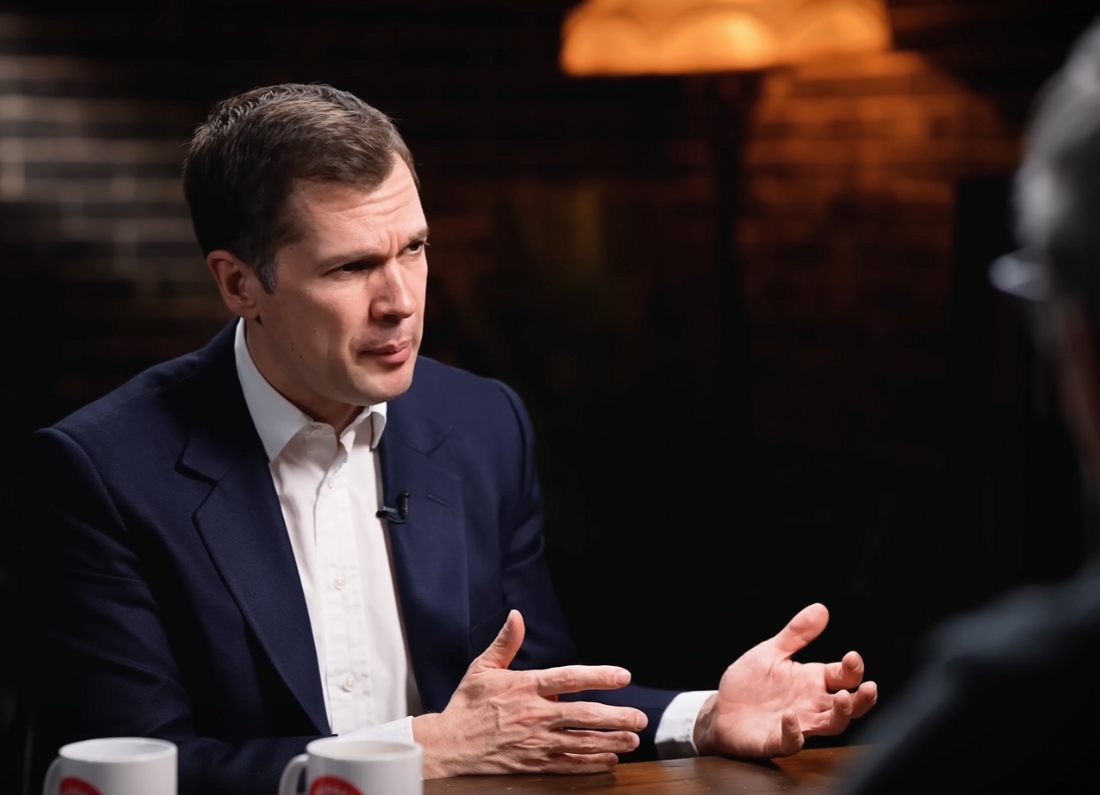
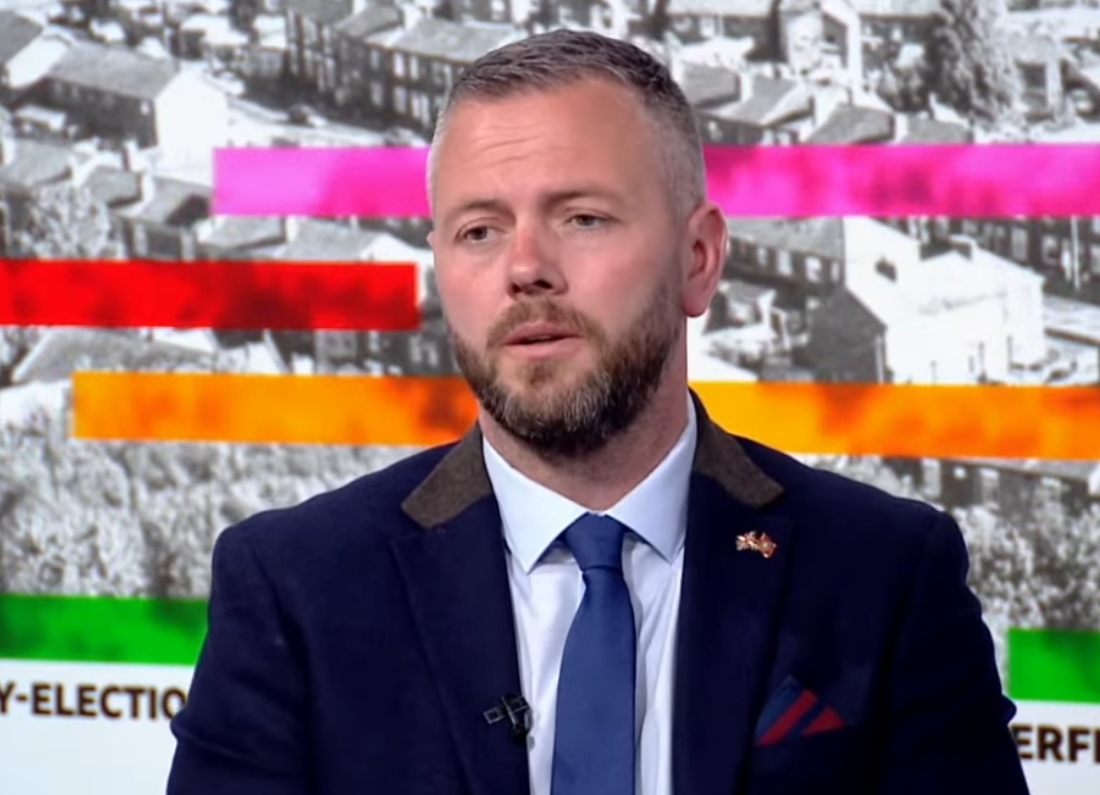
Robert Jenrick, Reform’s Treasury spokesman, has been blunt in his criticism. In a video promoting Monday’s protest, he said: “Millions of people are suffering as a result of the cost of petrol and diesel at the forecourts – care workers, cabbies, white van men – you name it. Yet the Chancellor Rachel Reeves and the Treasury is doing nothing. In fact, it’s even worse than that – she’s raking it in with all the taxes and yet she’s refusing to cut VAT and won’t even rule out an increase in fuel duty she’s got coming down the line.”
He called on drivers to join the protest to “send a powerful message” that “enough is enough.”
The real-world impact
The human cost of the fuel price spike is not abstract. Howard Cox, founder of FairFuelUK and a former Reform UK London mayoral candidate, has documented what is happening on the ground.
“We are finding that people are not going to hospital appointments simply because they can’t afford to get there,” Cox told the Times. “We are seeing white van men not going to chase up quotes because they can’t afford to get there. It could cost them 30 quid to go and give a quote when they might not get it.”
For the transport industry, where fuel is the second-highest operating cost, the impact has been severe. Passenger bus and coach operators have reported fuel bills rising by as much as 50%. Roland Eglinton, managing director of Chalkwell Coach Hire in Kent, runs a fleet of 55 diesel vehicles and warned that school runs and special needs transfer services could be cancelled if prices do not fall. “We have to look at whether routes are viable,” he said.
Farmers under particular pressure
For British farmers, the spike in red diesel prices – the lower-taxed agricultural fuel that powers tractors, combines and farm machinery – represents an existential threat to the viability of some farming operations.
The National Farmers Union described the situation as “critical,” warning that food prices would likely rise as higher fuel costs filter through the agricultural supply chain and into the supermarket.
Martin Williams, a Herefordshire livestock and arable farmer, put the numbers plainly. The increase in red diesel costs is adding £160 per tractor per day to his outgoings. “It’s horrible actually, it makes you consider if jobs are worth doing,” he said. “Recreational farming comes to the halt when the diesel price doubles.”
The timing is particularly painful. Farmers are in the middle of the spring planting season – one of the most fuel-intensive periods in the agricultural calendar. Costs that are unavoidable are rising at precisely the moment when they cannot be deferred.
The precedent – and what it means
Monday’s protest is the first of its kind in Britain for approximately 20 years. The last major fuel tax protests, in September 2000, saw lorry drivers blockade fuel depots across the country in response to rising petrol prices – coming within days of bringing Britain to a standstill before the then-Blair government negotiated an end to the dispute. Those protests are widely credited with permanently shifting the political conversation about fuel duty.
The comparison to Ireland is also instructive. Protests over fuel prices have already broken out across the Irish Republic, with tractors, lorries and other vehicles blocking traffic and petrol stations running out of fuel. The Irish army was deployed to manage the demonstrations – a scale of disruption that underlines how serious public anger about fuel costs has become across the British Isles.
Britain’s situation carries additional complexity. The final tankers carrying oil through the Strait of Hormuz before the conflict began arrived in Europe only last week. A full reopening is not expected for months as the US-Iran ceasefire remains fragile and the second round of peace talks in Islamabad has yet to produce an agreement.
The government’s position
The Treasury has so far resisted calls to cut fuel duty or reduce VAT on fuel, pointing to the £35 billion annual revenue stream that any reduction would put at risk and the difficulty of targeting tax cuts to those who need them most. Reeves has not ruled out a future increase in fuel duty, a silence that has fed the anger driving Monday’s protest.
The government’s argument – that the price spike is caused by external geopolitical events rather than domestic tax policy, and that cutting fuel taxes would primarily benefit those who drive the most rather than those struggling most – has failed to cut through with businesses and households facing bills that have risen sharply and show no sign of falling quickly.
Whether Monday’s protest produces a political response from Reeves, or simply marks the beginning of a sustained campaign, may depend on how many people turn up on Whitehall at 9am – and how much noise they make.
You may also like: Palantir hired 32 senior UK government officials including NHS and MoD AI chiefs, investigation finds