


Peter Mandelson failed his security vetting clearance before being appointed as the UK’s ambassador to the United States – but the Foreign Office overruled the decision in a remarkable 48-hour period, The Guardian can reveal. The disclosure raises serious questions about whether Prime Minister Keir Starmer misled parliament when he told MPs three times that “full due process” had been followed in Mandelson’s appointment.
The Guardian investigation found that Mandelson was initially denied clearance in late January 2025 after a developed vetting process – a highly confidential background check conducted by UK Security Vetting (UKSV), a division of the Cabinet Office that scrutinises prospective civil servants. A formal decision to deny him clearance was made by UKSV on 28 January 2025. Within 48 hours, the Foreign Office had overruled that recommendation and told Mandelson his clearance had been “confirmed.”
What the vetting process found – and what happened next
The developed vetting process is a requirement for even junior civil servants working in the Foreign Office. It includes a questionnaire and interviews requiring disclosure of highly private information about personal finances, business connections and sexual history. An outright denial – as in Mandelson’s case – is rare. It is even more exceptional for a government department to then overrule UKSV’s decision, although officials technically have that authority.
Starmer had already publicly announced he would be making Mandelson the UK’s chief diplomat in Washington – the first political appointee to the role since 1977 – posing an immediate dilemma for officials when the vetting result came back negative. The precise reason UKSV recommended that Mandelson not receive clearance has not been disclosed and is now likely to be subject to intense speculation.
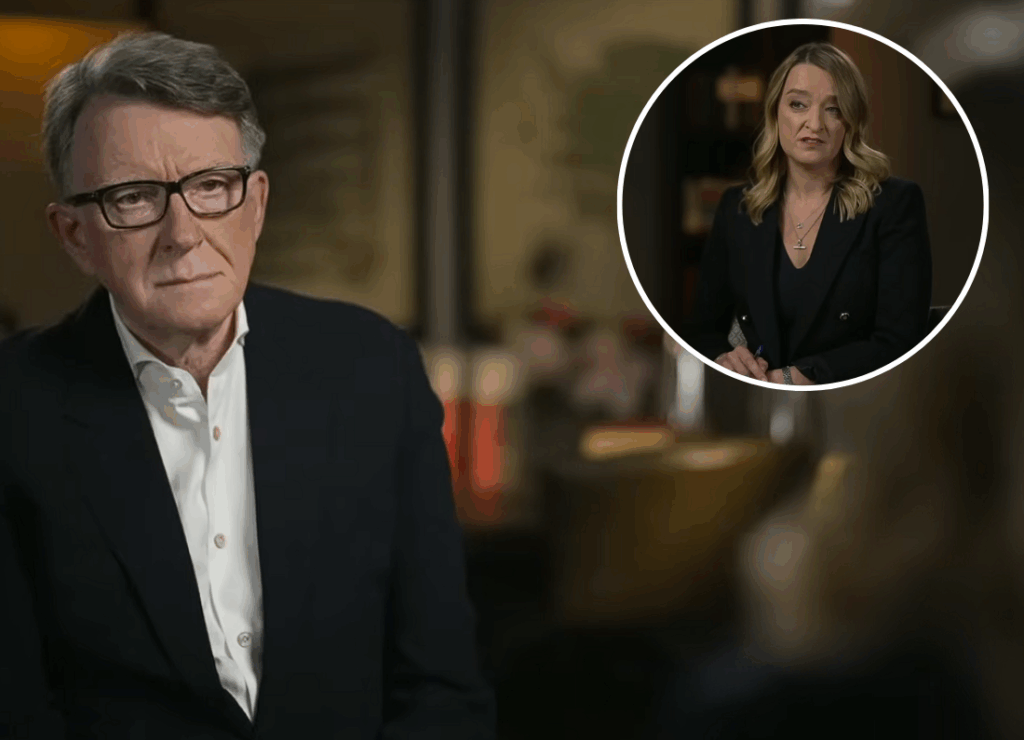
Sir Olly Robbins, the permanent secretary in the Foreign Office, had only been in the role a matter of weeks when the decision was made in late January 2025. As Mandelson’s soon-to-be line manager, he would almost certainly have been involved. A decision of that magnitude may also have warranted political approval or consultation, which could have involved Foreign Secretary David Lammy – who is now Deputy Prime Minister – or Downing Street.
It is not known whether Mandelson himself was ever informed that UKSV had not approved his application.
What Starmer told parliament
The revelation creates a significant problem for the Prime Minister over his public statements about the vetting process.
At a press conference in Hastings on 5 February 2025, Starmer responded to a journalist’s question by saying: “There was security vetting, carried out independently by the security services, which is an intensive exercise that gave him clearance for the role. You have to go through that before you take up the post.”
On its face, that statement was technically misleading. The security services – specifically UKSV – did not give Mandelson clearance. They recommended he be denied clearance. The Foreign Office overruled that recommendation and granted him clearance regardless. Whether Starmer knew this when he made his remarks is not known.
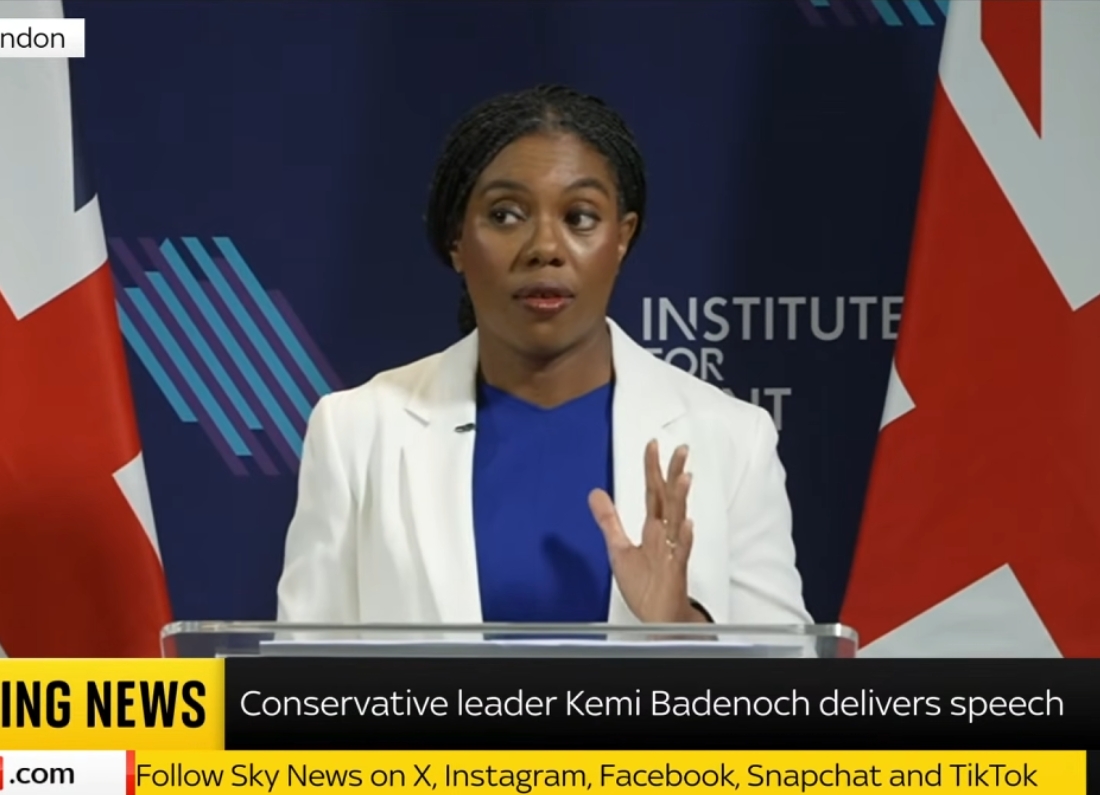
Kemi Badenoch, the Conservative leader, has accused the Prime Minister of misleading parliament. In a post on X, she wrote: “Last September, Keir Starmer told parliament three times that ‘full due process’ was followed over the appointment of Lord Mandelson. We now know the prime minister misled the House. The prime minister must take responsibility.”
What parliament was – and wasn’t – told
The parliamentary record shows that ministers were careful with their words, but not straightforwardly honest.
In September 2025, after Mandelson was sacked as ambassador following the emergence of further details about his relationship with convicted sex offender Jeffrey Epstein, Yvette Cooper – by then Foreign Secretary – and Olly Robbins wrote to the Foreign Affairs Select Committee about the vetting process. Their letter said: “Peter Mandelson’s security vetting was conducted to the usual standard set for developed vetting in line with established Cabinet Office policy” and that the process had “concluded with DV clearance being granted by the FCDO.”
Both statements were technically accurate. What their letter did not tell parliament was that UKSV had denied Mandelson’s clearance and that the FCDO had overruled the security services’ recommendation. That is the critical omission at the heart of the current controversy.
In November 2025, Robbins was questioned by MPs on the Foreign Affairs Select Committee about whether Mandelson’s vetting had been “escalated.” He replied: “I certainly cannot comment on that” – a response that will now attract new scrutiny.
The document withholding question
The Guardian’s investigation also reveals that senior government officials have been considering whether to withhold from parliament documents that would show Mandelson was not given vetting approval from security officials. The decision rests with the Cabinet Office and has not yet been taken.
However, any attempt to withhold such documents from the Intelligence and Security Committee could amount to a breach of a parliamentary motion that called for the release of “all papers relating to Mandelson’s appointment.” Parliament voted for that motion. If the government withholds relevant documents, it would represent a direct defiance of a parliamentary decision.
The timeline and those involved
The sequence of events that led to Mandelson’s appointment involves several key figures who are now likely to face further questioning.
Morgan McSweeney – Starmer’s then-chief of staff who resigned in February 2025 and said he took “full responsibility” for advising Starmer to appoint Mandelson – is likely to be pressed over whether he had any involvement in or knowledge of the decision to overrule UKSV. When he resigned, he said: “While I did not oversee the due diligence and vetting process, I believe that process must now be fundamentally overhauled.”
It is now known that there were in fact two separate vetting processes. The first – a due diligence process handled by the Cabinet Office’s propriety and ethics team – was based largely on publicly available material and produced a report for Starmer summarising Mandelson’s professional and financial relationships, reputational risks, and previous roles. That report included his relationship with Jeffrey Epstein. Starmer ignored those warnings and proceeded with the appointment.
The second process – the UKSV developed vetting – was the one that resulted in a formal denial of clearance that was then overruled.
The bigger picture
Mandelson’s appointment and the circumstances of his eventual sacking in September 2025 have already produced what many observers describe as the most serious crisis of Starmer’s premiership. The revelation that the security services recommended he not be appointed – and that this recommendation was overruled before he took up post – adds a further layer of gravity to a scandal that the government had hoped was drawing to a close.
Further documents are due to be released and are expected to raise additional questions. The Guardian says government officials have been considering withholding some of those documents – a decision that, if taken, would itself become a major political story.
The questions now facing the government are specific and serious: Who in the Foreign Office made the decision to overrule UKSV? Was Lammy or Downing Street consulted? Did Starmer know his stated rationale for the appointment – that it had passed independent security vetting – was inaccurate? And why, across 147 pages of documents already released and multiple parliamentary hearings, was none of this disclosed?


Leave a Reply