A YouGov poll has found that more than three quarters of British people believe it is unacceptable for MPs to drink alcohol before evening votes in parliament – with more than half describing it as “completely unacceptable” – delivering a emphatic public verdict on a row that Labour MPs and Nigel Farage had attempted to dismiss as trivial, clickbait or deliberate distraction.
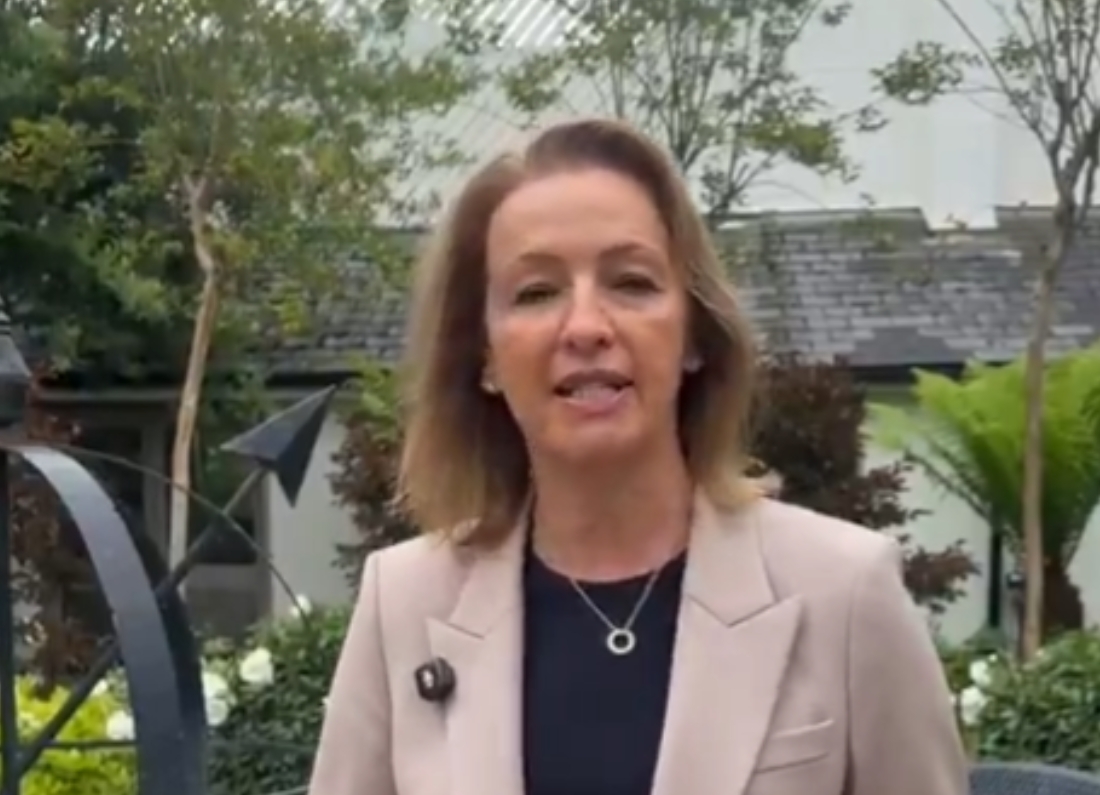
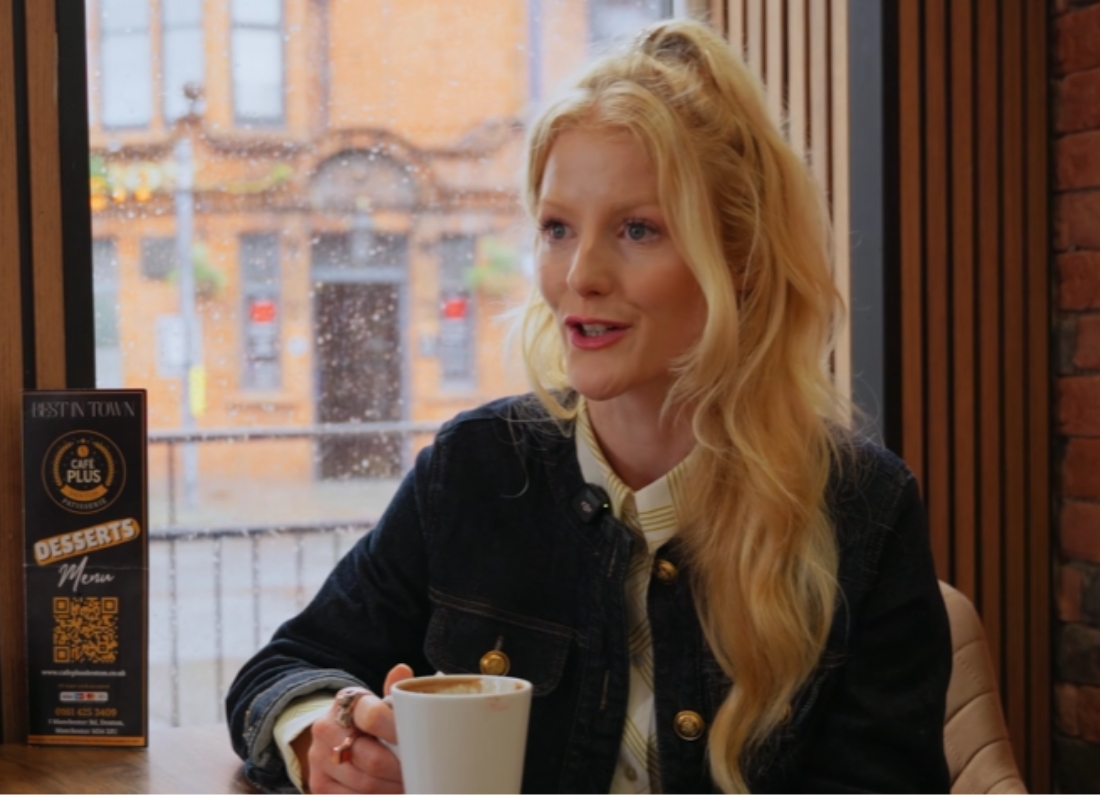
The polling comes days after Green MP Hannah Spencer sparked a fierce debate by telling PoliticsJOE that she was “really uneasy” about the drinking culture she had found at Westminster since arriving as the newly elected MP for Gorton and Denton. Spencer said she had walked past a room where colleagues were drinking between votes and could smell alcohol on MPs as they walked to the lobby. “I can’t imagine if a cleaner did that or someone working in a bank had a few drinks and then went back to work smelling of alcohol,” she said. “That just wouldn’t happen.”
According to the YouGov data, 52% of those surveyed said MPs drinking before votes was “completely unacceptable,” with a further 24% saying it was “somewhat unacceptable” – a combined total of 76% against the practice. Only a small minority considered it acceptable.
The numbers in context
76% is not a slim majority. It is not a contested, close-run finding. It represents an overwhelming consensus across age groups, political affiliations and demographics that the people who vote on laws governing workplace conduct, employment rights and public health should themselves be sober when they exercise that function.
The figure is particularly striking given that the row was framed by some as a partisan Green Party attack on parliamentary tradition. In reality, the YouGov data suggests Spencer’s view is held not just by Green voters or young progressives but by the vast majority of the British public regardless of how they vote.
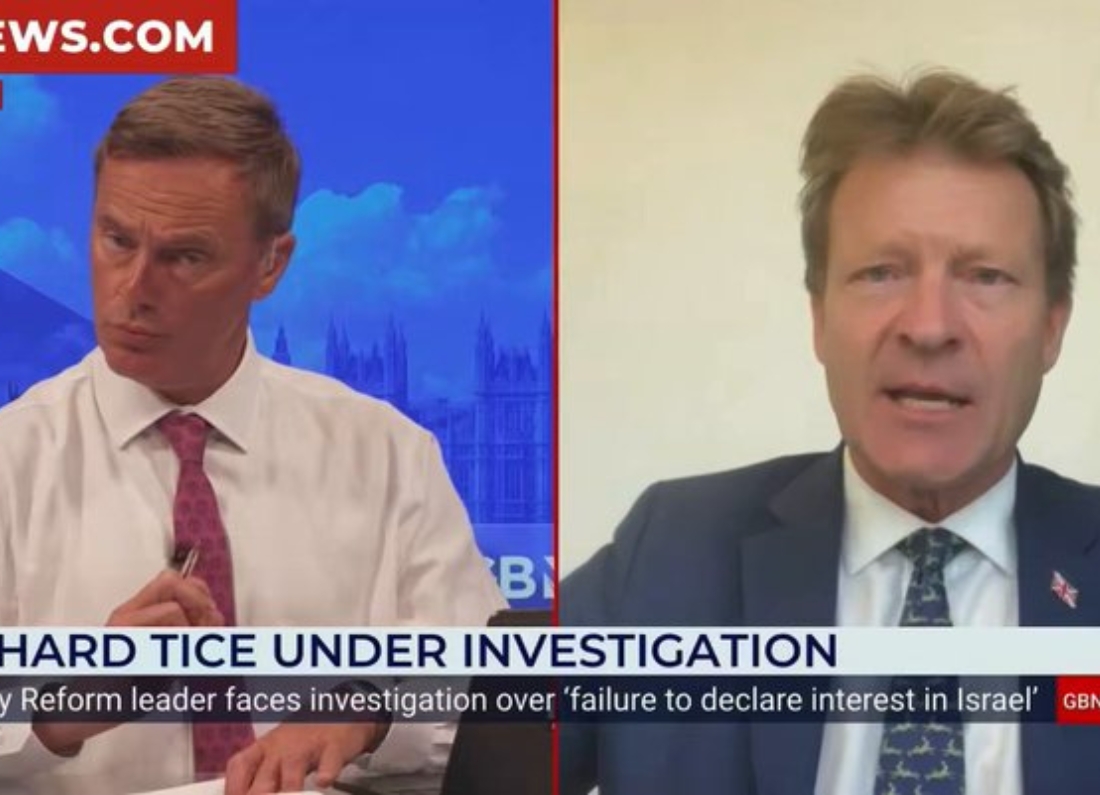
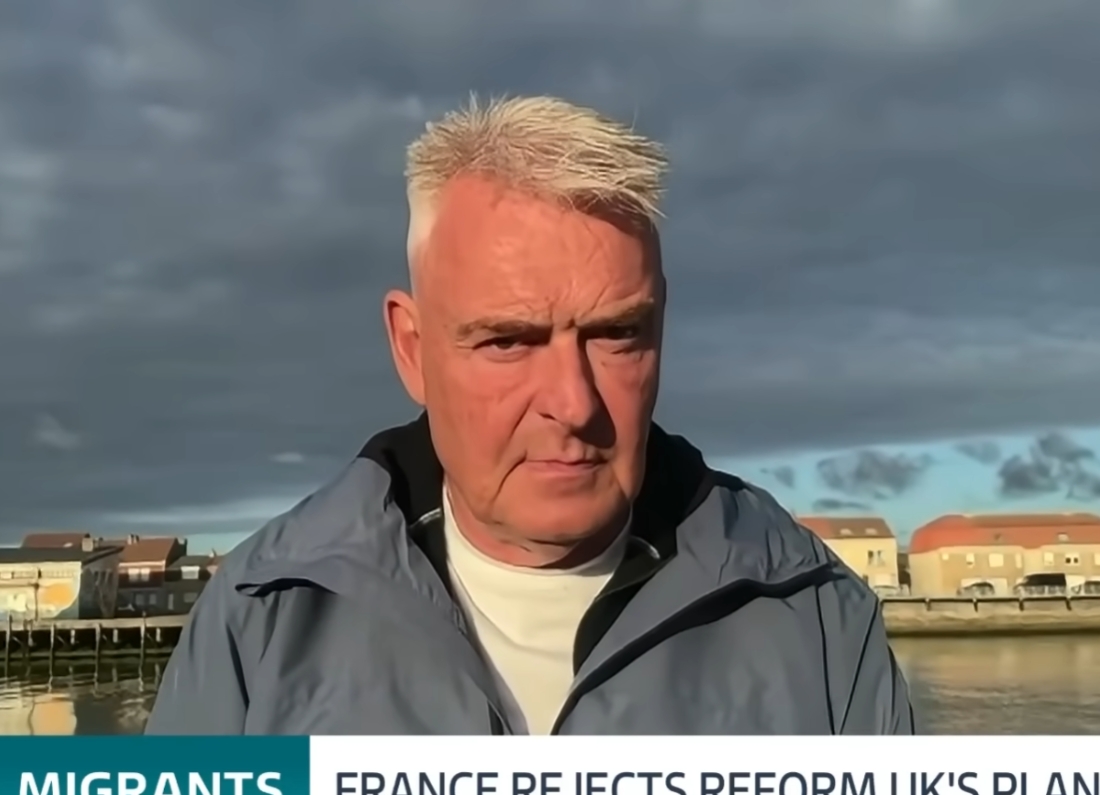
That places Labour MPs who rushed to defend the practice in an uncomfortable position. Luke Charters, the MP for York Outer, called Spencer’s comments “classic clickbait farming” and suggested she was trying to distract from “the Greens’ wacky policies.” Natalie Fleet, the Labour MP for Bolsover, said the smell of “fags and beer” made Westminster “seem a tiny bit normal.” Nigel Farage framed it as opposition to “an afternoon pint.”
According to the polling, three out of every four people in Britain disagrees with all of them.
What the public is being asked to fund
The public verdict is particularly pointed given what the polling public are actually paying for. Westminster’s bars cost taxpayers £7.4 million a year to subsidise. Strangers’ Bar – one of the most famous of the parliamentary drinking rooms – sells pints at £5.45, nearly £2 cheaper than the pub across the road, loses £56,000 a year despite paying zero rent, and operates inside the building where MPs vote on minimum wages, public health restrictions and workplace safety standards for every other citizen in the country.
A 2023 report by parliament’s own behaviour watchdog found that the drinking culture had “directly led to incidents of intimidating behaviour” and an unsafe environment for staff. Former Downing Street chief of staff Sue Gray previously called for the bars to be shut entirely. Northern Irish MP Sorcha Eastwood backed Spencer directly, pointing out that NHS workers, construction workers and factory workers – all of whom work long hours under significant pressure – face instant dismissal if they drink on shift. The same standard, she argued, should apply in the building that makes the rules for everyone else.
Why the Labour response backfired
The pattern of Labour MPs publicly defending the right to drink between votes has raised eyebrows far beyond the Green Party’s supporter base. The party is currently polling at 16% – below the Greens, below the Conservatives and eleven points behind Reform. Its councillors are projected to lose thousands of seats in Thursday’s local elections. And its MPs spent a significant portion of this week telling a former plumber from Manchester that her concerns about workplace alcohol were clickbait.
Green Party leader Zack Polanski was direct in his response when Farage attempted to reframe the debate around drug policy. “Of course Farage misrepresents what Hannah is saying,” Polanski said. “‘An afternoon pint’ is different to drinking on a work day and then going to vote on decisions for millions of people. I’d explain this to him but he’s been running away from a debate with me for months and months.”
Spencer herself has not backed down. Asked about the Labour response, she stood by her original point: that Westminster’s drinking culture is a symptom of an institution that has lost touch with the reality of ordinary working life.
What happens next
The YouGov poll makes it considerably harder for MPs who defended the practice to sustain that position publicly. The question now is whether the numbers translate into any actual change – a formal policy, a restriction on bar hours, a requirement that MPs be sober before voting, or at minimum an acknowledgement from the parliamentary authorities that the status quo is not defensible.
Parliament has absorbed this conversation before. Sue Gray raised it. The behaviour watchdog raised it. The 2023 report raised it. Each time, the institution shrugged and moved on. The difference this time may be that the issue has broken through into a genuine public debate, with a clear polling majority and a newly elected MP from a working-class background willing to keep making the argument.
The people who will decide whether anything changes are the same MPs the 76% just ruled against. Whether they are listening is, appropriately, a matter for the public to judge.
You may also like: ‘A knife through my soul’: nine bombshells from McSweeney’s Mandelson committee evidence