

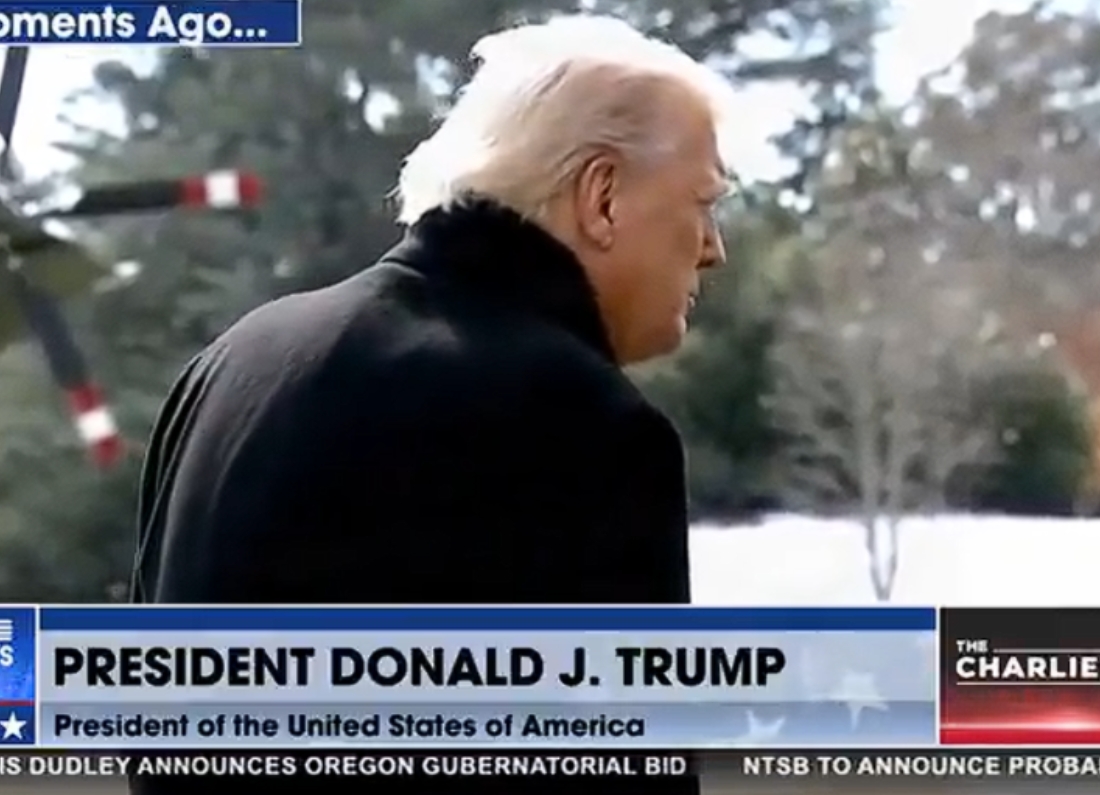
Donald Trump has sought to distance himself from claims made by senior figures in his administration that an immigration enforcement shooting victim in Minneapolis was a “would-be assassin”, as political pressure intensifies over the federal response to two fatal incidents in the city this month.
Alex Pretti, a 37-year-old intensive care nurse, was shot dead by federal immigration enforcement agents over the weekend, weeks after another fatal shooting during an operation in Minneapolis in which 37-year-old Renée Nicole Good was killed.
The Trump administration has faced a growing backlash from Pretti’s family, Democrats and some Republicans after adviser Stephen Miller and homeland security secretary Kristi Noem publicly framed the incident in extreme terms.
Trump rejects the “assassin” label but criticises gun possession
Asked on Tuesday whether he agreed with Miller’s description of Pretti as a “would-be assassin”, Trump replied: “No. Not as a – no,” before adding: “Listen, you can’t walk in with guns. You can’t do that, but it’s just a very unfortunate incident.”
Later, Trump again described the killing as “very unfortunate” but said Pretti “certainly… shouldn’t have been carrying a gun”. In a separate remark to reporters, the president said: “Look, bottom line, everybody in this room, we view that as a very unfortunate incident. Everyone, unless you’re a stupid person.”
Those comments have reopened a politically sensitive debate for Republicans. The Second Amendment to the US Constitution protects “the right of the people to keep and bear Arms”, and gun rights have long been a core issue for the party.
Local officials in Minnesota have said Pretti was carrying a handgun legally, and reporting in the US has noted that state law permits licensed gun owners to carry firearms in most places, even during protests, although rules vary by location and circumstance.
Related: Poll suggests some tourists are rethinking US travel after Trump and ICE backlash
“De-escalation” in Minneapolis, but no clear change in strategy
Trump said he wanted to “de-escalate” the situation in Minneapolis after discussions with the city’s Democratic mayor and the state governor, describing the talks as aimed at reducing tensions. In an interview, he characterised any shift as “not a pullback but a change”.
The language has been closely watched because Minneapolis has become a flashpoint for national arguments about immigration enforcement, civil liberties and the use of force by federal officers operating in cities run by Democrats.
Earlier this month, Minneapolis mayor Jacob Frey publicly attacked federal immigration authorities following Good’s death, rejecting federal claims about the incident and calling for agents to leave the city. That confrontation helped turn the shootings into a wider test of the administration’s approach, particularly after video emerged that critics said conflicted with official accounts.
The controversy is also spilling into Washington’s legislative agenda. In recent days, Democrats have pointed to the Minneapolis incidents as they harden opposition to additional homeland security funding without new constraints on enforcement powers, raising the risk of a partial government shutdown around the late-January funding deadline.
A separate incident involving Ilhan Omar adds to security concerns
The Minneapolis tensions have been compounded by an incident at a town hall in which a man lunged at Democratic representative Ilhan Omar and attempted to spray her with an unknown substance. Omar was not visibly injured and continued speaking afterwards, according to reporting.
Omar has been a frequent target of attacks from Trump and allies, and she has previously called for ICE to be abolished. The town hall incident has been cited by administration supporters as an example of political volatility, while critics argue it underscores why inflammatory rhetoric from officials can worsen an already tense environment.
Republicans break ranks over Kristi Noem
The debate has moved beyond partisan lines in recent days, with two Republican senators publicly calling for Kristi Noem to resign as homeland security secretary.
Asked on Capitol Hill whether he had confidence in Noem, Senator Thom Tillis of North Carolina said: “No, not at all. I think she should go,” adding that some of her actions reflected “amateurish assistant-manager-sort of thought processes”.
Alaska senator Lisa Murkowski also supported calls for Noem to step down, telling NBC News: “Yes, she should go,” in remarks cited by UK broadcasters and US reporting.
The calls are notable because cabinet resignation demands from sitting members of the president’s own party remain relatively rare, even in high-profile controversies. Reuters reported that House Democrats have also threatened impeachment steps against Noem, although that effort would face long odds in a Republican-controlled Congress.
What happens next: investigations and accountability questions
The legal and political stakes now turn on investigations into the shootings, the chain of command in Minneapolis and what federal agencies knew about video footage and eyewitness accounts in the hours after each death.
In recent coverage, US outlets have reported that early official descriptions of the Pretti incident were challenged by video and by questions about whether he had already been disarmed when shots were fired. The administration has not accepted wrongdoing, but Trump has adopted a more cautious tone than some of his top advisers, referring to the killing as “very sad” and “very unfortunate” while stopping short of endorsing the “assassin” narrative.
The wider policy debate is unlikely to fade quickly. For supporters of tougher enforcement, the Minneapolis events are framed as proof that agents face dangerous, fast-moving encounters and need political backing. For critics, the shootings are being used as evidence that accountability mechanisms are insufficient, oversight is too weak and the federal government has lost public trust in cities where immigration operations are concentrated.
For Trump, the immediate challenge is political as well as operational: he has to balance a hardline image on immigration with a public reaction that now includes dissent within Republican ranks. Whether the White House can de-escalate tensions in Minneapolis without appearing to retreat from its enforcement agenda may shape how the episode plays nationally in the weeks ahead.
You may also like: What is ICE? The US agency explained for UK readers




Leave a Reply