


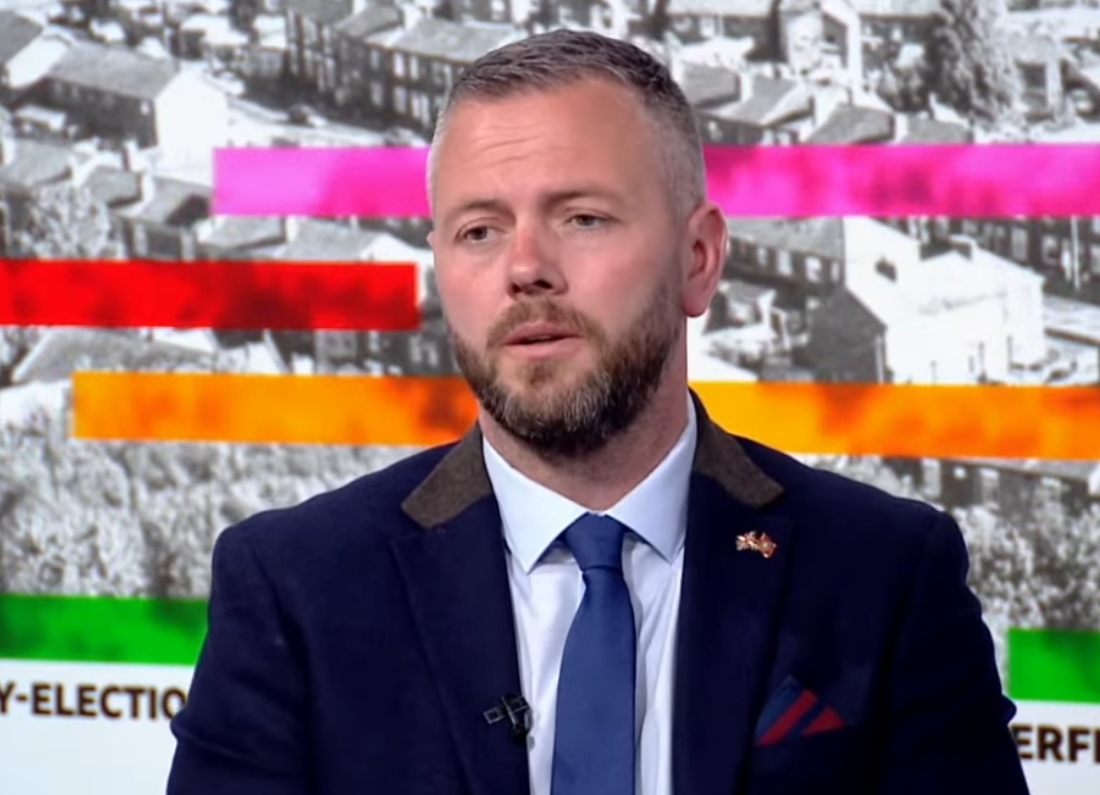
Lee Anderson has delivered a blunt verdict on Labour’s controversial asylum housing pilot, warning the Government to “just say no” as a fierce Commons clash exposed deep divisions over housing, migration and public trust.
The Reform UK MP for Ashfield used oral questions to challenge ministers over a £100 million Home Office-funded scheme that will allow councils to acquire and refurbish hundreds of properties to house people awaiting asylum decisions. Critics argue the policy risks pitting migrants against local families at a time when social housing waiting lists are at record levels.
Supporters insist the pilot is a pragmatic attempt to reduce spiralling hotel costs and expand housing supply in the long term. The exchange has rapidly become a flashpoint in the wider debate over Britain’s asylum system.
🏛️ Commons clash as Anderson challenges ministers
During Home Office questions, Mr Anderson pressed Border Security and Asylum Minister Dan Norris on whether the scheme would help “smash the gangs” responsible for Channel crossings. He accused Labour of prioritising migrants over British citizens amid what he described as a “crippling housing crisis”.
Mr Norris rejected the characterisation, urging the Reform MP to “spend less time reading newspapers and more time listening to what is said in this Chamber”. He pointed to an upcoming asylum policy statement, which ministers say will represent the most significant overhaul of the system “in a generation”.
The minister argued that reducing overall asylum numbers – rather than “three-word slogans” – was the key to ending the use of hotels and restoring control to the system.
🏠 What the asylum housing pilot actually involves
The pilot, announced earlier this year, allocates £100 million for councils to purchase or refurbish around 900 properties. Contrary to some claims, the majority are not new-build homes but existing or derelict properties that would otherwise remain unused.
Under the scheme:
- Homes are leased to the Government while occupants await asylum decisions
- Properties are expected to transition into the general social housing stock over time
- Councils retain long-term ownership of the assets
Five Labour-led councils – Brighton and Hove, Hackney, Peterborough, Thanet and Powys – have confirmed participation, while nearly 200 local authorities have expressed interest.
Ministers argue the approach will reduce reliance on costly private accommodation contracts, which currently house tens of thousands of asylum seekers.
💷 The cost of hotels – and why Labour says change is needed
According to Home Office figures, around 36,000 asylum seekers are currently housed in hotels and similar accommodation at an estimated cost of £145 per person per night. Contracts with private providers are projected to total more than £15 billion over the coming years if no alternative is found.
Labour leaders say the pilot could help bring down these costs while easing pressure on deprived areas that currently shoulder a disproportionate share of asylum accommodation.
Brighton and Hove council leader Bella Sankey described the plan as a “win-win”, arguing it cuts private profits while leaving councils with tangible assets that can later benefit local residents.
⚠️ Critics warn of fairness and public backlash
Opponents, led by Mr Anderson, argue the scheme risks undermining public confidence by appearing to prioritise migrants over those already waiting for housing. Official figures show around 1.33 million households are currently on social housing waiting lists in England – the highest number since 2014.
In a letter to Home Secretary Yvette Cooper, Mr Anderson said the policy amounted to “another kick in the teeth” for British families, calling instead for tougher measures including detention and deportation for those arriving illegally.
Reform UK’s criticism has resonated online, with party messaging around “saying no” to council housing for asylum seekers gaining rapid traction on social media.
⚖️ Legal status and competing narratives
Supporters of the pilot stress that asylum seekers are not the same as “illegal migrants”, noting that individuals awaiting decisions are legally present in the UK until claims are resolved. They also point out that participants are not eligible for permanent social housing or mainstream benefits in the same way as settled residents.
Others warn that poor communication risks inflaming tensions, particularly in communities already under strain. Some local leaders have expressed concern that the scheme could reignite unrest if it is perceived as unfair or imposed without consultation.
🔮 A policy test with wider consequences
With Labour committed to ending the use of asylum hotels by 2029, the pilot is shaping up as an early test of its migration strategy. Ministers insist faster processing, fairer distribution and long-term cost savings are achievable.
For critics, however, the scheme symbolises a broader failure to address housing shortages at their root – and Mr Anderson’s three-word verdict captures a mood that could define the political battle ahead.
As Britain heads toward a volatile election cycle, the intersection of migration and housing looks set to remain one of the most combustible issues in national politics.










Leave a Reply